
Portable Ice Makers for RV and Van Life Setups
How a small portable ice maker rides along on a road trip, from securing it while driving to power draw and refills that fit a limited RV water tank.
Key takeaways
- A portable ice maker makes ice on demand at camp, which a cooler cannot do once its bag melts.
- Always empty the water tank and ice bin and store the machine low and padded before driving.
- Size your inverter for the compressor startup surge, not just the 100 to 120 watt running draw.
- The small 2 liter tank is a plus in an RV because it sips from a limited fresh water supply.
- Expect soft bullet ice that chills drinks fast but melts quickly in a cooler.
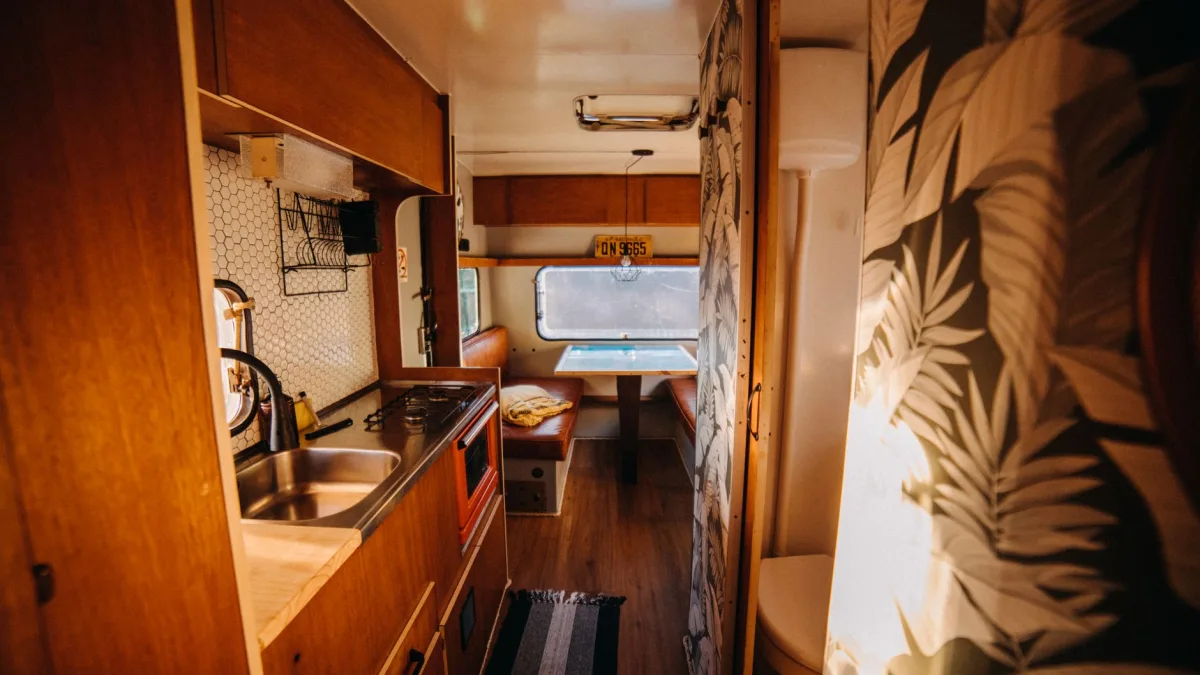
Last summer my partner Dana and I took a two week loop through Utah in a 24 foot travel trailer, and the thing that surprised us most was ice. Not the scenery, not the fuel bills. Ice. By day three, driving from one dry campground to the next in ninety degree heat, we were rationing a bag we had bought at a gas station and cursing the little foam cooler for turning it to soup by lunch.
So we did what plenty of van and RV folks do. We bought an rv portable ice maker, a basic Newair bullet unit, and figured out how to live with it on the move. It changed the trip more than I expected, and it also taught us a few hard lessons about counter space, power, and water that nobody mentions in the product photos.
Here is exactly how it went, machine and all, so you can decide if one belongs in your rig.
Why we reached for a portable unit instead of a cooler
A cooler holds ice. It does not make ice. That distinction matters more than it sounds when you are three days from the nearest store.
Once the gas station bag melted, we had nothing, and the next town with a market was forty minutes off our route. A countertop machine flips that math. Give it water and power, and it prints a fresh pound of ice every hour or so, no store run required.
We looked at both the Newair and an Igloo ICEB26 before we bought. Both are compact bullet-ice makers in the same class, drawing around 100 to 120 watts while freezing and running maybe 33 pounds a day on paper. If you want the full explainer on the mechanism, I laid it out in my primer on how countertop ice makers work and who they suit. For the trailer, we went with the Newair mostly because its footprint was an inch narrower.
Finding counter space in a trailer that has none
RV counters are a joke, and I say that with love. Ours was maybe eighteen inches of usable laminate next to the sink, and it already held the coffee setup.
A typical portable ice maker takes up roughly a 9 by 12 inch rectangle and stands about a foot tall. That does not sound like much until you remember you also need clearance above it to lift the lid and scoop, plus a few inches behind for the vent to breathe. Block that vent against a backsplash and the machine runs hot and slow.
We ended up storing the Newair in a cabinet while driving and only setting it on the counter at camp. If you want to compare actual dimensions before you buy, my rundown on countertop ice maker footprint and weight compared lists the real measurements for the popular models.
Measure your counter with the machine’s lid open, not closed. Several of these units, including the Igloo, hinge the lid straight up and need six to eight inches of headroom you might not have under an overhead cabinet.

Securing it while the rig is moving
This is the part I got wrong first, and it cost us. On day one I left the ice maker sitting on the counter for a short drive, thinking twenty minutes was harmless. We hit a cattle guard, the machine slid, and a corner of the housing cracked against the sink lip.
A portable ice maker weighs only 18 to 22 pounds, which is light enough to become a projectile on a rough forest road. It has no tie-down points, a smooth plastic base, and a top-heavy shape. Nothing about it wants to stay put.
After that we treated it like any other loose gear. Into a cabinet or the shower stall for every drive, wedged with a towel so it could not tip.
- Empty the water tank fully before driving so nothing sloshes or leaks
- Empty the ice bin too, since melt will find the seams and drip
- Store it low and boxed in, not on an open counter
- Pad it with a towel or foam so vibration does not crack the housing
Never leave water in the reservoir during travel. Beyond the leak risk, water trapped in the pump and lines can slosh into places it should not sit, and cold weather can freeze it solid and split a fitting.
The power question, and why it tripped our inverter
Here is where boondockers need to pay attention. A portable ice maker is not a huge load, but it is a spiky one.
While it is actively freezing, ours pulled about 110 watts, which is nothing. The catch is the compressor startup surge. For a fraction of a second when the compressor kicks on, the draw jumps two or three times higher, and a small pure sine inverter can stumble on that spike. Our cheap 400 watt modified sine inverter actually clicked off the first time the compressor cycled.
We swapped to a 1000 watt pure sine inverter and the problem vanished. If you are running one of these off your house batteries, size the inverter for the surge, not the running watts. If you are fully off grid, I go deeper into the actual numbers and inverter sizing in my breakdown of portable ice maker power draw and running watts.
| State | Rough draw | What it means for you |
|---|---|---|
| Freezing cycle | ~100-120 W | Steady, easy load on any decent inverter |
| Compressor startup | ~250-350 W spike | Brief surge that trips undersized inverters |
| Idle, holding ice | ~5-10 W | Negligible once the bin is full |
On our modest battery bank, running the machine for two hours in the evening cost us maybe 30 to 40 amp hours at 12 volts. That is real but manageable if you have solar topping you back up by day. If you want to size a system properly, the Department of Energy’s guidance on home energy use and appliance loads is a sensible starting point for the concepts.
Water, the resource RVers actually ration
In a house, the tank on these machines feels tiny. In an RV, that same small tank is a feature, not a flaw.
Our Newair held about 2 liters, roughly 68 ounces, and turned that into close to a pound of ice per fill. Because the reservoir is small, it sips from your fresh water tank instead of gulping. The machine also recirculates its own meltwater, so ice that melts in the bin drips back down and gets refrozen rather than wasted, which stretches a fill further than the raw math suggests. If refill timing is your worry, I cover the real rhythm in my notes on countertop ice maker tank capacity and refills.
In a fixed kitchen a 2 liter tank feels stingy. In a trailer with a 30 gallon fresh tank, sipping small is exactly what you want.
We used bottled or filtered water on the road, both for taste and to keep mineral scale down. That first-batch off taste is common, and if yours does it, my piece on why your first portable ice maker batch tastes off walks through the fix. On the safety side, the CDC has plain guidance on keeping drinking water clean, which is worth a glance when your source is a campground spigot of unknown quality.
What a normal camp day looked like
By the end of the trip we had a routine that just worked, and it was simple.
We would pull into camp, level the trailer, and set the Newair on the counter. Fill it with bottled water, flip it on, and by the time the awning was out we had the first small batch. It ran quietly enough that it never bothered us at the picnic table a few feet away.
One pound an hour is plenty for two people. We iced drinks, packed the cooler for day hikes, and still had spare. Before bed the tank came out, the bin got emptied, and everything went back in the cabinet ready for the morning drive.
These machines make soft, hollow bullet ice, not the dense cubes a fridge dispenser drops. It is great for drinks and chills fast, but it melts quicker in a cooler. Do not count on it for long-term cooler duty.
Would I do it again
Yes, without much hesitation, though with clearer eyes than when we started. A portable ice maker earns its place in an RV once you accept its terms. It needs a stable spot at camp, a home in a cabinet for the road, an inverter that can handle the startup surge, and a habit of emptying the water before you drive.
Get those four things right and the payoff is a steady supply of fresh ice in the middle of nowhere, which on a hot desert loop is worth more than it should be. The couple who bought a bag at a gas station on day three would have paid double for that. The couple who finished the trip just kept the machine, and it still rides in the trailer every summer.
Frequently asked questions
It is not a good idea. The machine has no tie-down points and a top-heavy plastic body, so it can slide or tip on rough roads. Water in the tank can also slosh and leak into the pump. Store it empty in a cabinet while moving and only run it at camp.
Plan around the compressor startup surge, not the running watts. The machine draws about 100 to 120 watts while freezing, but the compressor can spike to 250 to 350 watts for a moment when it cycles on. A 1000 watt pure sine inverter handles that comfortably, while small modified sine units often trip.
Less than you would think. The tank holds around 2 liters, roughly 68 ounces, and the machine recirculates its own meltwater instead of draining. One fill becomes close to a pound of ice, so it sips gently from your fresh water tank rather than gulping.
Running one for about two hours in the evening pulled roughly 30 to 40 amp hours from our 12 volt bank. That is real but manageable if you have solar recharging you during the day. Once the bin is full and the machine idles, the draw drops to almost nothing.
Not for long. These units make soft, hollow bullet ice that chills drinks fast but melts quicker than dense cube or block ice. It is excellent for glasses and short cooler stints, but for multi day cooler duty you still want store bought block ice.
Set it on a stable counter near the sink at camp with a few inches of clearance behind the vent and headroom to open the lid. For driving, move it into a low cabinet or the shower stall and pad it with a towel so vibration cannot crack the housing.

About the Author
Madhu Malhotra
Madhu Malhotra reviews nugget ice makers, countertop units, and portable freezers with a focus on real world durability. Over more than ten years of testing home ice machines she has learned which build details actually hold up, how to keep water lines clean without harsh chemicals, and what the marketing brochures quietly leave out. Her write ups aim to save readers a return trip and a wasted weekend.
Related guides

Countertop Ice Maker for a Small Office Break Room
Sizing a plumbing free bullet maker for a ten person break room, from daily output to who refills the tank.
Portable Ice Maker for a Boat Galley or Dock
A weekend running a countertop unit in a cabin galley taught me what actually matters for ice afloat, from power to motion to refills.

Portable Ice Maker Dual Ice Sizes, Small vs Large
The small and large buttons on a portable ice maker change more than cube size, and here is which one actually fits your glass or your cooler.