
Nugget Ice Maker Daily Run Cost Explained
A nugget machine sips power like a lightbulb, not a fridge. Here is the real kilowatt-hour math and a dollar figure you can trust.
Key takeaways
- Most nugget makers draw 100 to 150 watts while actively making ice, similar to a couple of lightbulbs.
- Typical daily use lands around 1.2 kWh, or roughly 12 to 20 cents a day at average rates.
- Expect a monthly bump of about 4 to 6 dollars and under 80 dollars a year for most homes.
- Warm rooms, poor ventilation, and constant bin emptying push the cost toward the heavy-use range.
- Water cost is negligible, but hard water scale can slowly hurt efficiency.
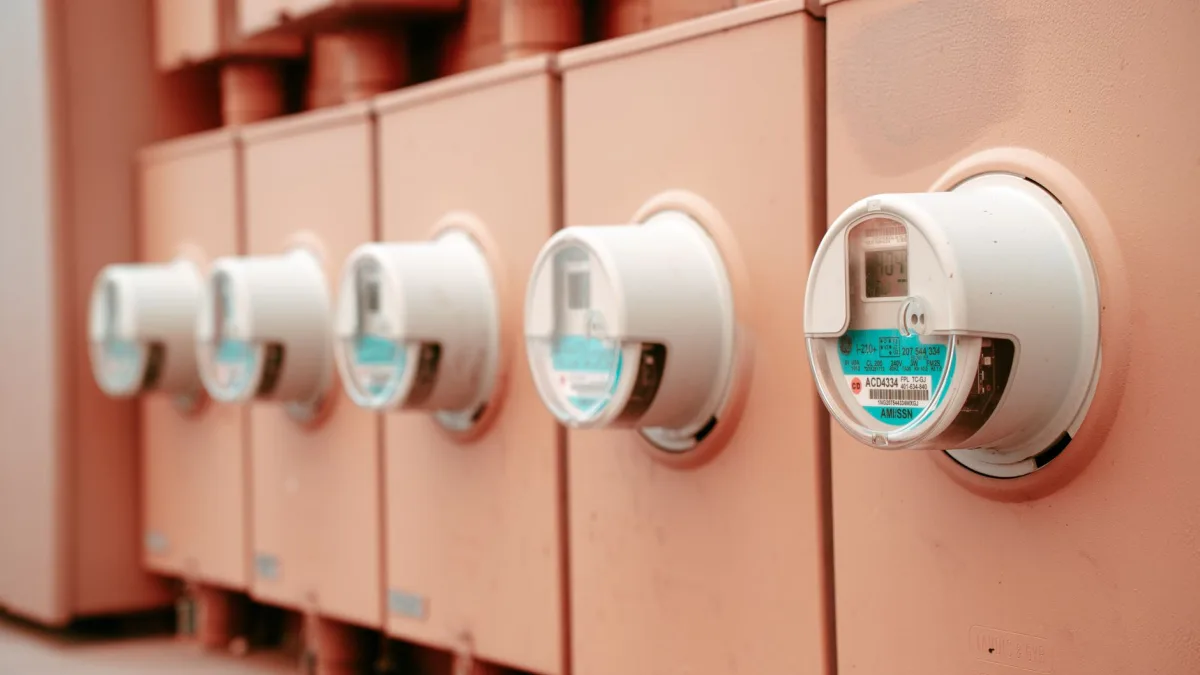
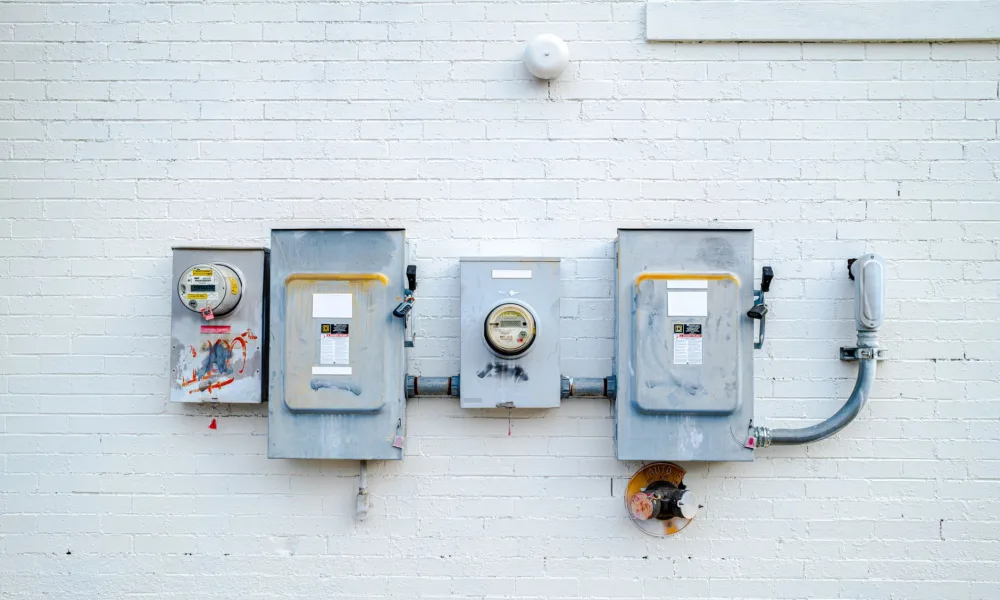
The first time I left a GE Profile Opal running around the clock, I braced for a scary electric bill. I even jotted the meter reading on a sticky note so I could catch the machine red-handed. A month later, the damage was so small I had to double-check my math.
That is the thing about the nugget ice maker run cost question: people assume a machine that hums all day must gulp power like a second refrigerator. It does not. A countertop pebble-ice maker draws roughly the same as a couple of old-school lightbulbs while it is actively making ice, and far less the rest of the time.
Let me walk you through the actual numbers so you can stop guessing and start pouring.
What a nugget machine actually pulls from the wall
Most countertop nugget makers land between 100 and 150 watts while they are running a cycle. The GE Profile Opal 2.0 sits around 100-120 watts. The Frigidaire EFIC237 and typical Newair, Silonn, and Euhomy units live in the same 100-140 watt neighborhood.
For comparison, a full-size kitchen refrigerator averages 100-200 watts but cycles on and off all day. A microwave pulls 900-1200 watts, and a hair dryer can hit 1800. So a nugget maker at 120 watts is genuinely a small appliance, closer to a laptop charger doing heavy work than to anything dramatic.
Watts on the spec sheet usually list peak draw. In real use, the machine idles between batches once the bin is full, so your average pull over a day is often lower than the rated number.
One detail people miss: the compressor and the auger motor are what eat power, not the electronics. When the bin fills up and the sensor stops production, the machine mostly rests. That is why an empty-bin startup costs more per hour than a machine coasting through a full afternoon.
Turning watts into kilowatt-hours per day
Electricity gets billed in kilowatt-hours (kWh). One kWh equals 1000 watts running for one hour. To get from watts to daily cost, you need three numbers: the wattage, the hours it actually runs, and your local price per kWh.
Here is the honest part. A nugget maker rarely runs a true 24 hours. Once the bin is full, it idles. A realistic figure for a machine kept full and busy is 8-14 hours of active production per day, with the rest spent idling at a trickle. I will show you both a heavy-use and a light-use scenario.
| Scenario | Active watts | Hours running/day | kWh/day |
|---|---|---|---|
| Light use (bin fills fast, family of two) | 120 | 6 | 0.72 |
| Typical use (steady drinks all day) | 120 | 10 | 1.20 |
| Heavy use (party, near-constant refills) | 140 | 16 | 2.24 |
The math is simple: watts times hours divided by 1000. So 120 watts times 10 hours is 1200 watt-hours, which is 1.2 kWh. Hold onto that 1.2 kWh figure, because it is a fair everyday estimate for most homes. How often the machine runs ties directly to how much nugget ice a maker produces per day and how fast your household drains the bin.
The dollar estimate for running an Opal-class maker
The U.S. average residential electricity price hovers around 16-17 cents per kWh, though it swings from about 11 cents in some states to over 30 cents in California and Hawaii. I will use 17 cents to keep it grounded, then show you how to adjust.
| Use level | kWh/day | Cost/day (17¢) | Cost/month | Cost/year |
|---|---|---|---|---|
| Light | 0.72 | $0.12 | $3.67 | $44.68 |
| Typical | 1.20 | $0.20 | $6.12 | $74.46 |
| Heavy | 2.24 | $0.38 | $11.42 | $138.99 |
So for most people, keeping pebble ice on tap costs somewhere between 12 and 20 cents a day. That is a monthly bump of about 4 to 6 dollars for typical use. Over a year, most households land under 80 dollars.
A daily nugget habit costs less than a single fancy coffee per month. That surprised me more than anything else I measured.
To find your own number, multiply your kWh/day by your local rate. If you pay 30 cents per kWh and run typical use, that 1.2 kWh becomes 36 cents a day, roughly 11 dollars a month. Still not a budget wrecker, but worth knowing before you commit to leaving it on nonstop.
Why your bill might run higher than the estimate
A few things quietly push the cost up, and they usually come down to how hard the machine has to work.
- Warm rooms. A maker in a hot garage or a sunny kitchen runs its compressor longer to freeze water, so it draws power more of the day.
- Constant bin emptying. If you scoop ice out every hour, the machine never gets to idle and runs closer to that heavy-use column.
- Poor ventilation. Crammed into a cabinet with no breathing room, the compressor works overtime. Clearance matters more than people expect, which is why I always check the clearance and ventilation needs before picking a spot.
- Old or dirty machines. Scale buildup makes the system less efficient. A clean unit that runs its self-clean cycle on schedule sips less than a gunked-up one.
The most common mistake I see: people place the maker inches from a wall or inside a closed cabinet, then wonder why it never stops running. Give it at least a few inches of air on the back and sides. A machine that vents freely spends more time idling, and idling is cheap.
What about water, not just electricity?
Power is only part of the running cost, though it is the bigger part. A nugget maker recirculates water, so it wastes less than you would think, but it is not zero. Most units hold a tank of 30-50 ounces and refill as ice forms.
Water is cheap almost everywhere, usually a fraction of a cent per gallon, so it barely moves the total. The bigger water question is quality, not cost. Hard water leaves scale that hurts efficiency over time, and you can check whether that applies to you using the USGS water hardness science page. If you want the full picture on how the tank cycles, I broke it down in the piece on nugget ice maker water use and recirculation.
How nugget cost compares to other ice options
Buying bagged ice runs about 2 to 4 dollars for a 7-pound bag at a gas station. A nugget maker can churn out that much in a few hours for pennies of electricity. If you go through even a bag a week, the machine pays for its running cost many times over.
Against a built-in fridge ice maker, the nugget unit costs a little more to run because it is a dedicated appliance rather than piggybacking on the fridge. But you get soft, chewable pebble ice instead of hard cubes, which is the whole reason chewers buy these. If you are still weighing that trade, my take on whether a nugget ice maker is worth it covers the full value question beyond just power.
Where this leaves you
A nugget ice maker is a small draw dressed up as a big one. Budget roughly 12 to 20 cents a day for typical use, call it 4 to 6 dollars a month, and you will rarely be surprised by your bill. Heavy party weekends and hot rooms nudge it higher, but even the worst realistic case stays under 15 cents an hour.
If the running cost was the thing holding you back, let it go. The electricity is the cheap part of owning one of these. For everything else about living with a pebble-ice machine, the full nugget ice maker guide covers setup, upkeep, and what to expect day to day. Now go fill the tank and stop staring at your meter.
Frequently asked questions
For typical use at an average electricity rate near 17 cents per kWh, expect about 4 to 6 dollars a month. Light users may pay under 4 dollars, while heavy party use can push it past 11 dollars. Multiply your daily kWh by your local rate to get your own figure.
The Opal 2.0 draws roughly 100 to 120 watts while it is actively making ice. That peak draw drops sharply once the bin fills and the machine idles. Over a full day the average pull is usually lower than the rated wattage.
Leaving it on is convenient, and it costs little because the machine idles once the bin is full. It does not run a true 24 hours at full power. If you only need ice occasionally, turning it off saves a few cents, but the difference is small for most households.
No, it uses far less than people expect. At 100 to 150 watts it draws about the same as two old lightbulbs while running. A microwave or hair dryer pulls many times more power than a nugget maker.
Take the machine wattage, multiply by the hours it actually runs per day, then divide by 1000 to get kWh per day. Multiply that by your local price per kWh. For example, 120 watts times 10 hours divided by 1000 is 1.2 kWh, which at 17 cents costs about 20 cents a day.
Yes. A warm garage or sunny kitchen forces the compressor to run longer to freeze the water, so the machine draws power for more of the day. Good ventilation and a cooler spot keep it idling more and running less, which lowers the cost.

About the Author
Madhu Malhotra
Madhu Malhotra reviews nugget ice makers, countertop units, and portable freezers with a focus on real world durability. Over more than ten years of testing home ice machines she has learned which build details actually hold up, how to keep water lines clean without harsh chemicals, and what the marketing brochures quietly leave out. Her write ups aim to save readers a return trip and a wasted weekend.
Related guides
Ecozy Nugget Ice Maker: Quiet Pebble Ice
A plain look at what the Ecozy nugget ice maker does well: quieter cycles, a self-clean button, and soft pebble ice by the bowlful.
Silonn Nugget Ice Maker: Compact Pebble Ice
A budget pebble ice maker that borrows the Opal's chewy texture without the Opal's price, if you can live with a smaller bin and a bit more fuss.

Opal 1.0 vs Opal 2.0 Nugget Ice Maker
Same nugget ice, different machine: the 2.0 adds a side tank and real WiFi while the 1.0 stays cheaper and simpler.