
Nugget Ice Maker: What It Is and How It Works
The soft, chewable pebble ice from your favorite drive-thru, explained from the countertop up.
Key takeaways
- Nugget ice is soft and porous because it is pressed from flakes, not frozen solid, which is why it chews and soaks up flavor.
- A rotating auger scrapes flakes off a chilled cylinder and compresses them, so the machine makes ice on demand rather than storing a lot.
- Most countertop units make 24 to 34 pounds a day, hold about 3 pounds in the bin, and give first ice in 15 to 20 minutes.
- Running cost is usually a few dollars a month, and the machines recirculate water so they use less than people expect.
- Monthly self-cleaning and filtered water are the difference between a machine that lasts and one that gets slimy and scaled.
The first time I brought a nugget ice maker home, my kids drained the bin before I finished reading the manual. That is the thing nobody warns you about. This ice is soft, chewable, and slightly porous, so it soaks up whatever you pour over it, and people who grew up chewing hospital ice or drive-thru pebble ice will empty a batch faster than the machine can make the next one.
A nugget ice maker is a countertop appliance that turns plain tap water into small, cloudy pellets of soft ice. It does not carve cubes out of a frozen block. It builds ice a different way, which is exactly why the texture feels so different in your glass.
If you have been circling one of these machines and wondering whether the hype is real, this page is the map. I will walk through what the ice actually is, how the machine makes it, what it costs to run, and where to go next for the deeper details.
What nugget ice actually is
Nugget ice goes by a lot of names: pebble ice, pellet ice, chewable ice, sonic ice, hospital ice. They all describe the same thing. Small compressed flakes of ice pressed into soft little cylinders about the size of a corn kernel.
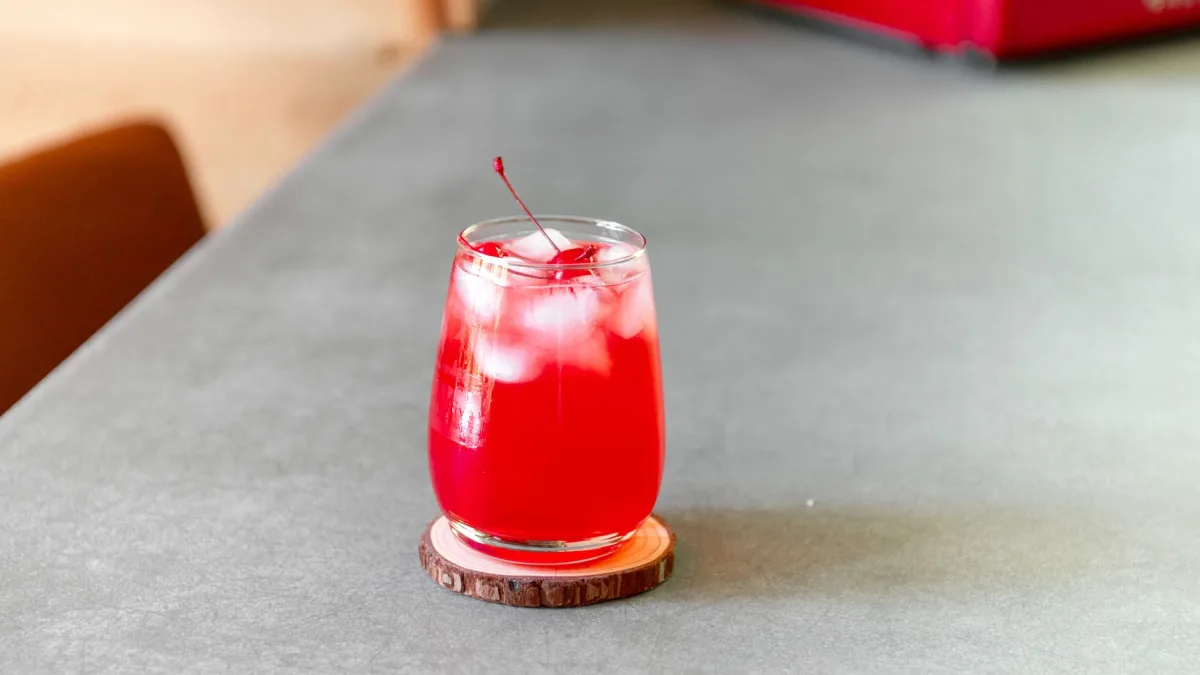
The reason it chews instead of cracks is air. Nugget ice is full of tiny pockets, so it is less dense than a solid cube. That soft structure is also why it absorbs flavor. Pour soda or cold brew over a glass of it and the ice starts tasting like your drink within a minute.
It melts faster than cube ice for the same reason, which is a fair trade most chewers happily make. You are not buying nugget ice to keep a drink cold for three hours. You are buying it because chewing it is genuinely satisfying and it makes an ordinary glass of water feel like a treat.
How a nugget ice maker builds the ice
The mechanism is clever and worth understanding before you spend the money. Instead of freezing a tray, the machine freezes a thin layer of ice on the inside wall of a chilled metal cylinder. A rotating auger inside that cylinder scrapes the frozen flakes loose and pushes them upward through a small die, which compresses them into the familiar nugget shape.
Because the ice is made from flakes and pressed rather than frozen solid, the machine can pump out a steady stream once it gets going. I go deeper on the auger, the die, and the freezing cylinder in my breakdown of how nugget ice makers make soft chewable ice, but the short version is that this is a small commercial-style process shrunk down to fit next to your toaster.
This is not the same as a bullet ice maker, the cheap kind that drops chilled prongs into water and makes hollow cylinders. Those are fast and inexpensive, but the ice is hard and clear-ish, not soft. If a listing does not say nugget, pebble, or pellet, it is probably making bullets.
Nugget versus cube versus bullet ice
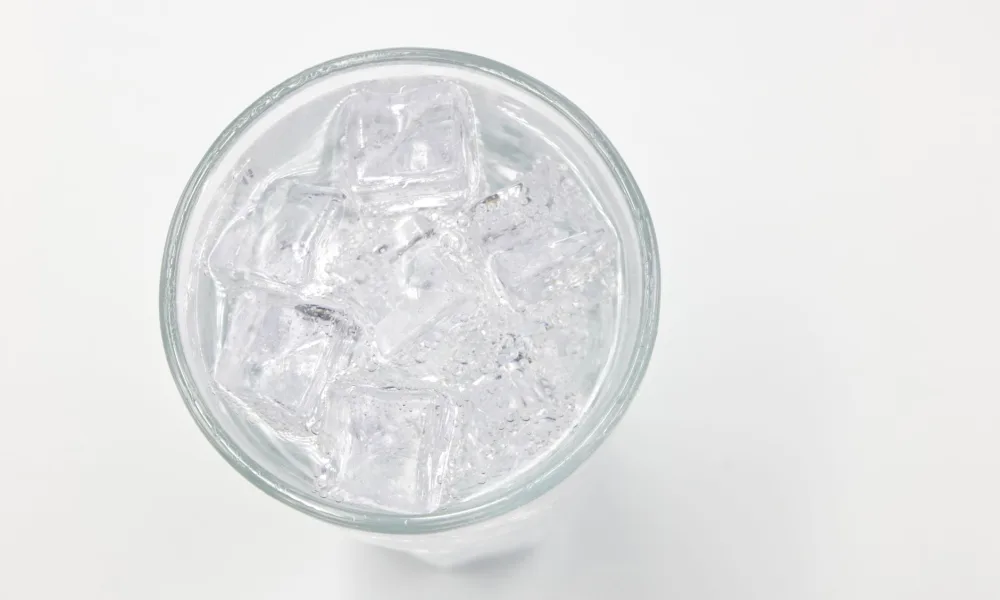
People shopping for their first machine usually confuse these three. Here is how they compare on the things that matter in daily use.
| Type | Texture | Chewable | Best for | Typical machine |
|---|---|---|---|---|
| Nugget | Soft, porous pellets | Yes, easily | Chewing, soda, water, cocktails | GE Profile Opal, Frigidaire EFIC237 |
| Cube | Hard, dense blocks | No | Long, slow cooling | Built-in fridge makers |
| Bullet | Hard hollow cylinders | Not really | Fast, cheap cooling | Silonn cube-style, Igloo portables |
If you only ever want ice that keeps a whiskey cold, a nugget machine is the wrong tool. If you want ice you look forward to chewing, nothing else comes close.
How much ice these machines make
Most countertop nugget makers produce somewhere between 24 and 34 pounds of ice per day if you keep the water topped off and the bin emptied. The GE Profile Opal is rated around 24 pounds daily, while some Newair and Euhomy models push a bit higher.
Two numbers trip people up. The first is that the storage bin holds far less than the daily output, usually 3 pounds or so, because the machine is meant to make ice on demand rather than store a mountain of it. The second is how long you wait for that very first batch.
From a cold start, expect first ice in roughly 15 to 20 minutes on most units. I cover the full timeline, including why the first hour runs slower than later ones, in my notes on nugget ice maker batch time and first ice, and I break down realistic all-day numbers in how much nugget ice a maker produces per day.
If a household of chewers keeps outrunning the bin, look for a model with a side tank. It extends the water reservoir so the machine runs longer between refills, which matters more than raw output speed for most families.
What it costs to run
The sticker price is only part of the story. These machines run a compressor, so they pull real power when they are actively making ice.
Most countertop nugget makers draw somewhere around 100 to 175 watts while running. Running a typical unit a few hours a day usually lands in the neighborhood of a few dollars a month in electricity, though your rate and your chewing habits move that number around. I put actual dollar math to it in my piece on nugget ice maker daily run cost.
Water is the other running cost, and it is smaller than people fear. These machines recirculate. Melt water and unused water drop back into the reservoir to be frozen again, so you are not pouring gallons down a drain. For a sense of how clean your source water should be, the CDC guidance on healthy water is a sensible baseline, and using filtered water genuinely helps the ice taste better and the machine stay cleaner.
Keeping the machine clean
Here is the most common mistake I see, and I made it myself the first month: people run the machine and never clean it. Nugget makers move warm-ish water around a small closed loop, which is a friendly environment for slime and mineral scale if you ignore it.
The good news is that most modern units have a self-clean cycle. You add a cleaning solution or a diluted vinegar mix, press a button, and let it circulate. It does not scrub the auger for you, but it handles the bulk of the maintenance.
- Wipe the bin and drain any standing water when you will not use it for a few days
- Run the self-clean cycle roughly once a month, more often with hard water
- Use filtered or softened water to slow down scale buildup
- Leave the lid open to air out after cleaning so it does not go musty
Hard water is the quiet enemy here. If your tap runs mineral-heavy, the machine will scale up faster and the ice can taste chalky. The USGS explainer on water hardness is a quick way to figure out where your area lands. If you want the step-by-step, my walkthrough of the nugget ice maker self-clean cycle covers what each stage does.
Which models actually lead
The GE Profile Opal is the machine that made this category popular, and it is still the reference point everyone else gets measured against. It is quiet enough, makes genuinely good nugget ice, and has app control on the newer versions.
That said, it is not the only good option, and it is not the cheapest. Frigidaire, Newair, Silonn, Euhomy, GoveeLife, and others all make countertop nugget units at a range of prices, and a few of them are worth a serious look if the Opal stretches your budget.
The best nugget ice maker is the one you will actually keep clean and keep full.
My deep read on the flagship lives in the GE Profile Opal explained, and if you are weighing it against the popular budget rival, my Opal versus Frigidaire EFIC237 comparison lays out where each one wins.
Where this leaves you
A nugget ice maker is not a serious kitchen tool the way a stand mixer is. It is a small luxury that earns its counter space if you are the kind of person who genuinely loves chewing soft ice. If that is you, the daily payoff is real and it shows up every single time you fill a glass.
Go in knowing three things: the bin is small on purpose, the machine needs a monthly clean, and filtered water makes everything better. Get those right and one of these will run happily for years. From here, pick the thread that matters most to you, whether that is output, running cost, cleaning, or a specific model, and follow it into the deeper pages from this hub.
Want a closer look at specific units? We break down the Newair nugget ice maker, the compact Silonn nugget maker, the Ecozy nugget maker, and the GoveeLife nugget maker.
Frequently asked questions
Yes, it is the same soft chewable pellet ice. Restaurants use large commercial nugget machines, and countertop units like the GE Profile Opal shrink that same auger and die process down for home use. The texture is very close, though commercial ice can be slightly drier because those machines run continuously.
Nugget ice is full of tiny air pockets, which makes it less dense than a hard cube. That lower density means more surface area touching your drink, so it melts quicker. It is a normal trade for the soft chewable texture and is not a sign your machine is broken.
Most countertop nugget makers are pour-in units with a reservoir you fill by hand, so no plumbing is needed. Some larger or undercounter models can connect to a water line, but the popular countertop machines do not require it. You just refill the tank when it runs low.
Most countertop units draw roughly 100 to 175 watts while actively making ice, and less when idle. Over a month of normal use that usually adds up to only a few dollars, depending on your electricity rate and how often you run it. It is comparable to running a small kitchen appliance for a few hours a day.
You can use tap water, but filtered water is better. Filtered water makes the ice taste cleaner and slows down the mineral scale that builds up inside the machine. If your area has hard water, filtering is the single easiest thing you can do to keep the unit running well.
Run the self-clean cycle about once a month under normal use, and more often if you have hard water or use the machine heavily. Wipe out the bin and drain standing water whenever you plan to leave it unused for several days. Regular cleaning prevents slime, odor, and cloudy tasting ice.

About the Author
Madhu Malhotra
Madhu Malhotra reviews nugget ice makers, countertop units, and portable freezers with a focus on real world durability. Over more than ten years of testing home ice machines she has learned which build details actually hold up, how to keep water lines clean without harsh chemicals, and what the marketing brochures quietly leave out. Her write ups aim to save readers a return trip and a wasted weekend.
Related guides
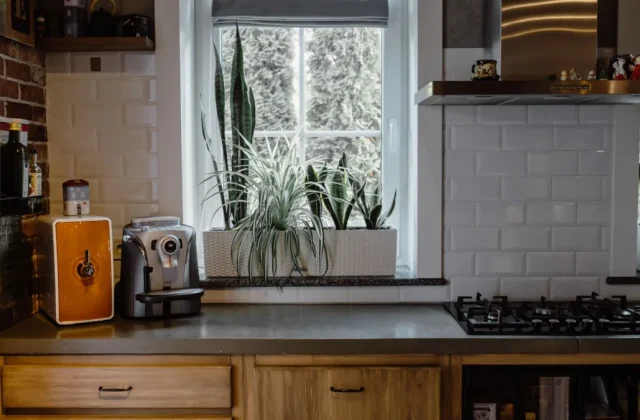
GE Profile Opal Nugget Ice Maker Explained
The Opal put nugget ice on home counters. Here is how the line works, why it caught on, and how its generations differ.
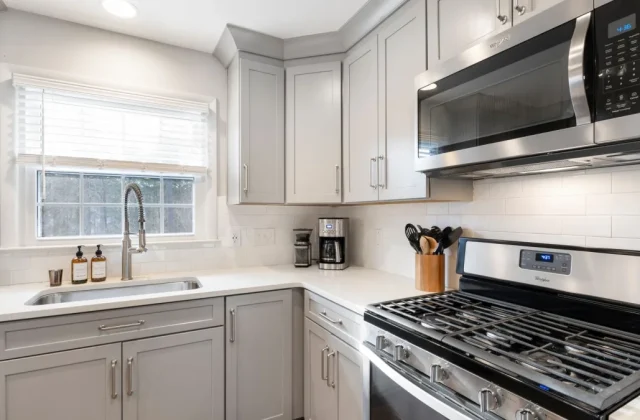
Undercounter Nugget Ice Maker Placement Basics
Some countertop nugget machines can tuck under a counter, but only with the right airflow. Here is how to do it without cooking the compressor.

Nugget Ice Maker Batch Time and First Ice
Your first pebbles land in about 15 to 20 minutes, then the machine keeps topping up the bin all on its own.