
Ice Storage Mistakes That Ruin the Taste
The open bins, refrozen slush, missing lids and mixed batches that quietly wreck good nugget, plus how to store a batch so it still tastes clean.
Key takeaways
- Nugget ice is airy and porous, so it absorbs freezer odors fast and loses its texture when it melts.
- Always store ice in a sealed bag or lidded container, never an open bowl in a shared freezer.
- Never refreeze melted nugget; the soft pellets collapse into a dense, cloudy chunk.
- Keep old and fresh batches separate so they do not clump or share off flavors.
- The machine bin is for making ice on demand, not holding it, so move surplus to a sealed bag within an hour or two.
I pulled a scoop of nugget out of my chest freezer last summer, dropped it into a glass of lemonade, and got a faint whiff of last week’s salmon. The ice looked perfect. It tasted like a fish market.
That was my own fault, and it taught me most of what I know about ice storage mistakes. Good ice is fragile in a way people do not expect. A machine like the GE Profile Opal spends a lot of energy making soft, chewable pellets, and you can undo all of it in an afternoon of careless storage.
Nugget ice is basically a sponge. It is riddled with tiny air pockets, which is exactly why it chews soft, and those same pockets soak up whatever is floating around it. Here is where people go wrong, and how I store a batch so it still tastes like water.
Mistake 1: Leaving pellets in an open bin
The number one killer of good ice is an open container sitting in a shared freezer.
Freezers are full of smells. Onions, garlic, leftover curry, that mystery bag of frozen shrimp in the back. Ice absorbs all of it, and nugget absorbs faster than a solid cube because it has so much surface area. Within a day, an open bowl of Opal pellets will pick up a stale, freezer-burned flavor that ruins any drink.
I learned to treat ice like an open box of baking soda, except in reverse. It is not deodorizing your freezer. It is collecting every odor for you to drink later.
An uncovered container of nugget can pick up noticeable off flavors within 12 to 24 hours in a typical home freezer. If you can smell your freezer when you open it, your ice can taste it.
Mistake 2: Storing ice with no lid at all
This sounds like the same problem, but it is worth separating. Even a clean, odor-free freezer causes trouble if the ice sits uncovered.
Frost-free freezers run a defrost cycle every 6 to 12 hours. They warm up slightly, then refreeze. Each cycle nudges your pellets toward melting at the surface and refreezing into a solid, crusty clump. An open container has no defense against this, and the constant air movement also dries the ice out and shrinks the pellets.
A sealed lid slows all of it down. I use a zip-top freezer bag pressed flat, or a lidded plastic bin with a good seal. The goal is simple: keep freezer air off the ice.
| Storage method | Odor protection | Clumping risk | My take |
|---|---|---|---|
| Open bowl in freezer | None | High | Avoid |
| Loosely covered bin | Weak | Medium | Better than nothing |
| Zip-top bag, air pressed out | Good | Low | My everyday pick |
| Sealed lidded container | Good | Low to medium | Great for larger batches |
Mistake 3: Refreezing nugget that has melted
This one hurts the most because the ice looks salvageable. You forget the bin on the counter, half of it turns to slush, and you shove it back in the freezer to save it.
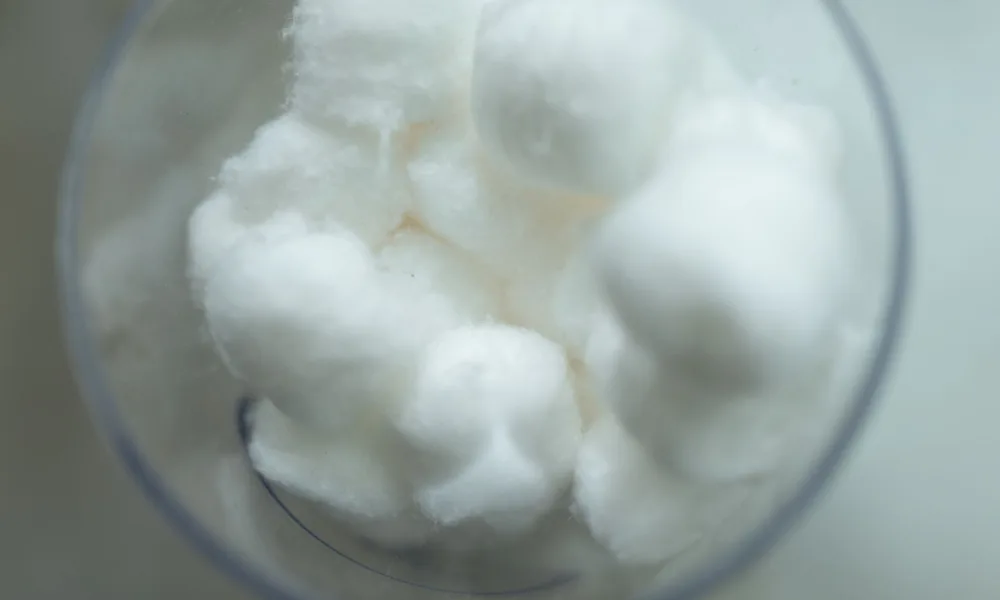
Do not. When nugget melts and refreezes, all those airy pockets collapse. What you get back is a dense, cloudy chunk that is hard, slow to chill a drink, and nothing like the soft pellets you started with. The texture that made Opal ice worth having is gone for good.
Refrozen slush also concentrates any minerals and off flavors that were in the water. If you want to understand why the fresh version looks and feels so different, the science behind clear versus cloudy ice explains what those trapped air pockets are actually doing.
If a batch has partially melted, just run it through the machine again or dump it. Making a fresh scoop from an Opal takes about 15 to 20 minutes. Rescuing bad ice is never worth the tradeoff.
Mistake 4: Mixing old ice with a fresh batch
I do this less now, but I used to top off yesterday’s leftover pellets with a new scoop and stir them together. Bad idea.
The old ice is already partway through melting and clumping. Add fresh pellets and the warmer, wetter surface of the fresh batch speeds up the whole mess, and the whole container fuses into one lump. You also drag any absorbed freezer odors from the old ice into the new.
I keep batches separate now, or I finish the old one first. Think of it like coffee: you would not pour this morning’s fresh pot into yesterday’s cold, stale carafe and call it an upgrade.
Mistake 5: Using the machine bin as long-term storage
Countertop makers like the Opal, the Frigidaire EFIC237, and various Newair and Silonn units are not freezers. Their storage bins are insulated, but unpowered for cooling. The Opal recirculates melted water back into the reservoir to make new ice, which is smart, but it means the ice in the bin is slowly melting the entire time it sits.
Leave a full bin overnight and you will find a shrunken, wet pile in the morning, not a crisp scoop. These machines are built to make ice on demand, not to hold it.
- Make ice shortly before you need it, not hours ahead
- Move any surplus to the freezer in a sealed bag within an hour or two
- Empty and dry the bin if you are done for the day
- Do not count on the bin to keep a batch cold past a couple of hours
If you are curious about why on-demand machines behave this way, I walk through the mechanics in my piece on how ice makers actually make ice.
Mistake 6: Ignoring the water you froze in the first place
Storage only protects what you gave it. If the ice tasted off coming out of the machine, no bag or bin will fix that.
Hard tap water leaves a mineral taste and speeds up scale buildup inside the machine, which then flavors every future batch. I run filtered water through mine, and the difference in taste after a week is obvious. The USGS has a plain explainer on water hardness and what minerals are in your tap if you want to know what you are dealing with.
For a fuller rundown of what to pour in, I put together thoughts on the best water for making ice at home. The short version: cleaner water in, better ice out, and storage has less to ruin.
How I store a batch the right way
None of this is complicated once you stop treating ice like it is indestructible.
Store ice like it is food, because it is. It picks up flavors, it goes stale, and it does not survive being frozen twice.
Here is my routine. I make ice about 20 minutes before people arrive. Whatever I do not use right away goes into a gallon zip-top bag, air pressed out, laid flat in the freezer away from anything strongly scented. Flat bags freeze fast and break apart easily instead of fusing into a brick.
I try to use a stored batch within a week. Technically it stays safe far longer, but nugget loses its soft chew and starts tasting like the freezer no matter how well you seal it. For food safety basics around ice and cold storage, the CDC food safety pages are a reasonable place to check if you are ever unsure.
If your stored pellets have clumped, do not microwave or run water over them. Just knock the bag against the counter a few times. The pellets usually break apart cleanly if you pressed the air out before freezing.
Where this leaves you
The pattern behind every mistake here is the same. Nugget ice is soft and airy, and that texture is the whole point of owning a machine like the Opal, but that same airiness makes it soak up odors and fall apart when it melts.
Keep it sealed, keep it away from strong smells, never refreeze the slush, and do not blend old with new. Do those four things and a stored batch tastes almost as good as fresh. If you want to understand why nugget behaves so differently from a hard cube in the first place, my overview of the main types of ice and how they differ is a good next stop, and it pairs well with the reasons nugget ice chews so soft.
Ice is cheap and fast to make. Treat it with a little care and you will never again taste last week’s salmon in your lemonade.
Frequently asked questions
Yes, but seal it in a zip-top freezer bag with the air pressed out or a lidded container. Freezer air causes odor pickup and clumping over time. Try to use a stored batch within about a week before the texture and taste start to fade.
Nugget is full of tiny air pockets that soak up surrounding odors quickly. An uncovered bowl in a freezer that holds onions, fish, or leftovers will pick up those smells within a day. Sealing the ice and keeping it away from strong-smelling foods prevents most of it.
You can, but you should not if you care about texture. When the pellets melt and refreeze, the air pockets collapse into a dense, cloudy lump that no longer chews soft. It is faster and better to make a fresh batch, which only takes 15 to 20 minutes on most machines.
Not long, because countertop bins are insulated but not actively cooled. A full bin left overnight usually becomes a wet, shrunken pile by morning. Plan on making ice close to when you need it and moving any extra to the freezer within an hour or two.
Surface melting followed by refreezing fuses the pellets together, and defrost cycles in a frost-free freezer speed this up. Pressing the air out of a flat-laid bag before freezing reduces it a lot. If a batch does clump, knock the bag against the counter a few times to break the pellets apart.
Yes. Hard tap water leaves a mineral taste and builds scale inside the machine that flavors later batches. Filtered water gives cleaner ice, and cleaner ice has less for storage to ruin.

About the Author
Madhu Malhotra
Madhu Malhotra reviews nugget ice makers, countertop units, and portable freezers with a focus on real world durability. Over more than ten years of testing home ice machines she has learned which build details actually hold up, how to keep water lines clean without harsh chemicals, and what the marketing brochures quietly leave out. Her write ups aim to save readers a return trip and a wasted weekend.
Related guides
Clear vs Cloudy Ice: Why the Difference
The haze in home ice comes from trapped air and minerals freezing fast, and here is why that rarely matters for a home drink.

Block Ice vs Cubed Ice for a Cooler
Block ice outlasts cubes because it melts slower, cubes chill faster and fill gaps, and the smart move is packing both.

Types of Ice Explained: Nugget, Cube, Crushed
A plain map of every common ice shape, how each one forms, and the drinks it actually suits best.