
Why Nugget Ice Chews So Soft
The soft chew comes from compacted flakes packed with air and water, not a solid frozen block, so pellets crush instead of crack.
Key takeaways
- Nugget ice is compacted flakes pressed into pellets, not a solid frozen block
- Trapped air and unfrozen water make it crush softly instead of cracking
- The GE Profile Opal shaves ice off an auger, then presses the flakes into pellets
- Those same pockets soak up soda and tea, so each bite gives flavor back
- Letting pellets sit too long clumps them hard and ruins the soft chew
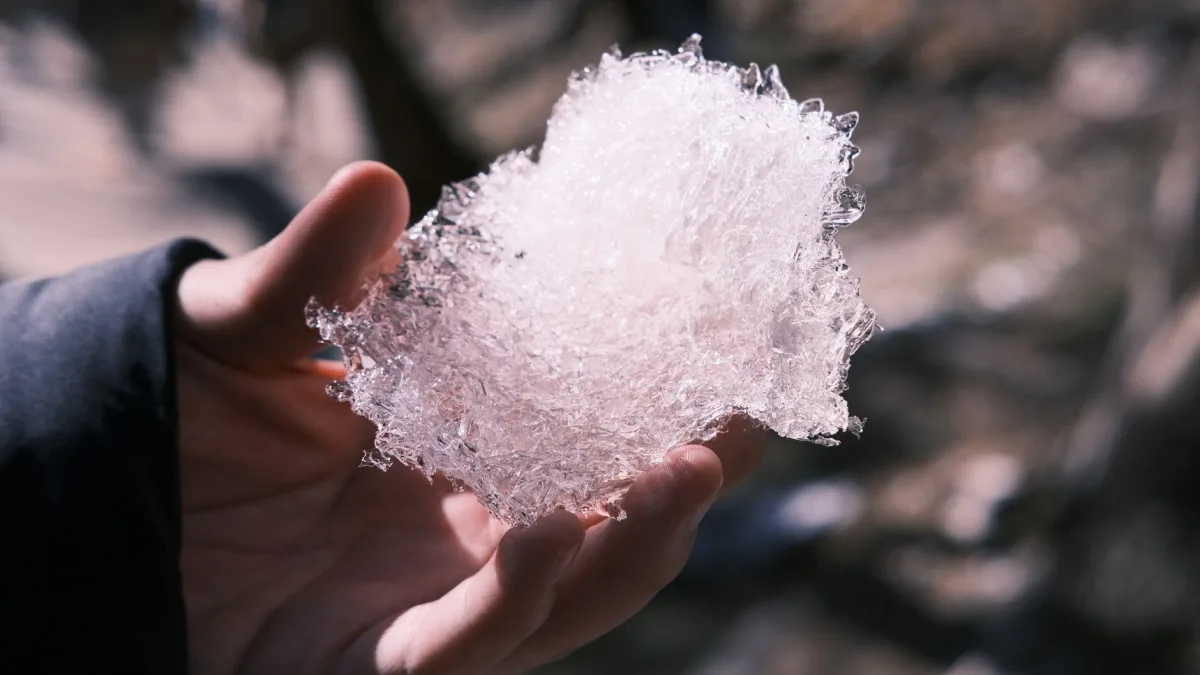
The first time I filled a cup from my GE Profile Opal and bit down, I braced for the tooth-jarring crunch of a hard cube. It never came. The pellet just gave way, soft and cold, like frozen snow that had been pressed into a pea.
That texture is the whole reason people get obsessed with this stuff. If you have ever wondered why nugget ice is chewable when the cubes from your freezer feel like gravel, the answer sits in how the ice is built, not what it is made of. Both start as plain water.
So let me walk through what is actually happening inside these machines, and why the result melts in your mouth instead of fighting back.
Nugget ice is not a frozen block, it is a pressed one
A standard ice cube freezes as one solid chunk. Water goes into a mold, sits still, and hardens all the way through. What you get is a dense, glassy brick with almost no air inside.
Nugget ice takes a completely different path. The machine first freezes a thin layer of ice on a chilled metal cylinder, then scrapes it off as soft flakes or shavings. Those wet flakes get pushed through a small die and compressed into little cylinders.
Think of it like a snowball. Loose snow packs into a ball you can crush in one hand, while a solid ice ball from your freezer could crack a window. Same water, very different structure.
That pressing step is the secret. The pellet holds its shape well enough to scoop and pour, but it is honeycombed with tiny pockets of air and unfrozen water. Bite it and those pockets collapse instantly.
Air and trapped water do the softening
When you compress cold flakes instead of freezing a clean block, you trap a lot of gaps. Some of those gaps hold air. Some hold liquid water that never fully froze during the fast scrape-and-press cycle.
A solid cube is close to pure ice, so it resists your teeth as one rigid piece. A nugget is more like packed frost, so it shatters into soft slush the moment pressure hits it.
This is also why nugget ice looks cloudy and white rather than clear. All those trapped air pockets scatter light. If you want the full story on the color difference, I get into it in my piece on clear versus cloudy ice.
The trapped water matters for another reason too. It makes the pellet feel wetter and colder against your tongue, which is part of why a mouthful feels so satisfying on a hot afternoon.
How the GE Profile Opal actually shaves and presses
I have run a Profile Opal on my counter for a couple of years, so this is the machine I know best. It pulls water from a roughly 3 pound tank, freezes a film of ice on an internal auger cylinder, and rotates a metal auger that scrapes that film off continuously.
Those shavings travel up and get squeezed through an extrusion head. The head presses and breaks them into the short, chalky pellets that drop into the bin. The whole cycle runs quietly at around 130 to 175 watts depending on the model year.
The original Opal makes about 24 pounds of ice per day. The newer Opal 2.0 pushes closer to 34 pounds and adds a side tank so you are not refilling the reservoir as often.
Countertop rivals like the Frigidaire EFIC237, various Newair units, and budget names like Silonn, Euhomy, and Igloo use the same shave-and-press idea. The pellet quality varies, but the physics is identical. If you want the mechanics across brands, I broke it down in how ice makers actually make ice.
Why the pellets feel slightly different machine to machine
Not every nugget chews the same. A machine that runs its cycle a hair warmer leaves more unfrozen water in the flakes, so the pellets come out wetter and softer. One that freezes harder yields a denser, crunchier nugget.
Water matters here as well. Softer, filtered water tends to produce a cleaner, more uniform pellet, which is one reason I stopped using straight tap water. I get into the details in my notes on the best water for making ice at home.
Nugget, pebble, and Sonic ice are the same texture
You will see this ice sold under a few names. Sonic Drive-In made it famous, so a lot of people call it Sonic ice. Others say pebble ice or chewblet ice.
They all describe the same thing: compacted flake ice pressed into soft pellets. The naming is mostly branding. I sorted out the labels in nugget versus pebble versus Sonic ice if you want the plain answer.
| Ice type | How it forms | Chew feel |
|---|---|---|
| Standard cube | Water frozen solid in a mold | Hard, cracks under teeth |
| Crushed cube | Solid ice shattered by a blade | Sharp shards, still hard |
| Flake ice | Shaved ice, left loose | Wet and slushy, no shape |
| Nugget ice | Flakes pressed into pellets | Soft, crunchy, gives way easily |
Flake ice is the closest cousin. Nugget is just flake ice that got pressed into a scoopable shape. I compared them directly in flake ice versus nugget ice.
Why the texture holds drink flavor so well
Here is the part that surprised me. Those same air and water pockets that soften the chew also grab onto whatever you pour over them.
Soda, sweet tea, lemonade, and cocktails soak into the porous pellets instead of just sliding off a slick cube. When you crunch the ice, you get a little burst of the drink back. It is why a soda over nugget ice tastes so much better than the same soda over cubes.
Nugget ice does not just chill your drink, it carries a little of the drink with it in every bite.
The soft texture also means you can actually eat it without wrecking your enamel, which cube chewers know is a real hazard. The pellets crush rather than resist. If you are a habitual chewer, it is still worth reading whether chewing ice is bad for your teeth before you go through a whole bin.
A common mistake that ruins the soft chew
The number one thing I see people get wrong is letting nugget ice sit too long in the bin. These machines do not keep the bin frozen. The bin is just insulated storage, so pellets slowly melt and refreeze together into a hard clump.
Once that happens, you lose the whole point. The clumped mass chews like a regular ice cube, hard and stubborn.
Scoop what you need fresh and let the machine keep cycling. If a batch clumps, dump it and let the machine make a new round. I covered the reasons pellets stick together in why ice sticks together and clumps.
A few habits keep the chew soft:
- Use fresh, cold, filtered water rather than warm tap water
- Empty the bin every day or two instead of hoarding a big batch
- Clean the reservoir regularly so mineral buildup does not stiffen the pellets
- Scoop from the top, where the newest and softest pellets land
Where this soft ice fits in the bigger picture
Nugget ice sits in a family of textures, and each one has a job. Hard clear cubes are built to melt slowly in a whiskey. Crushed ice chills fast for a blended drink. Nugget ice trades slow melting for a soft, snackable chew.
If you want the whole map of ice styles and where each shines, my rundown of the different types of ice explained lays them all side by side. It is the piece I point friends to when they ask which machine to buy.
Water quality is worth one more note. The pellets are mostly whatever comes out of your tap, so starting with clean water helps the taste and the texture. The CDC has a plain overview of healthy drinking water basics if you want to understand what is in your supply before you fill the tank.
Making the call on nugget ice
The soft chew is not a gimmick or a special recipe. It is a physical result of shaving ice into flakes and pressing them into pellets full of air and unfrozen water, instead of freezing a solid block.
That structure is why nugget ice crushes instead of cracks, why it looks cloudy, and why it soaks up your drink. Once you understand the shave-and-press cycle inside a machine like the Opal, the whole appeal makes sense. It is snow packed into a pellet, and it melts in your mouth almost the same way.
Keep it fresh, keep your water clean, and that satisfying crunch stays exactly where you want it.
Frequently asked questions
No, though they can look similar. Crushed ice is a solid cube shattered by a blade, so the shards stay hard and sharp. Nugget ice is soft flakes pressed into a pellet, which is why it chews soft instead of crunching like glass.
The pellets are packed with tiny pockets of trapped air. Those pockets scatter light instead of letting it pass through, so the ice looks white and frosty rather than clear. A solid cube looks glassy because it has far less air inside.
Yes, it melts noticeably faster. All that surface area and trapped water means the pellets give up their cold quickly. That is great for chilling a drink fast, but it also means nugget ice is not the best choice for a slow sipping cocktail.
The porous pellets soak up the drink instead of shedding it like a slick cube. When you chew the ice, you get a small burst of the soda or tea back. That mix of soft texture and absorbed flavor is why so many people love it.
Not really. Standard makers freeze water solid in a mold, so you get hard cubes. Soft nugget ice needs a dedicated machine that shaves ice into flakes and presses them, like the GE Profile Opal or similar countertop units.
The bin only stores ice, it does not keep it frozen. Left too long, pellets melt slightly and refreeze into a solid clump that chews like a cube. Scooping fresh ice and emptying the bin often keeps the soft texture.

About the Author
Madhu Malhotra
Madhu Malhotra reviews nugget ice makers, countertop units, and portable freezers with a focus on real world durability. Over more than ten years of testing home ice machines she has learned which build details actually hold up, how to keep water lines clean without harsh chemicals, and what the marketing brochures quietly leave out. Her write ups aim to save readers a return trip and a wasted weekend.
Related guides
Does Ice Type Change How a Drink Tastes?
Ice shape controls how fast a drink waters down, but off flavors almost always trace back to your water or a dirty machine.
Best Ice for Coolers and Keeping Food Cold
The best ice for coolers is a block on the bottom with cubes filling the gaps, and here is why nugget ice is the wrong pick for a long day out.
Block Ice vs Cubed Ice for a Cooler
Block ice outlasts cubes because it melts slower, cubes chill faster and fill gaps, and the smart move is packing both.