
Does Ice Type Change How a Drink Tastes?
Ice shape controls how fast a drink waters down, but off flavors almost always trace back to your water or a dirty machine.
Key takeaways
- Ice shape changes taste through dilution and chill speed, not by adding flavor.
- Nugget ice is porous, so it soaks up a little drink flavor and also picks up fridge odors.
- Off-tasting ice almost always comes from your water or a dirty machine, not the ice type.
- Filtered tap water usually improves ice taste more than switching ice shapes.
- Run the cleaning cycle every 2 to 4 weeks and use fresh ice to avoid off flavors.
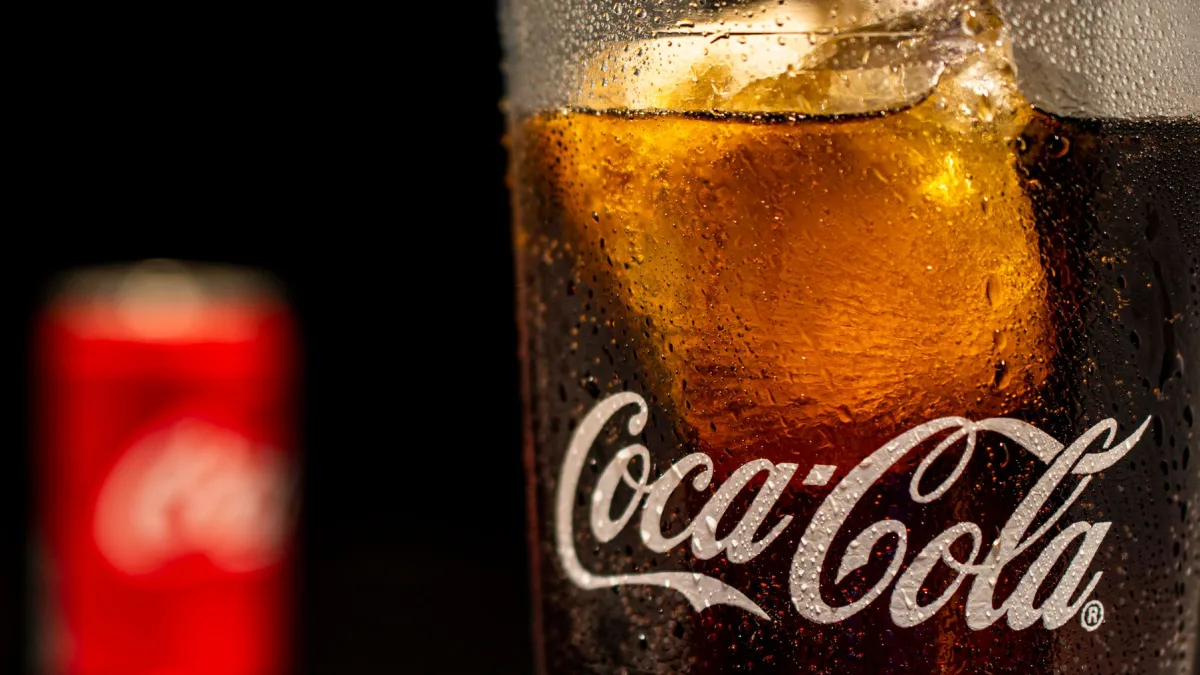
Last summer I ran a small test at my kitchen counter. I poured the same cola into three glasses: one with big cubes from a tray, one with crushed ice from my Frigidaire EFIC237, and one with soft nugget ice from a GE Profile Opal. Same soda, same pour, same minute.
Ten minutes later the three glasses tasted noticeably different. The nugget glass was cold and lightly diluted with a chewy, drinkable slush on top. The crushed glass had gone watery and flat. The big cube glass was still fizzy and barely touched. So does ice affect drink taste? Yes, though not in the way most people assume.
The ice itself rarely adds flavor. What changes is how quickly the drink gets cold, how much water joins the party, and whether your machine and water were clean to begin with.
Does ice shape really change the flavor of a drink?
Shape does not add flavor. Shape controls dilution, and dilution is what most people are actually tasting.
The physics is simple. Smaller pieces have more surface area touching the liquid, so they chill fast and melt fast. A glass packed with crushed ice cools your soda in seconds, then keeps melting and thinning it out. One big clear cube has very little surface area, so it chills slowly and survives a long time.
Nugget ice sits in the middle in an interesting way. Each piece is small and porous, so it cools the drink quickly, but the loose pile drinks more slowly than fine crushed ice does. That is a big part of why people love it, and I go deeper on the texture in why nugget ice chews so soft.
If you hate watered-down drinks, match the ice to the drink. Slow-melting cubes for spirits you sip, fast-chilling nugget for soda and tea you drink quickly.
Why does nugget ice seem to hold flavor?
Nugget ice is made from compacted flakes, which leaves tiny air pockets and channels through each piece. Those pockets grab a little of whatever liquid they sit in.
Pour root beer over a fresh scoop of nugget ice and the ice starts tasting faintly of root beer within a minute or two. Chew it later and you get that last sweet hit. It feels like the ice is holding flavor, and in a small way it is: the porous structure soaks up drink, then releases it when you crunch down.
The flip side is that nugget ice picks up smells and flavors from your freezer or bin just as easily. Leftover fish, an open box of baking soda, a strong cheese: give it a day in a shared bin and the ice can taste like the fridge. I cover the whole family of shapes in types of ice explained if you want the full rundown.
So where do off-tastes actually come from?
Nine times out of ten, bad-tasting ice is a water problem or a machine problem, not a shape problem.
Here is what I check first, in order.
- Your source water. Hard, mineral-heavy, or heavily chlorinated tap water makes ice that tastes like tap water, only concentrated.
- A dirty reservoir or bin. Slime, mold, and old scale living in the tank flavor every batch that passes through.
- Old ice sitting in the bin. Ice that has sat for days shrinks, refreezes, and takes on freezer odors.
- The tubing and pump. In machines like the Opal, mineral buildup in the lines can add a stale, plastic-y note.
The government water folks have a plain explanation of what mineral hardness is and where it comes from, and the USGS water science page on hardness is a good starting point if your ice tastes chalky or metallic.
Does the water I use matter more than the ice type?
Yes, and it is not close. Ice is frozen water, so whatever is in the water ends up in the glass.
I have tasted the same drink chilled with ice from the same Newair machine, once with straight tap water and once with filtered water. The tap version had a faint chlorine bite that carried right into an iced tea. The filtered version tasted clean.
You do not need fancy bottled water. A basic carbon filter pitcher or an inline fridge filter removes most of the chlorine taste and a lot of the sediment. I lay out the tradeoffs between tap, filtered, and distilled in the best water for making ice at home.
Distilled water tastes clean but can slow some countertop makers and, in a few models, trip low-water sensors. Filtered tap is the safer everyday choice for most machines.
How much does dilution really shift the taste?
Enough to matter for anything you sip slowly. A spirit-forward cocktail or a good whiskey changes character as the ice melts, and that melt curve is set almost entirely by shape and size.
Here is a rough field guide from my own testing, using a standard 12 to 16 ounce glass at room temperature.
| Ice type | Chills drink in | Noticeable dilution by | Best for |
|---|---|---|---|
| Large clear cube (2 inch) | 3-4 minutes | 15-20 minutes | Whiskey, sipping cocktails |
| Standard cube from tray | 1-2 minutes | 8-10 minutes | Water, juice, mixed drinks |
| Nugget ice | Under 1 minute | 6-8 minutes | Soda, tea, quick drinks |
| Crushed ice | Seconds | 3-5 minutes | Slushy drinks you finish fast |
If you drink a soda in five minutes, fast dilution barely registers. If you nurse a bourbon for half an hour, it matters a lot, which is why bar programs obsess over cube size. I get into that in detail in the best ice for cocktails at home.
Does clear ice taste better than cloudy ice?
Not on its own. Clear ice and cloudy ice from the same clean water taste the same.
Clear ice looks better and melts a touch slower because it is denser with fewer trapped air bubbles. Cloudy ice is cloudy because of dissolved air and minerals frozen in fast, and that mineral content is really about your water, not a flaw in the ice.
Clear ice is a looks-and-melt-rate thing. Taste lives in your water and your machine.
If you want the science on why home ice turns white in the middle, I break it down in clear versus cloudy ice.
What is the most common mistake people make?
Skipping the cleaning cycle. This is the single biggest cause of ice that tastes off, and I see it constantly.
A countertop nugget maker runs warm, wet, and often. That is a friendly home for pink slime and mildew inside the reservoir and tubing. If you never run the cleaning cycle, every batch carries a little of that funk.
My routine: wipe the bin weekly, empty and dry the reservoir when it will sit unused, and run a full descale and sanitize cycle every two to four weeks depending on how hard my water is. On a GE Opal that is a vinegar or approved-cleaner cycle that takes about 20 minutes plus a rinse. For food-contact surfaces, the plain-language guidance from the CDC on food safety is a sensible reference for how clean these surfaces should be.
Old ice is not safe forever just because it stays frozen. It shrinks, clumps, and absorbs freezer odors. Toss ice that has sat in the bin more than a few days and make a fresh batch.
Quick answers to the taste questions I hear most
Will nugget ice make my soda taste flat?
It can if you overfill the glass. Nugget ice knocks the carbonation out of soda faster than big cubes do because all that surface area agitates the bubbles. Use a bit less ice and pour the soda gently.
Does ice from the machine taste different than tray ice?
Usually the difference is water and cleanliness, not the machine. A well-maintained maker on filtered water beats a stale tray that has been absorbing freezer smells for a month.
Why does my ice smell like the fridge?
Because ice is porous and absorbent, and shared freezer air is full of odors. Store it in a sealed bin, not open next to leftovers.
Making the call
Ice shape genuinely changes how your drink tastes, but through dilution and chill speed, not by adding flavor. Nugget ice chills fast and holds a hint of whatever it is soaking in, which is why it feels flavorful in a good way and picks up funk in a bad way. Big cubes protect a slow sipper. Crushed ice waters things down in a hurry.
The flavor problems people blame on ice type almost always come from somewhere else: hard or chlorinated water, a reservoir that needs cleaning, or a batch that has sat too long. Fix the water, keep the machine clean, and use fresh ice, and the shape becomes a fun choice rather than a taste risk. If you are still deciding which shape suits your drinks, my breakdown of nugget versus pebble versus sonic ice is a good next stop.
Frequently asked questions
Yes, but mostly through dilution and how fast the drink gets cold, not by adding flavor. Small ice like crushed or nugget chills quickly and waters a drink down faster, while large cubes melt slowly and keep flavors intact longer. The ice itself only adds taste if your water or machine was not clean.
Nugget ice is made from compacted flakes, so each piece has tiny air pockets that soak up a bit of the liquid it sits in. When you chew it later, that absorbed flavor is released. The same porous structure means nugget ice can also pick up odors from your freezer.
Usually the water or the machine, not the ice shape. Hard or chlorinated tap water, a dirty reservoir with slime or mold, or old ice that has absorbed freezer smells are the common culprits. Cleaning the machine and using filtered water fixes most off tastes.
In most cases yes, especially if your tap water is chlorinated or hard. A basic carbon filter removes most of the chlorine taste and a lot of sediment that would otherwise concentrate in the ice. You do not need bottled or distilled water for good tasting ice.
No, clear and cloudy ice from the same clean water taste the same. Clear ice just looks nicer and melts slightly slower because it has fewer trapped air bubbles. Cloudiness comes from dissolved air and minerals, so any taste difference traces back to your water.
Run a full descale and sanitize cycle every two to four weeks, more often if your water is hard. Wipe the bin weekly and dry the reservoir when the machine will sit unused. Skipping the cleaning cycle is the most common reason home ice starts tasting off.

About the Author
Madhu Malhotra
Madhu Malhotra reviews nugget ice makers, countertop units, and portable freezers with a focus on real world durability. Over more than ten years of testing home ice machines she has learned which build details actually hold up, how to keep water lines clean without harsh chemicals, and what the marketing brochures quietly leave out. Her write ups aim to save readers a return trip and a wasted weekend.
Related guides
Best Ice for Cocktails at Home
Match the ice shape to the drink and you control dilution, chill, and how long the pour holds up in the glass.

Ice for a Sore Throat or Nausea
Soft nugget ice soothes a raw throat and settles a queasy stomach without the jaw-jarring crunch of hard cubes. Here is when it wins.
Why Ice Sticks Together and Clumps
Ice fuses in the bin because pieces melt a little and refreeze into bridges, and nugget ice clumps fastest of all.