
Types of Ice Explained: Nugget, Cube, Crushed
A plain map of every common ice shape, how each one forms, and the drinks it actually suits best.

Key takeaways
- There are six common ice shapes: nugget, half cube, full cube, crushed, flake, and gourmet sphere.
- Nugget ice is soft and chewable because a machine compresses scraped flakes with trapped air and water.
- Bigger, denser shapes like full cubes and spheres melt slowest and dilute drinks least.
- Crushed and flake ice cool fast but water down a drink quickly.
- Match the ice shape to your most common drink before you pick a machine.
The first time a friend handed me a cup of soft, chewable pellets from her GE Profile Opal, I had questions. Why did this ice taste different? Why did it hold my iced tea colder without turning it into a watery mess in ten minutes? I had spent years thinking ice was just ice.
It is not. There are at least six shapes you will run into at home, from a diner, or out of a countertop machine, and each one is built for a job.
Once you learn the types of ice and what each is made for, you stop picking a machine by looks and start picking one by the drinks you actually make. That is the whole point of this guide.
The six ice shapes you will actually meet
Most home and commercial ice falls into a handful of categories. You do not need to memorize industry jargon, but knowing the family tree helps.
| Shape | What it looks like | Best for |
|---|---|---|
| Nugget | Small soft pellets of compressed flakes | Chewing, iced tea, soda, hospitals |
| Half cube | Small squared chunks, flat on one side | Everyday drinks, fast cooling |
| Full cube | Larger dense squares | Slow melt, spirits, water pitchers |
| Crushed | Irregular jagged shards | Blended drinks, snow cones, first aid |
| Flake | Thin soft snow-like curls | Fish display, produce, therapy packs |
| Gourmet sphere | Large round or clear balls | Whiskey, slow dilution cocktails |
The rest of this piece walks through each one, how a machine forms it, and where it shines. If you want the deeper mechanics behind any of these, I cover the freezing process itself in a companion piece on how ice makers actually make ice.
Nugget ice: the chewable one everyone wants
Nugget ice is the soft, cloudy pellet you get from Sonic drive-ins and from countertop units like the GE Profile Opal. People fall in love with it fast, and there is a reason.
A nugget machine does not freeze a solid block. It scrapes thin flakes off a chilled cylinder, then compresses those flakes into little pellets. That compression traps tiny air pockets and liquid water, which is exactly why it crunches instead of cracking a filling.
The Opal makes roughly 24 pounds of nugget a day and holds about 3 pounds in its bin at a time. It also drinks power, usually pulling 100 to 350 watts depending on the cycle. If you want the science of that soft crunch, I broke it down in why nugget ice chews so soft.
Nugget ice absorbs the flavor of whatever it sits in, which is why iced tea and lemonade taste so good with it. That same trait means it soaks up freezer smells fast, so keep it in the machine, not an open bin.
Half cube and full cube: the workhorses
Cube ice is what most bullet-style countertop makers produce. Units from Silonn, Euhomy, and Igloo squirt water over chilled metal prongs, and the ice freezes around them into little hollow bullets or squared cubes.
Half cubes are small and cool a drink quickly because they pack tightly and expose more surface area. Full cubes are bigger and denser, so they melt slower and dilute your drink less.
A typical Euhomy or Silonn countertop maker turns out 26 pounds a day in nine-cube batches every 6 to 12 minutes, and most cost between 90 and 150 dollars. They are the default for a reason: cheap, fast, and good enough for water, soda, and most everyday pours.
One thing worth knowing is that these bullet cubes come out cloudy, not clear. If that bugs you, I explain the reason in clear versus cloudy ice.
Crushed ice: fast cold, fast melt
Crushed ice is just cube or block ice that has been shattered into jagged shards. Some fridges crush cubes on demand, and blenders do it too.
All those broken edges mean a huge amount of surface area touching your drink, so it chills almost instantly. The tradeoff is speed of melting. Crushed ice waters down a drink faster than any other shape.
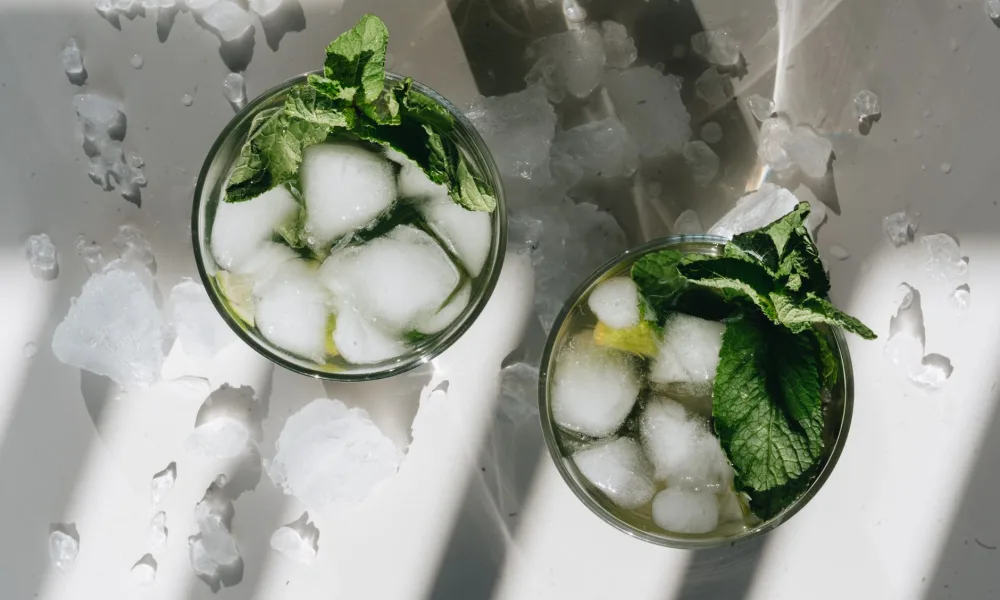
That makes it perfect for a mint julep, a frozen margarita, or a snow cone, where you want intense cold and some dilution. It is a poor choice for a glass of water you plan to sip slowly.
Crushed ice is the sprinter of the ice world: brilliant for a fast, cold burst, useless when you need it to last.
Flake ice: the soft snow
Flake ice looks like packed snow. You have seen it under fish at the grocery counter and packed around fresh produce.
It contains a lot of liquid water, often around 20 percent, which makes it soft and moldable. That is great for cradling delicate food and for therapy packs that need to wrap around a joint.
You will rarely see a home countertop flake machine, since flake and nugget both start the same way, by scraping flakes off a cold drum. The difference is that nugget machines compress those flakes and flake machines do not. I compare the two directly in flake ice versus nugget ice.
Gourmet sphere and clear cube: the slow melters
Gourmet ice is the category cocktail people care about. Think large clear cubes and round spheres that sit in a glass of bourbon.
A big sphere has the least surface area relative to its volume of any shape, so it melts slowest and dilutes least. That lets you nurse a good whiskey without it turning to water in fifteen minutes.
Clarity matters here too. Clear ice comes from freezing water slowly in one direction so trapped air and minerals get pushed out. Home cocktail fans use directional freezing molds or clear-cube makers to get that glassy look. If you are building a home bar, my notes on the best ice for cocktails at home go deeper on spheres, big cubes, and dilution.
A cheap countertop maker will not give you crystal-clear spheres. Those need slow directional freezing, which is why bar-quality clear ice usually comes from a dedicated mold or a specialty machine.
Which ice for which drink
Here is the cheat sheet I actually use when someone asks what to buy. Match the ice to your most common drink, not to the machine that looks nicest on the counter.
- Iced tea, lemonade, soda: nugget, hands down
- Everyday water and mixed drinks: half or full cube
- Frozen and blended cocktails: crushed
- Whiskey and slow sippers: large clear cube or sphere
- Cold brew and iced coffee: cube or nugget, depending on how fast you drink it
Coffee is its own puzzle because melting ice waters down the brew. I sorted through that in the guide to the best ice for cold brew and iced coffee, and the answer surprised me.
A common mistake: buying nugget when you wanted clear
The mistake I see most often is someone buying an Opal or a Newair nugget maker expecting bar-quality clear cubes for their old fashioned. Nugget ice is cloudy and soft by design. It is wonderful to chew and terrible for slow sipping.
If your dream is a clear sphere in a rocks glass, a nugget machine will disappoint you every time. Decide what drink matters most, then buy the shape that serves it.
Water quality plays a role in taste and clarity no matter which shape you make. The CDC guidance on healthy water is a good baseline for what you are actually freezing, and hard water in particular can leave your machine crusty over time.
Making the call
Ice is not one product. It is a family of shapes, each engineered for a purpose, from the chewable nugget to the slow-melting sphere.
Once you know the six main types and how each one forms, the buying decision gets simple. Figure out the drink you make most, pick the shape that suits it, and let that steer the machine. I chased the perfect nugget for months before I realized I mostly drink iced tea, and that one honest answer settled the whole thing.
Once you know the shapes, put them to use: ice for coolers and keeping food cold, ice for a sore throat or nausea, and our plain-language ice terminology glossary.
Frequently asked questions
Nugget ice is made from compressed flakes, so it is soft, cloudy, and easy to chew. Cube ice is frozen solid around metal prongs, so it is harder and denser. Nugget suits iced tea and soda, while cubes work better for water and slow sipping.
Most bullet-style countertop makers freeze water fast, which traps tiny air bubbles and minerals inside the ice. That trapped air is what makes it look cloudy. Clear ice needs slow directional freezing, which cheap machines do not do.
A large sphere melts slowest because it has the least surface area relative to its volume. Big clear cubes come in second. Crushed and flake ice melt fastest since they expose the most surface area to the drink.
Yes. Sonic ice, pebble ice, and nugget ice all refer to the same soft, chewable pellets made by compressing ice flakes. Countertop makers like the GE Profile Opal produce this exact style at home.
For spirits and slow cocktails, large clear cubes or spheres are best because they dilute your drink slowly. For blended or crushed drinks like margaritas and juleps, go with crushed ice. Many home bars keep both on hand.
Most countertop cube makers produce around 26 pounds a day in small batches every 6 to 12 minutes. A nugget unit like the GE Profile Opal makes closer to 24 pounds a day. Bin capacity is usually only a few pounds at a time.

About the Author
Madhu Malhotra
Madhu Malhotra reviews nugget ice makers, countertop units, and portable freezers with a focus on real world durability. Over more than ten years of testing home ice machines she has learned which build details actually hold up, how to keep water lines clean without harsh chemicals, and what the marketing brochures quietly leave out. Her write ups aim to save readers a return trip and a wasted weekend.
Related guides
Nugget vs Pebble vs Sonic Ice: Same Thing?
Nugget, pebble, and sonic ice are three names for the same soft chewable ice, and here is where each label came from.
Why Nugget Ice Chews So Soft
The soft chew comes from compacted flakes packed with air and water, not a solid frozen block, so pellets crush instead of crack.

How Ice Makers Actually Make Ice
The freeze and harvest cycle explained in plain language, plus why nugget machines shave and press flakes instead of freezing whole cubes.