
Best Ice for Cold Brew and Iced Coffee
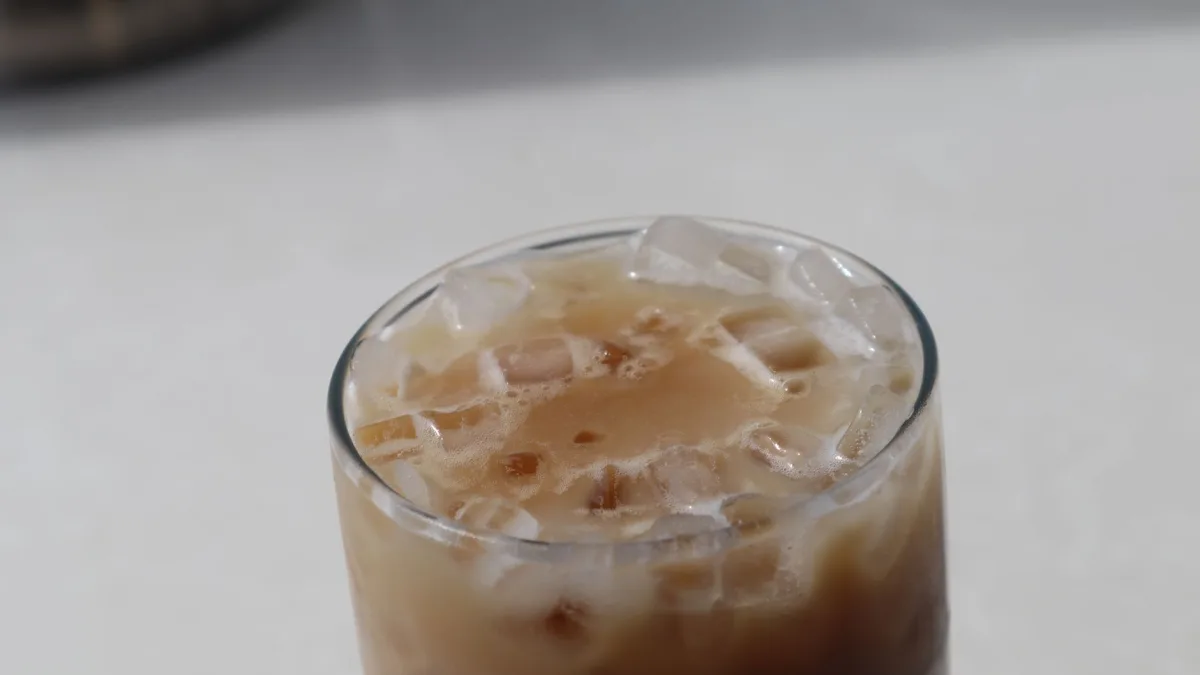
Coffee ice cubes, nugget ice, and a few prep tricks that keep your morning cup strong instead of a watery mess by 8:30 a.m.
Key takeaways
- Coffee ice cubes are the single best fix because they add coffee as they melt instead of water
- Nugget ice chills cold brew almost instantly and suits it well since cold brew starts strong and low in acid
- Never pour hot coffee straight over your serving ice; flash-chill it first or use cold brew
- Prep the night before by deep-freezing ice and chilling your glass so less melts on contact
- Filtered water makes better plain ice and keeps your machine cleaner over time
Here is the moment that started my whole obsession with this. I poured a beautiful glass of cold brew over regular cube ice at 7:45 one morning, got pulled into a phone call, and came back twenty minutes later to something that tasted like coffee-flavored tap water. Same beans, same ratio, ruined by the ice.
That is the real problem with iced coffee at home. It is not the beans and it is not the machine. It is what melts into the cup while you are not looking. Figuring out the best ice for iced coffee took me a few weeks of testing, a lot of half-finished glasses, and one freezer tray dedicated entirely to frozen coffee.
Here is what actually works, in the order I would try it.
Why iced coffee goes watery in the first place
Dilution is just melt. Every ice cube that melts adds water to your drink, and the faster it melts, the faster your coffee thins out.
Two things drive that melt: surface area and starting temperature. A big clear cube has less surface area per ounce, so it melts slowly. Crushed or shaved ice has enormous surface area, so it melts fast and chills fast. That trade-off sits at the center of every choice you make here.
Nugget ice lands in an interesting spot. It is made from compacted flakes, so it chills a drink almost instantly, but the little nuggets hold their shape longer than crushed ice does. If you want the full breakdown of how the shapes stack up, I walk through it in my guide to the different types of ice and how they behave.
Cold liquid melts ice slower than warm liquid. If your cold brew comes straight out of a 38-degree fridge, it will dilute far less than a hot pour-over you flash-chilled over ice.
The single best fix: coffee ice cubes
This is the one that changed everything for me. Instead of freezing water, you freeze coffee. When the cubes melt, they add coffee to your coffee, so the drink never weakens.
I brew a slightly stronger batch, let it cool, and pour it into a standard silicone tray. One tray gives me about 14 cubes, which covers three or four glasses over the week.
How to make them
- Brew coffee at roughly 1.5 times your normal strength, or just use leftover cold brew concentrate.
- Let it cool to room temperature so you are not warming your freezer.
- Pour into a silicone or flexible tray and freeze for 4-6 hours, or overnight to be safe.
- Pop them into a zip bag once solid so they do not pick up freezer smells.
One small first-hand observation: freezer odors are real. My first batch sat uncovered next to an onion for two days and tasted like it. Bag them.
Label the bag with the freeze date. Coffee cubes are best inside about two weeks. After that they start tasting flat and a little stale, the same way old ice picks up off-flavors.
When plain nugget ice is the smarter call
Coffee cubes are great, but they take planning. Nugget ice is the everyday answer when you did not think ahead.
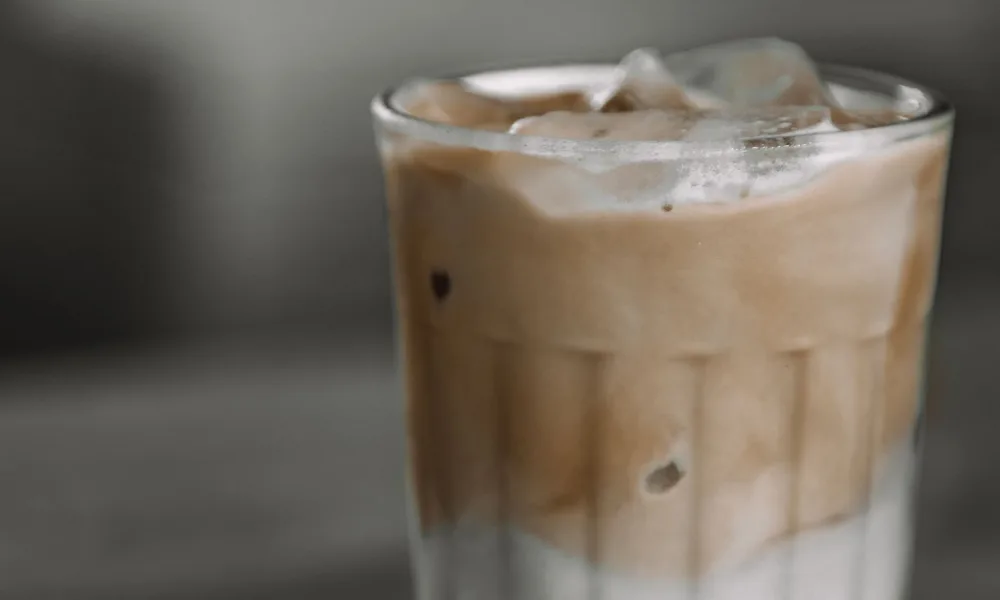
Cold brew handles nugget ice unusually well. It is already smooth and low in acid, so the quick chill from nugget ice does not shock it the way it can with a bright, hot-brewed coffee. The nuggets bring the temperature down in seconds, and because cold brew starts strong, a little melt does not hurt it.
I ran my GE Profile Opal for this most mornings. It makes about a pound of nugget ice an hour and holds three pounds in the bin, which is plenty for a household of iced-coffee drinkers. If you are choosing between shapes for drinks specifically, I compared how each one performs in my notes on whether ice type changes how a drink tastes.
| Ice type | Chill speed | Dilution risk | Best for |
|---|---|---|---|
| Coffee ice cubes | Medium | None (adds coffee) | Keeping a cup strong all morning |
| Nugget ice | Very fast | Medium | Cold brew you drink quickly |
| Large clear cube | Slow | Low | Sipping slowly at a desk |
| Crushed or shaved | Instant | High | A fast, very cold gulp |
Prepping ice the night before
A strong morning cup is mostly about prep. Ice that comes out of the freezer at zero degrees dilutes less than ice that has been sitting near the door melting and refreezing.
My routine looks like this. The night before, I move a scoop of nugget ice from the Opal bin into an insulated container and put it in the coldest part of the freezer. That extra deep-freeze makes the nuggets harder and slower to melt the next morning.
- Freeze coffee cubes overnight, then bag them
- Move a scoop of nugget ice to a sealed container in the back of the freezer
- Chill your glass too, since a warm glass melts ice on contact
- Keep cold brew concentrate ready so you pour cold on cold
The chilled-glass step sounds fussy, but it matters more than people expect. A room-temperature glass can melt a surprising amount of ice in the first minute alone.
The common mistake: chilling hot coffee over ice
Here is where most people water down their drink without realizing it. They brew hot coffee, then pour it straight over a full glass of ice to cool it. Half the ice melts on contact, and you are drinking diluted coffee before you take the first sip.
If you want iced coffee from a hot brew, flash-chill it instead. Brew it strong and hot, pour it over just a couple of cubes in a separate container, stir until cool, then pour that cooled coffee over your real serving ice. Cold brew skips this whole problem, which is one more reason I keep a batch going.
Cold coffee over cold ice stays coffee. Hot coffee over cold ice becomes a compromise.
Water quality still matters for plain ice
If you are using regular ice cubes rather than coffee cubes, the water you froze them from ends up in your drink. Off-tasting tap water makes off-tasting ice, and you will notice it in something as clean as cold brew.
I use filtered water in my ice maker and taste the difference in the glass. Hard water can also leave your machine crusty over time, which affects both taste and maintenance. The USGS has a clear explainer on water hardness and what minerals do if you want to check where your area lands. For a deeper look at what to run through your machine, I put together thoughts on the best water for making ice at home.
What I actually reach for on a normal Tuesday
Most mornings I am not making a production of it. I keep a jar of cold brew concentrate in the fridge and a bag of coffee ice cubes in the freezer. Concentrate over coffee cubes gives me a drink that stays full strength from the first sip to the last, with zero fuss.
On lazy days I just pull nugget ice from the Opal and pour concentrate over it. It waters down a little by the bottom of the glass, but since I drink it in about ten minutes, it never gets sad. For the science of why those nuggets feel so good to chew while I finish the cup, I get into it in my piece on why nugget ice chews so soft.
Making the call
If you only change one thing, make coffee ice cubes. They solve the dilution problem completely and cost you nothing but a tray and a little planning the night before. Everything else, nugget ice, chilled glasses, flash-chilling, is about shaving off the last few percent of watering-down.
My honest setup is simple: cold brew concentrate, coffee cubes for slow mornings, nugget ice for fast ones. That combination has kept a full glass of iced coffee tasting like coffee, right down to the last mouthful, for over a year now. Start with the coffee cubes tonight and taste the difference tomorrow.
Frequently asked questions
Fresh coffee cubes taste great and keep your drink full strength. They do fade over time, so use them within about two weeks and store them in a sealed bag. After that they start tasting flat and can pick up freezer odors.
Nugget ice does melt faster than a big cube, but it pairs well with cold brew because cold brew is already strong and smooth. If you drink your cup within ten to fifteen minutes, the small amount of dilution is not a problem. For a slow desk sip, a large clear cube holds up longer.
Cold brew is easier to keep from going watery because it is brewed strong and cold, so you can pour it straight over ice without a hot-to-cold shock. Regular hot coffee needs to be flash-chilled first or it will melt half your ice on contact. Both work, but cold brew skips the extra step.
You can freeze them overnight and they are ready in about four to six hours. For quality, use them within roughly two weeks and keep them bagged so they do not absorb freezer smells. Making a fresh tray every week or two keeps the flavor clean.
Yes, especially in something clean like cold brew where off-flavors stand out. Filtered water makes better tasting ice and helps keep your ice maker from crusting up with mineral buildup. If your tap water tastes off, your ice will too.
Usually it is dilution from melt, not weak coffee. More ice actually chills faster and melts less once the drink is cold, while a warm glass or a hot pour melts ice quickly and thins the cup. Brew a little stronger, chill your glass, and use coffee cubes to keep it from watering down.

About the Author
Madhu Malhotra
Madhu Malhotra reviews nugget ice makers, countertop units, and portable freezers with a focus on real world durability. Over more than ten years of testing home ice machines she has learned which build details actually hold up, how to keep water lines clean without harsh chemicals, and what the marketing brochures quietly leave out. Her write ups aim to save readers a return trip and a wasted weekend.
Related guides
Why Nugget Ice Chews So Soft
The soft chew comes from compacted flakes packed with air and water, not a solid frozen block, so pellets crush instead of crack.
Clear vs Cloudy Ice: Why the Difference
The haze in home ice comes from trapped air and minerals freezing fast, and here is why that rarely matters for a home drink.
Best Water for Making Ice at Home
Filtered, tap, or distilled: what actually makes cleaner, better-tasting ice, and exactly what to pour into your countertop machine.