
Portable Ice Maker Not Working: Fix Checklist
Run this field checklist through leveling, power, warm water, and sensor faults to get your bullet ice maker running again in an afternoon.
Key takeaways
- Most dead portable makers are a setup problem, not a broken machine, so check leveling first.
- Weak power sources like cheap inverters and thin extension cords starve the compressor at startup.
- Warm inlet water and hot, cramped placement quietly cut ice production in half.
- A false add-water light usually means a stuck float or scale on the level sensor.
- Descaling every few weeks prevents most slow or no-ice complaints.
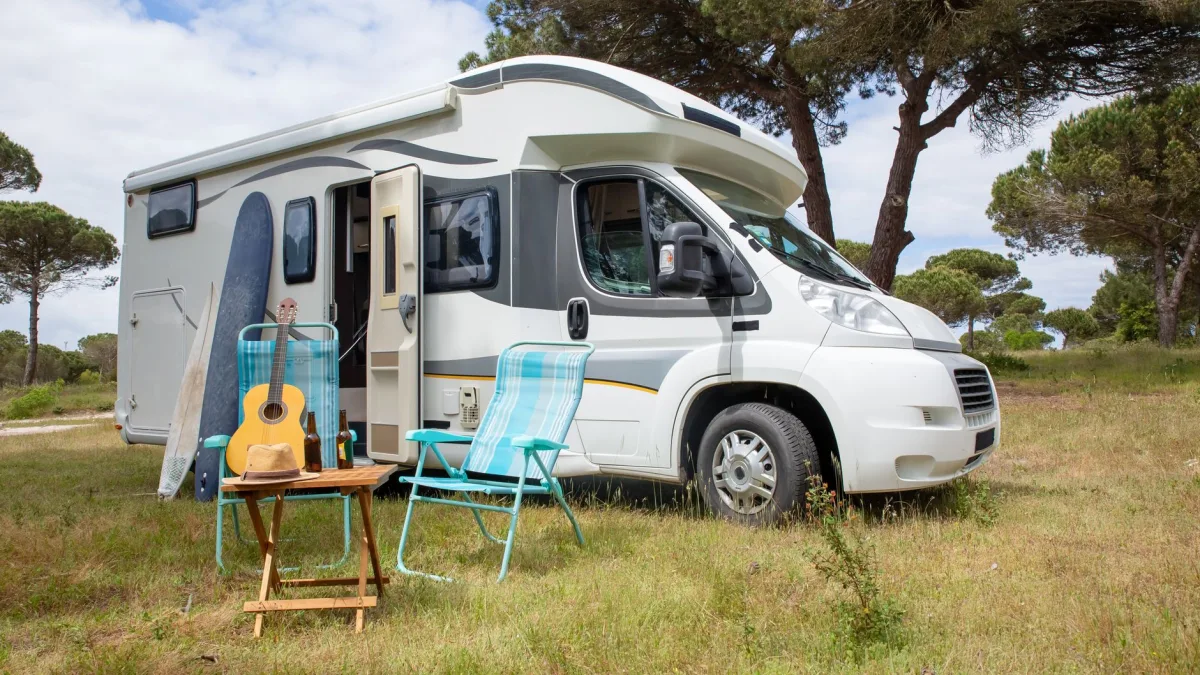
The first time my Frigidaire EFIC189 went dead quiet at a campsite, I assumed it was broken for good. It had made ice all morning, then it just stopped, blinking an add-water light at a tank that was clearly full. I nearly boxed it up for a return.
Turned out the fix took ninety seconds and cost nothing. A portable ice maker not working is almost never a dead machine. These bullet makers are simple boxes with a pump, a fan, a compressor, and a couple of sensors, and when one stops, it is usually the setup around it, not the guts inside.
Here is the checklist I run every time one quits on me, in the order that catches the most problems first.
Start with the surface it is sitting on
Portable makers hate being tilted. The water reservoir sits in the base, and the freezing prongs dip into it from above. If the unit leans more than a degree or two, the water pools to one side and the prongs either freeze air or flood.
This is the single most common reason an RV or camper unit acts strange. A dinette table on an unlevel pad, a countertop with a lip, a cushion of paper towels under one corner: any of these throws the whole cycle off.
Set a phone level app on top of the machine, not the counter. The counter can read flat while the machine rocks on a crumb or a rubber foot that popped loose. I have found a single grain of gravel under one foot stop a Newair cold.
Give it a firm press on each corner. If it rocks, shim it until it sits dead solid, then run a cycle. If your machine tips over easily in a moving RV, this leveling habit is worth building before every batch. Many of the same complaints show up on countertop units too, and the broader ice maker not making ice playbook starts in the same place.
Check the power source before you blame the machine
This is where campers and apartment dwellers on old wiring get burned. A portable ice maker pulls a real load. Most bullet units draw 100 to 150 watts while running, but the compressor spikes far higher at startup, sometimes 300 watts or more for a fraction of a second.
Weak power sources cannot deliver that spike cleanly. A cheap inverter, a long thin extension cord, a shared RV circuit already running a coffee maker: any of them can starve the compressor so it never kicks on. The fan may spin and lights may glow while nothing actually freezes.
| Power source | Will it run a bullet maker? |
|---|---|
| Wall outlet, dedicated circuit | Yes, ideal |
| Pure sine inverter, 300W or higher | Yes, usually fine |
| Cheap modified sine inverter | Often fails or runs hot |
| Long, thin extension cord (16 gauge) | Voltage drop, unreliable startup |
| Shared circuit with other appliances | Trips or starves the compressor |
Plug the machine straight into a known-good wall outlet and try again. If it runs there, your original outlet or cord is the problem, not the ice maker. If it still will not power up at all, work through the dedicated ice maker power troubleshooting steps before you assume the board is fried.

Warm inlet water quietly kills production
People forget that a portable maker has no way to pre-chill its water. Whatever you pour in the reservoir is what the prongs have to freeze, and warm water takes far longer.
Fill a Silonn or Euhomy with 80-degree tap water from an RV tank that baked in the sun, and the first two or three cycles will produce thin, cloudy, half-formed cubes, if any. The machine is not broken. It is fighting physics.
I keep a jug of water in the cooler or fridge and use that to fill the reservoir. Cold in, cold out. Production on my Euhomy roughly doubled in hot weather once I stopped pouring in sun-warmed water.
Ambient heat matters just as much. These units dump heat out the side and back, and if they sit in a hot RV with no airflow, the compressor cannot shed enough heat to freeze anything. Give the machine four to six inches of clearance on the vented side and keep it out of direct sun. If your cubes come out small or hollow even with cold water, the small or hollow ice fixes cover the finer tuning.
The add-water light with a full tank
My campsite scare was this exact fault. The reservoir was full, but the machine insisted it was empty and refused to run.
Bullet makers use a float or a small sensor to read the water level. When mineral scale, a stuck float, or an air bubble confuses that sensor, you get a false empty signal. It is one of the most frequent portable-unit complaints I see.
- Power off and empty the reservoir completely
- Wipe the float or sensor area with a soft cloth
- Look for a float that is stuck at the bottom or top and free it gently
- Refill with clean water and watch that the float rises
- Power back on and give it one full cycle
If it clears, great. If the light stays on with a genuinely full tank, the deeper walkthrough for an add-water light on a full tank gets into scale buildup and sensor replacement.
Descale, because minerals gum up everything
Hard water is the slow killer of portable makers. Scale coats the sensor, clogs the pump, and insulates the freezing prongs so they cannot pull heat out of the water fast enough.
If your machine has been running for months on tap water without a cleaning, this is likely your culprit. The USGS water hardness data shows just how much dissolved mineral most US tap water carries, and every bit of it stays behind when the water freezes off.
Run a descale cycle with a mix of water and food-safe citric acid or a capful of white vinegar. Let it circulate ten to fifteen minutes, drain, then run two clean-water cycles to rinse. On a neglected Igloo I revived last summer, descaling alone brought a machine back from making zero ice to a full batch every eight minutes.
Nine times out of ten, a portable maker that slowed to a crawl is not dying. It is just choked with scale nobody cleaned out.
Listen for the compressor and the pump
Sound tells you a lot. Put your ear near the machine right after you press start.
You should hear the water pump gurgle as it lifts water over the prongs, then a low steady hum from the compressor within a minute or two. If you hear the pump but no compressor hum, the machine may be in a defrost or harvest pause, so give it a full ten-minute cycle before judging.
What each sound points to
No pump gurgle at all usually means a stuck float telling the machine there is no water, or a clogged pump. A loud rattling or grinding suggests ice jammed on the prongs or in the basket. If the noises are new and getting worse, place the sound before it becomes damage: a rhythmic clunk is usually the harvest cycle, while a scrape or grind is ice fouling the moving parts.
If you hear the compressor click on and off rapidly, unplug the machine. Short cycling like that points to a power or overheating problem, and running it that way can cook the compressor for good.
Clear a jam and check the harvest arm
Bullet makers drop ice by warming the prongs slightly so the cubes slide off into the basket. If ice bridges across the prongs or the basket overfills, the machine stalls mid-cycle and stops.
Open the lid and look. A clump of fused cubes stuck to the prongs will halt everything. Melt it under warm water, wipe the prongs clean, empty the basket, and restart.
The scoop arm that pushes ice into the bin can also seize on a stray cube. Move it by hand to confirm it swings freely. Ice that refuses to release from the prongs at all is a separate issue, and the steps for clearing stuck ice walk through the harvest side in detail.
When it is genuinely the sensor or board
Rarely, none of the above works. You have leveled it, fed it cold water on good power, descaled it, and cleared every jam, and it still sits dead or throws a fault.
At that point suspect the temperature sensor, the water-level sensor, or the control board. A blinking pattern that does not match any normal light is worth decoding, and the manufacturer manual for your specific model can usually translate it. On a unit still under warranty, this is where you stop and call the maker rather than open the case.
Where this leaves you
Almost every portable maker I have seen quit came back to life somewhere in the first four checks: level it, feed it good power, pour in cold water, and clear the water sensor. Descaling and jam-clearing catch most of the rest.
Work the list in order and you will rarely reach the board. Keep a jug of cold water and a level app handy in the RV, descale it every few weeks, and that little bullet maker will keep dropping ice long after you have forgotten it was ever a worry.
Frequently asked questions
A sudden stop is usually a false empty signal from a stuck water float, a mid-cycle ice jam, or the unit sitting slightly tilted. Power off, empty and refill the reservoir, level the machine, and clear any ice on the prongs. It restarts on its own most of the time once the sensor reads water again.
Yes, but you need a pure sine wave inverter rated at 300 watts or more to handle the compressor startup spike. Cheap modified sine inverters often make the machine run hot or refuse to start. Plug it into a known-good wall outlet to confirm the machine works before blaming your power setup.
This almost always comes from warm inlet water or a hot, poorly ventilated spot. Fill the reservoir with chilled water and give the machine several inches of clearance on the vented side. The first couple of cycles after a cold refill will improve quickly.
Every two to four weeks if you use tap water, sooner in a hard water area. Run a water and citric acid or vinegar mix through a cleaning cycle, then rinse with two plain water cycles. Regular descaling prevents the slow decline that mimics a broken machine.
The water level float or sensor is stuck or fouled with scale. Empty the reservoir, wipe the float and sensor area, free the float so it moves up and down, then refill and watch it rise. If the light stays on with a truly full tank, the sensor may need cleaning or replacement.
Work the checklist first, since leveling, power, water temperature, and descaling fix the large majority of failures for free. If those steps fail and the fault points to the control board or a dead compressor, replacement usually makes more sense than paying for parts and labor on a low cost unit.

About the Author
Madhu Malhotra
Madhu Malhotra reviews nugget ice makers, countertop units, and portable freezers with a focus on real world durability. Over more than ten years of testing home ice machines she has learned which build details actually hold up, how to keep water lines clean without harsh chemicals, and what the marketing brochures quietly leave out. Her write ups aim to save readers a return trip and a wasted weekend.
Related guides
Ice Maker Leaking Water: Find and Stop the Leak
Trace the puddle to its real source, the reservoir seal, drain plug, overfill, or condensation, and stop it for good.
Ice Maker Won’t Turn On: Power Troubleshooting
Run this power checklist through the outlet, GFCI, cord, safety lockout, and reset to bring a dead countertop unit back to life.

Water Not Freezing in Ice Maker: Causes to Check
When the pump runs but no ice forms, the fix is usually a warm room, a dirty condenser, or a cooling fault you can spot in minutes.