
How Countertop Ice Makers Work and Who They Suit
A plain walkthrough of the compressor cycle, the bullet ice drop, and which small spaces these plug-in machines actually fit.
Key takeaways
- Countertop ice makers are tiny refrigeration units that freeze water onto cold prongs, then release hollow bullet ice.
- They need no plumbing because unfrozen water and bin melt recirculate back to the tank.
- Rated output like 26 pounds a day is a lab figure; real kitchens see less, so judge by batch speed instead.
- The compressor surge at startup is the real limiter for RV, van, and off-grid battery use.
- The bin is not a freezer, so scoop your ice out or it melts back into the reservoir.
The first time I ran a GE Profile Opal on my kitchen counter, I stood there watching it like it was a fish tank. Within about ten minutes it had spat out a handful of chewable nuggets, no ice tray, no freezer, no water line running into the wall. I had poured maybe 40 ounces of tap water into a tank and plugged it into a normal outlet.
That little moment is what sells most people. If you have ever wondered how countertop ice makers work, the short version is that they freeze water fast against a cold metal surface, drop the finished ice into a bin, and recirculate whatever water is left over. No plumbing, no drain, no ice tray gymnastics.
Let me walk you through what is actually happening inside the box, and then who these machines genuinely suit.
The compressor cycle in plain terms
A portable ice maker is a tiny refrigeration system. It uses the same basic parts as your fridge: a compressor, a condenser, an evaporator, and a refrigerant that loops through all of it.
The compressor squeezes refrigerant gas until it is hot and high pressure. That heat gets shed through the condenser coils and a small fan (that warm air you feel blowing out the side is normal). The refrigerant then passes through an expansion point, drops in pressure, and turns very cold as it reaches the evaporator.
The evaporator is the part that matters for ice. In most bullet-style units it takes the form of metal prongs or a cold plate sitting in the water. Cold refrigerant runs through those prongs, and water freezes onto them layer by layer.
This is why the first batch takes longer than the rest. The machine has to chill the whole system from room temperature before ice forms. Once it is cold, batches come faster.
Why the ice comes out as hollow bullets
Here is the part that surprises people. The prongs dip down into the water, and ice builds up on the outside of each prong. After a few minutes the machine reverses briefly, warming those prongs just enough to release the ice.
Because the ice formed around a prong, each piece slides off as a little hollow cylinder. That is your classic bullet shape, open on one end. It is not a defect, it is just a side effect of freezing water onto a rod and then sliding it off. If you want the full story on that, I got into it in a separate piece on why these machines make hollow bullet ice.
The ice then drops into a collection bin, usually by gravity or a small scoop arm, and the water that did not freeze drains back down to the tank to try again.
The tank refill loop, and why nothing goes to the wall
This recirculation loop is the whole reason these units need no plumbing. You fill a reservoir, the pump lifts water up over the freezing prongs, unfrozen water falls back to the reservoir, and the cycle repeats until the tank runs low or the bin fills up.
A typical countertop tank holds somewhere between 30 and 90 ounces depending on the model. A Silonn or Euhomy compact unit sits near the low end, while a larger Newair or the Opal holds more. When the water runs out, most machines flash a light and pause until you top it off.
The melt is not wasted. As ice sits in the bin without a freezer to keep it, it slowly melts and drains back into the reservoir to be refrozen. That is why the bin is not insulated on most units and why these are ice makers, not ice storage.
If you want to size a tank to how often you feel like refilling, I broke down the numbers in a guide to tank capacity and refill frequency.
How much ice, and how fast
Most countertop bullet makers advertise something like 26 pounds of ice in 24 hours. That number is a lab figure. In a real kitchen at room temperature you should mentally cut it, because the machine also has to fight ambient heat and the melt in the bin.
What matters more day to day is batch speed. A fresh batch of nine bullets usually lands every 7 to 15 minutes once the machine is warmed up.
| Model | Rated daily output | Batch time (warm) | Ice type |
|---|---|---|---|
| Silonn compact | 26 lb | 7-9 min | Bullet |
| Frigidaire EFIC237 | 26 lb | 8-12 min | Bullet |
| Euhomy portable | 26 lb | 9-13 min | Bullet |
| GE Profile Opal | 24 lb | Continuous | Nugget |
The Opal is the odd one out here. It makes soft chewable nugget ice through a different auger process, which is why it costs more and runs differently. Most sub-150 dollar units on Amazon, like the Igloo self-serving models, are bullet makers. If you care about how these numbers play out over a full day, I mapped that in a piece on real daily ice output.
Power draw and where you can plug one in
Because there is a compressor inside, these machines pull more than you might guess for something so small. Running watts usually land between 100 and 150 during a freeze cycle, with a brief startup surge that can spike two to three times higher.
On a standard household outlet this is a non-issue. Where it gets interesting is off-grid use. That startup surge is what trips up people trying to run one from a modest power station or battery bank.
The compressor does not care that your inverter is only rated for 150 watts. It wants its surge, and it wants it now.
For RV and van folks, that means matching the machine to a battery setup with enough surge headroom. The U.S. Department of Energy has a good primer on home energy basics if you want to understand watt draw before you shop. I also wrote up the specifics of running watts and surge for anyone planning a solar or dual-battery build.
Footprint, weight, and counter reality
Most compact bullet makers are about the size of a large coffee maker: roughly 9 inches wide, 12 inches deep, and 12 to 14 inches tall. They weigh 15 to 22 pounds empty, which matters if you plan to move one between a cabinet and the counter.
The catch is the airflow. That side fan needs a few inches of clearance or the machine works harder and makes more ice slower.
- Leave at least 4 to 6 inches of clearance around the vent side.
- Keep it off a hot spot near the oven or a sunny window.
- Give yourself lid clearance above for scooping and refilling.
If counter space is tight, the difference between models actually adds up. I compared the real dimensions in a rundown of footprint and weight.
Who these machines actually suit
The people who love these units usually share one trait: they cannot get ice easily any other way. That covers a lot of situations.
Apartments and dorms
No built-in ice maker, a tiny freezer, and no water line to tap. A countertop unit fixes all three. Dorm rooms in particular are a sweet spot since the machine plugs into a normal outlet and stores nowhere.
RVs, boats, and off-grid
Marine and van setups love these because RV freezers are small and slow to make ice. The limiter is power, not space, which loops back to that surge issue. Boat galleys deal with the added wrinkle of humidity and motion.
Offices and events
Break rooms, tailgates, and small gatherings are where output speed shines. You are not storing ice, you are producing a steady stream while people keep pulling from the bin.
One common mistake I see across all of these: people expect the ice to stay frozen in the bin like a freezer. It will not. Scoop what you make into a cooler or a glass, because anything left in the bin slowly melts back into the tank.
A note on water quality
What you pour in shapes what you get out. Hard water leaves scale on the freezing prongs and inside the pump, which slows the machine and can give the ice an off taste over time. Soft or filtered water runs cleaner and needs less descaling.
The CDC has a straightforward overview of healthy water at home that is worth a skim if you are on well water or an older building. For the machine itself, regular descaling is the difference between a unit that lasts years and one that clogs in a season. If your area runs hard, I put together a maintenance routine in a guide on upkeep in hard water areas.
Where this leaves you
A countertop ice maker is just a small refrigeration loop that freezes water onto cold prongs, sheds the ice as hollow bullets, and recirculates the rest. No plumbing, no freezer, a normal plug, and a tank you top off. That simplicity is exactly why they fit apartments, dorms, RVs, boats, offices, and tailgates so well.
If you know your space, your water, and your power situation, picking the right one gets easy. Start with how much ice you actually go through in a day, then match the tank, footprint, and power draw to your setup. From there, the machine mostly takes care of itself.
If you have a specific spot in mind, see our guides to picking a dorm room ice maker and running a portable ice maker on a boat.
Frequently asked questions
No. The bin holds ice but is not insulated or cooled like a freezer. Ice you leave in the bin slowly melts and drains back to the tank to be refrozen, so you should scoop it into a cooler or glass when you want it to last.
Usually 10 to 20 minutes for the first batch because the machine has to chill its whole refrigeration system from room temperature. After that, warmed-up batches typically arrive every 7 to 15 minutes depending on the model and room temperature.
The freezing prongs dip into the water and ice forms around each one. When the machine briefly warms the prongs to release the ice, each piece slides off as a hollow cylinder. It is a normal result of the freezing method, not a defect.
Yes, but the compressor draws around 100 to 150 running watts and has a much higher startup surge. Your inverter or power station needs enough surge headroom to handle that spike, or the machine will fail to start or trip the unit.
You do not have to, but filtered or soft water gives cleaner ice and less scale buildup. Hard water leaves mineral deposits on the prongs and pump that slow the machine and can affect taste, so it needs more frequent descaling.
Most compact units are about the size of a large coffee maker, roughly 9 inches wide and 12 to 14 inches tall. Leave 4 to 6 inches of clearance on the vent side so the fan can shed heat and the machine can make ice efficiently.

About the Author
Madhu Malhotra
Madhu Malhotra reviews nugget ice makers, countertop units, and portable freezers with a focus on real world durability. Over more than ten years of testing home ice machines she has learned which build details actually hold up, how to keep water lines clean without harsh chemicals, and what the marketing brochures quietly leave out. Her write ups aim to save readers a return trip and a wasted weekend.
Related guides
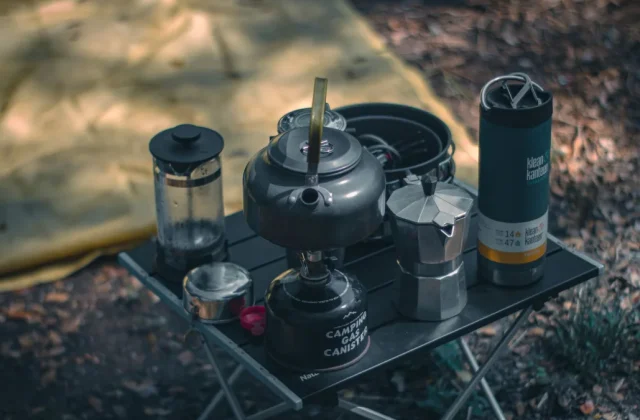
Countertop Ice Maker for Camping and Tailgates
The exact packing and setup checklist I use to run a portable ice maker at a campsite or tailgate without cooking the compressor or blowing a fuse.

Portable Ice Maker Dual Ice Sizes, Small vs Large
The small and large buttons on a portable ice maker change more than cube size, and here is which one actually fits your glass or your cooler.
Countertop Ice Maker Daily Ice Output Explained
Why the 26 lb per day number on the box overpromises, how many batches you really get per hour, and how to size ice to your household.