
Portable Ice Maker Dual Ice Sizes, Small vs Large
The small and large buttons on a portable ice maker change more than cube size, and here is which one actually fits your glass or your cooler.
Key takeaways
- The size button changes prong dwell time, not the mold, so large just means a longer freeze per batch.
- Small bullets finish faster and look clearer because a short freeze traps less air in the center.
- Large bullets melt slower, which suits coolers and spirits but produces more hollow, cloudy ice.
- Large settings lower your daily ice output because each batch takes more minutes.
- For clear ice, run small with cold filtered water rather than reaching for the large setting.
The first time I pressed the size button on a Newair countertop unit, I expected the machine to do something clever. It did not. It just changed how long the metal prongs sat in the water before dropping the ice. That one small timing change is the whole story behind small versus large bullets, and understanding it tells you a lot about how these machines behave.
Most portable ice makers give you two or three settings. On a Silonn or a Euhomy you get small, medium, and large. On the GE Profile Opal you get a different mechanism entirely, but the size logic still matters. This is the part of a portable ice maker ice size decision that nobody explains at the store.
So let me walk you through what the button really does, why one size makes clearer ice faster, and which setting I reach for depending on whether I am filling a whiskey glass or packing a cooler for the lake.
What the size button actually changes
Bullet-style ice makers do not have molds. They have a set of metal prongs, sometimes called fingers, that dip into a tray of chilled water. Refrigerant runs through those prongs and freezes a shell of ice around each one.
The size setting controls dwell time, meaning how long the prongs stay submerged. Set it to large and the prongs sit longer, so the ice shell grows thicker and taller. Set it to small and the machine pulls the prongs out sooner, leaving a thinner, shorter bullet.
That is the entire trick. The button is a timer, not a mold swap.
The GE Profile Opal works differently. It makes chewable nugget ice by scraping flakes off a chilled cylinder and compressing them, so it has no small or large bullet toggle. If you own an Opal, the size question does not apply the same way.
Why small cubes finish faster and look clearer
Here is the observation that surprised me during testing. Small ice is not just quicker, it is usually clearer too.
When water freezes slowly, dissolved air and minerals get pushed toward the center. In a bullet mold that shows up as a cloudy or hollow core. A short dwell time freezes a thinner shell before much air can collect, so small bullets tend to look glassier.
Large bullets sit under the prongs longer, which gives air more time to gather in the middle. That is one reason these machines make hollow ice, and I wrote more about that in my breakdown of why countertop ice makers make hollow bullet ice if you keep pulling shells out of the basket.
| Setting | Typical cycle | Clarity | Best for |
|---|---|---|---|
| Small | 7-9 minutes | Clearer, thinner shell | Fast refills, tall drinks, kids |
| Medium | 9-12 minutes | Balanced | Everyday mixed use |
| Large | 11-15 minutes | More hollow, slower melt | Coolers, spirits, slow sipping |
Cycle times vary by model and room temperature, but the pattern holds across the Frigidaire EFIC237, most Igloo units, and the budget Silonn machines I have run. Small is the sprinter, large is the marathoner.
The case for large bullets
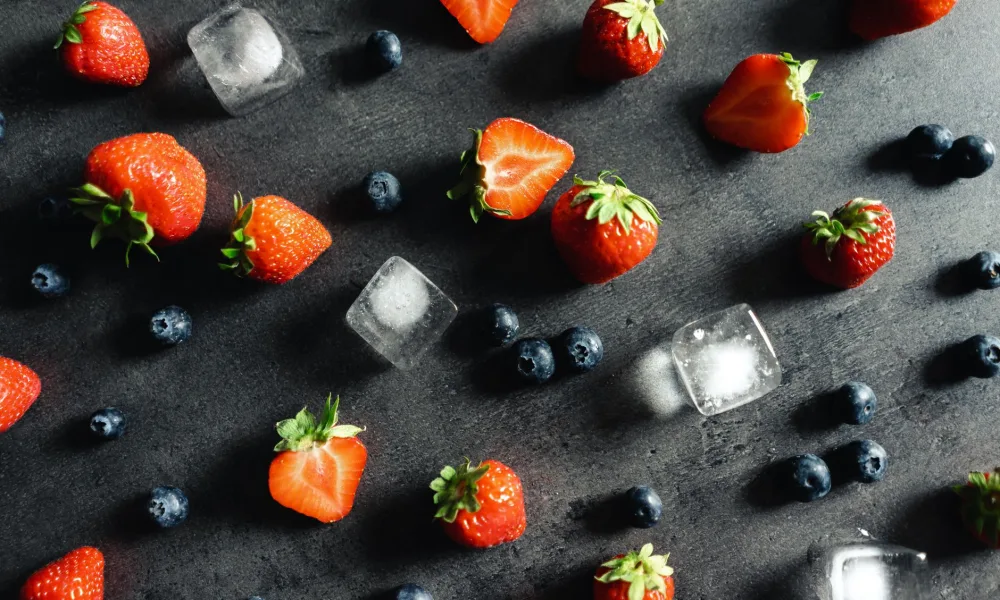
Large ice has one job it does very well: it lasts. A bigger cube has less surface area relative to its volume, so it melts slower in a warm drink or a cooler.
If I am chilling a small cooler for a few hours at a tailgate, I run large all morning. The cubes hold their shape longer and dilute drinks less. Fewer, bigger bullets also pack more densely than a pile of thin shells.
Large is also my pick for spirits. A tall bullet in a glass of bourbon melts at a pace that cools without watering things down in five minutes.
If you want ice for storage rather than immediate use, run large and move each batch to a freezer bin as it drops. The machine keeps cycling, and you build a stash of the slower-melting cubes for later.
The case for small bullets
Small ice wins on speed and volume of usable pieces. A shorter cycle means more batches per hour, which matters when you are filling glasses for a crowd or topping off a pitcher.
Thin bullets also chill a drink faster because more surface area touches the liquid. For iced coffee, soda, or lemonade where you are going to drink it in ten minutes anyway, small is the smarter choice.
I also default to small when the water going in is not perfect. Faster freezing traps fewer minerals, which helps if you are dealing with the kind of buildup I cover in my notes on countertop ice maker upkeep in hard water areas. Clearer, quicker ice is a small consolation when your tap runs hard.
How size affects your daily output
People assume large ice means more ice. It does not. Because large cubes take longer per cycle, you actually get fewer pounds per day on the large setting.
A typical portable unit rated around 26 pounds in 24 hours hits that number on small or medium, not large. Bump to large and real-world output can drop by a few pounds a day because each batch simply takes more minutes.
If daily volume is your priority, run small. I broke the full math down in my piece on countertop ice maker daily ice output, because the rated number on the box rarely matches what lands in your basket.
Large ice is not more ice. It is slower ice that melts slower, and those are different things.
Power and heat, the quiet trade-off
Running longer cycles has a cost you can feel on your power bill and in the room. Most portable makers pull somewhere between 100 and 150 watts while freezing, and large settings keep the compressor working longer per batch.
Over a full day that difference is small, maybe a few cents, but it adds up if the machine runs constantly. It also throws slightly more heat into a small kitchen. For the full picture on consumption I keep a running reference on portable ice maker power draw and running watts.
If you are curious about lowering household energy use in general, the Department of Energy has a solid plain-language resource on home energy saving that applies to any always-on appliance like these.
A common mistake I see
Here is the one that trips people up. They set the machine to large hoping for restaurant-style clear cubes, then get frustrated when the bullets come out hollow and cloudy.
Large does the opposite of what they want. If clarity is the goal, small is your friend, and starting with cold filtered water helps more than any size setting. Warm tap water on large is the recipe for the ugliest, most hollow ice the machine can produce.
Do not leave finished ice sitting in the basket for hours on large expecting it to stay solid. The basket is not refrigerated. Melted water drains back into the tank and gets refrozen, and the cubes clump. Move ice to a freezer if you want it to keep.
Matching size to the situation
After enough batches I settled into a simple routine. The setting follows the job, not the other way around.
- Filling drinks fast for guests: small
- Iced coffee or soda you drink quickly: small
- Everyday mixed household use: medium
- Bourbon, scotch, slow sipping: large
- Packing a cooler for a few hours: large
- Building a freezer stash for later: large
If you are just getting to know your machine, it helps to understand the underlying mechanism first. My overview of how countertop ice makers work explains the prong-and-tray cycle that makes all of this size logic click into place.
Making the call
The size button is a timer dressed up as a feature. Small gives you faster, clearer, higher-volume ice for drinks you finish quickly. Large gives you slower-melting bullets for coolers and spirits, at the cost of a longer cycle and slightly hollower cubes.
Once you stop thinking of large as better and start thinking of it as slower, the choice gets easy. Pick the setting that matches how fast the ice needs to disappear, keep your water cold and clean, and let the machine do its thing.
Frequently asked questions
No, it usually makes less. Large cubes take longer per cycle, so you get fewer batches in a day. If daily volume matters most, run the small or medium setting instead.
A longer freeze gives dissolved air more time to collect in the center of the bullet. That shows up as a hollow or cloudy core. Switching to small and using cold filtered water gives you clearer pieces.
Large ice melts slower because a bigger cube has less surface area relative to its volume. That makes it better for bourbon or a cooler where you want slow dilution. Small ice chills faster but disappears sooner.
It is best to let the current batch finish, then change the setting for the next cycle. Switching mid batch can leave you with oddly formed bullets. The new size applies cleanly from the following batch onward.
No, the Opal makes chewable nugget ice by a different method and has no bullet size toggle. The small versus large question only applies to standard bullet-style portable makers like Silonn, Euhomy, and Frigidaire units.
Small is the better pick for iced coffee. The thinner shells chill the drink quickly because more surface touches the liquid, and you finish the cup before heavy dilution sets in. Large is overkill for a drink you sip fast.

About the Author
Madhu Malhotra
Madhu Malhotra reviews nugget ice makers, countertop units, and portable freezers with a focus on real world durability. Over more than ten years of testing home ice machines she has learned which build details actually hold up, how to keep water lines clean without harsh chemicals, and what the marketing brochures quietly leave out. Her write ups aim to save readers a return trip and a wasted weekend.
Related guides
Countertop Ice Maker Daily Ice Output Explained
Why the 26 lb per day number on the box overpromises, how many batches you really get per hour, and how to size ice to your household.
Countertop Ice Maker Footprint and Weight Compared
Real dimensions and weight of popular portable ice makers, plus the lid clearance nobody warns you about, so one fits your kitchen.
Portable Ice Maker for a Boat Galley or Dock
A weekend running a countertop unit in a cabin galley taught me what actually matters for ice afloat, from power to motion to refills.