
Portable Ice Maker for a Boat Galley or Dock
A weekend running a countertop unit in a cabin galley taught me what actually matters for ice afloat, from power to motion to refills.
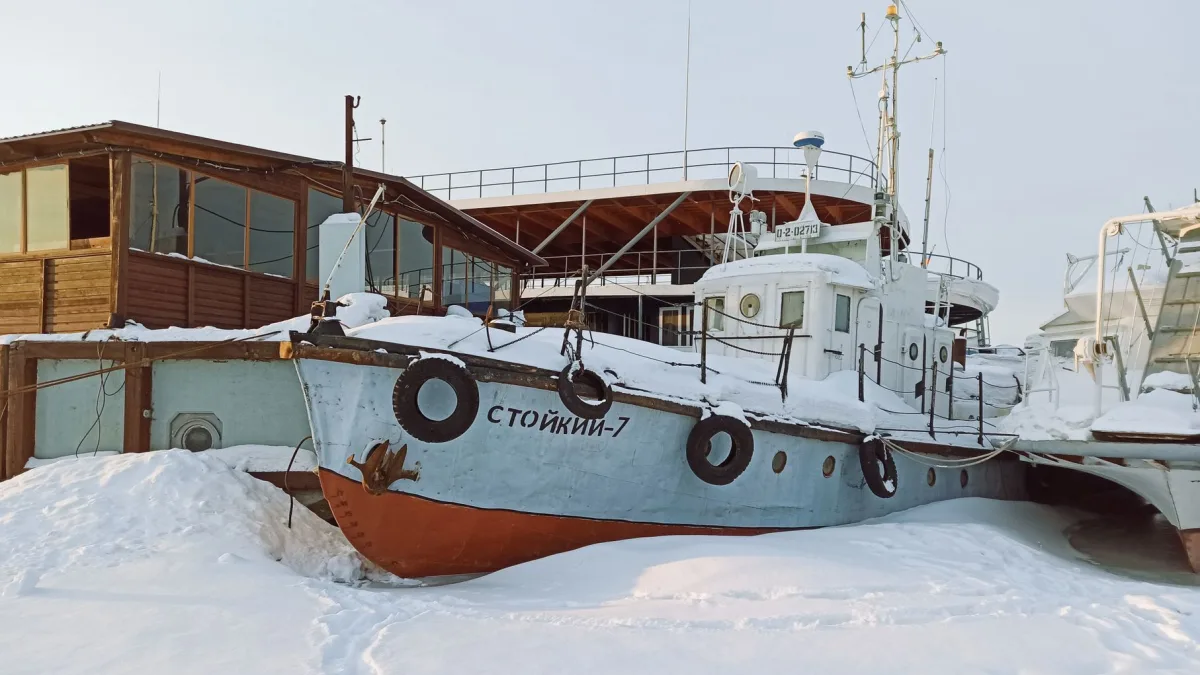
Key takeaways
- Shore power is effortless; on batteries, use a pure sine inverter sized for the compressor surge, not just running watts.
- Secure the unit with shelf liner and a bungee, and stow it whenever the boat moves enough for a cup to slide.
- Fill from a jug of clean drinking water, not the warm onboard tank, so the ice tastes right.
- Drain the reservoir before getting underway so water cannot slosh into the compressor.
- Vent the cabin while running it, since an ice maker adds real humidity to a closed space.
The first time I ran a boat portable ice maker in a friend’s 28-foot cabin cruiser, I made a rookie error. I set the machine on the galley counter, walked up to the cockpit, and forgot about it. Twenty minutes later the boat rocked in a passing wake and my Silonn unit slid a good six inches toward the sink, sloshing water out the fill line.
Nothing broke. But it was a clear reminder that a countertop machine built for a kitchen island does not know it is on the water.
I have since run a handful of these units on boats and docks across two summers. The good news: they work great afloat, with a few adjustments most people never think about. Here is what I learned.
Why a countertop unit fits boat life so well
A nugget-style or bullet-ice countertop maker is small, light, and needs no plumbing. That combination is close to ideal for a galley. My Silonn weighs about 18 pounds empty and takes up roughly the footprint of a toaster, so it stows in a locker when I am done.
These machines pull water from an internal reservoir and drop the first batch of ice in 6 to 9 minutes. There is no drain hose, no water line to tap into, and no ice bin that melts back into a tray. If you have never used one, my primer on how countertop ice makers actually work walks through the refrigeration cycle in plain language.
For a boat, the appeal is simple. You get cocktail ice at the dock or at anchor without hauling bags of cubes that turn into a puddle in your cooler by noon.
Power: shore power, inverter, or nothing
This is the part people underestimate. A portable ice maker is not a low-draw device while it is actively freezing.
Most countertop units draw between 100 and 150 watts on average, but the compressor spikes higher on startup. My Newair pulls about 120 watts running and briefly hits close to 300 watts when the compressor kicks in. That startup surge is what trips undersized inverters.
| Power source | Works? | What to watch |
|---|---|---|
| 30-amp shore power | Yes, easily | Nothing, plug in and go |
| Pure sine inverter, 300W+ | Yes | Size for the compressor surge, not the running watts |
| Modified sine inverter | Sometimes | Some compressors buzz or refuse to start |
| Small 150W inverter | No | Surge trips it instantly |
At the dock on shore power, none of this matters. Plug it into a galley outlet and it behaves exactly like it does at home. The trouble starts at anchor when you are running off the house battery bank through an inverter.
I go deeper on numbers in my breakdown of portable ice maker power draw and running watts, and if you are seriously off grid, the piece on running one off a battery bank covers the amp-hour math. Short version: a 100-amp-hour lithium bank can run one for a few hours, but it is not a set-and-forget appliance on batteries.
Buy a pure sine wave inverter for this. Modified sine power makes some compressors run hot and loud, and a hot compressor on a boat in July is not what you want.

Securing it against motion
After my sliding-machine episode, I got serious about keeping the unit put. A wake, a wave, or another boat’s wash will move anything that is not secured.
Here is what works for me:
- A cheap rubberized shelf liner under the base stops most sliding at the dock or at anchor in calm water
- A single bungee cord across the top, hooked to two cabinet handles, holds it for light chop
- For any real motion, the machine goes off and gets stowed, full stop
The reason motion matters is not just the machine sliding. The water reservoir is open at the top under the lid, and a good roll will slop water into the compressor housing. That is how you kill one of these units.
If the boat is moving enough that a coffee cup would slide, the ice maker is already off and latched in a locker.
Freshwater tank use versus dock water
You fill these from the reservoir, and what you pour in matters more than most people expect. On a boat you have two obvious sources: your onboard freshwater tank and the dock hose.
I avoid the onboard tank water for ice unless I know it is clean and recently filled. Boat water tanks sit warm, often for weeks, and they can pick up a plastic or stale taste that ends up in your ice. If your ice tastes off, my notes on why the first batch tastes off and on fixing a plastic taste both apply directly here.
At the dock, I fill from a jug of bottled or filtered water rather than straight tank water. It is a small thing that makes the ice taste like ice instead of like the inside of a water tank.
Keep a 1-gallon jug of drinking water just for the ice maker. A typical reservoir holds around 60 to 90 ounces, so a gallon gives you two full fills without touching the boat’s tank.
One more thing on water quality: marina dock water is often hard, and hard water leaves scale inside the machine faster than you would think. The USGS explains what water hardness actually is if you want the science. My upkeep guide for hard water areas covers descaling, which you will do more often on a boat than at home.
Humidity in a closed cabin
A cabin is a small, often closed space, and an ice maker adds moisture to it. Every batch involves water sitting warm in the reservoir and cold ice melting slightly in the bin, and both put humidity into the air.
On a humid August afternoon with the cabin buttoned up, I noticed condensation forming on the port lights within an hour of running the machine. Cracking a hatch or running a cabin fan solved it.
If you keep the boat closed up, be aware the ice maker is one more thing raising the dew point in there. It is not a dealbreaker, just something to vent.
Stowing it underway
Running an ice maker while the boat is moving is a bad idea, and I do not do it. The reservoir water will slosh, the machine can slide, and the compressor does not love running at an angle.
My routine before we cast off:
- Turn the machine off and unplug it
- Drain the reservoir using the plug on the underside, so no water sloshes underway
- Wipe the bin dry and prop the lid open a crack so it does not grow a musty smell in the locker
- Stow it low and centered, wrapped in a towel, in a locker that latches
Draining is the step people skip. A full reservoir underway is water waiting to end up somewhere it should not be.
What models actually suit a boat
You do not need anything fancy. Compact bullet-ice units from Silonn, Euhomy, and Newair all work fine, and they run around $90 to $130. I lean toward the smaller ones because a boat galley has no counter to spare.
The heavier nugget machines like the GE Profile Opal make lovely ice, but at roughly 34 pounds they are a lot to wrestle in and out of a locker, and they draw more power. If you are comparing sizes, my rundown of footprint and weight compared lays out the trade-offs. For a boat, lighter and simpler wins.
The Frigidaire EFIC237 is a popular pick, but it is on the larger side. On a small boat I would size down. On a 40-foot trawler with a real galley, it is fine.
Making the call
A portable ice maker earns its locker space on a boat, as long as you respect a few realities it was never designed for. Give it clean water, secure it against motion, run it on shore power or a properly sized pure sine inverter, and drain it before you get underway.
Do those four things and you get fresh ice at the dock and at anchor without a single bag of melting cubes. For me, the first cold drink at sunset with ice I made myself was worth every bit of the fiddling it took to get there.
Frequently asked questions
Yes, through a pure sine wave inverter rated for at least 300 watts to handle the compressor startup surge. A 100-amp-hour lithium bank will run one for a few hours, but it draws steadily, so watch your state of charge. It is best treated as a dock or at-anchor appliance rather than something you leave running all day on batteries.
No, I turn mine off and stow it before casting off. The open reservoir sloshes, the machine can slide across the counter, and the compressor does not run well at an angle. Drain the tank first so no water ends up in the housing.
I use a jug of bottled or filtered drinking water for the best taste. Onboard tank water sits warm for weeks and can pick up a stale or plastic flavor that carries into the ice. Marina dock water is often hard and will scale the machine faster, so descale more often if you use it.
Most compact units hold around 60 to 90 ounces, roughly half to two thirds of a gallon. A single 1-gallon jug gives you about two full fills. Keeping a dedicated jug aboard means you never dip into the boat's freshwater tank for ice.
It adds noticeable moisture in a closed cabin, since warm reservoir water and slightly melting ice both raise the humidity. On a humid day I saw condensation on the port lights within an hour. Cracking a hatch or running a fan clears it easily.
Compact bullet-ice units from Silonn, Euhomy, or Newair are ideal because they are light, around 18 pounds, and small enough to stow in a locker. Heavier nugget machines like the GE Profile Opal make better ice but weigh over 30 pounds and draw more power. For a small galley, lighter and simpler is the better choice.

About the Author
Madhu Malhotra
Madhu Malhotra reviews nugget ice makers, countertop units, and portable freezers with a focus on real world durability. Over more than ten years of testing home ice machines she has learned which build details actually hold up, how to keep water lines clean without harsh chemicals, and what the marketing brochures quietly leave out. Her write ups aim to save readers a return trip and a wasted weekend.
Related guides

Countertop Ice Maker Footprint and Weight Compared
Real dimensions and weight of popular portable ice makers, plus the lid clearance nobody warns you about, so one fits your kitchen.
Portable Ice Makers for RV and Van Life Setups
How a small portable ice maker rides along on a road trip, from securing it while driving to power draw and refills that fit a limited RV water tank.

Fixing a Plastic Taste From Countertop Ice Makers
A room by room fix for lingering plastic taste, from vinegar flush cycles to airing the reservoir, so your bullet ice finally tastes like nothing.