
Running a Portable Ice Maker Off a Battery Bank
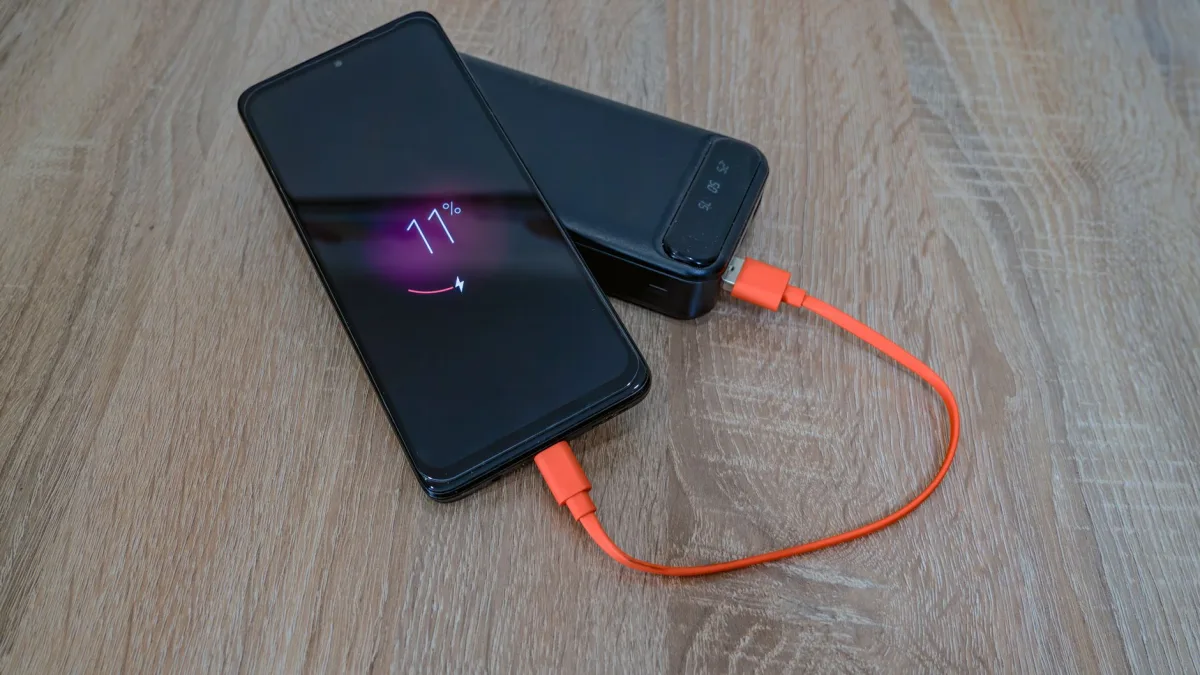
How to run a portable ice maker off a power station without tripping it, plus the watt-hour math that stretches a charge on a camping weekend.
Key takeaways
- Size your power station for the compressor surge, not the running watts, or it will keep shutting off.
- A bullet ice maker draws about 110 watts running, so plan roughly 110 watt-hours per hour plus a 15 percent buffer.
- Use a pure sine wave output rated for at least 1000W continuous with high surge headroom.
- Cold source water, small ice size, and shade all stretch a single charge noticeably.
- Pair a 1000Wh station with a 100W to 200W solar panel to run for days on longer trips.
The first time I tried running my little bullet ice maker off a portable power station, the whole thing shut down inside of five seconds. The station beeped, the ice maker went dark, and I stood there in a campsite feeling pretty dumb. Turns out I had grabbed the wrong power station for the job, and the problem was not the running watts at all.
Getting portable ice maker battery power to actually work is less about the ice maker and more about understanding the startup surge and doing a little math ahead of time. Once you get those two things right, a bullet unit will happily crank out ice next to your tent or in the back of a van.
Here is exactly how I set mine up, the numbers I check before every trip, and the tricks that squeeze more batches out of a single charge.
Why the compressor surge matters more than running watts
A portable ice maker draws two very different amounts of power. There is the running draw, which sits somewhere around 100 to 120 watts while the compressor hums along. Then there is the startup surge, which happens the instant the compressor kicks on.
That surge can spike to 300, 400, even 800 watts for a fraction of a second. It is short, but it is real, and a lot of small power stations or cheap inverters see that spike and shut down to protect themselves. That is the beep I got at the campsite.
If you want the full breakdown of steady-state numbers, I went deep on that in my piece on portable ice maker power draw and running watts. For this guide, just remember the rule: size for the surge, not the average.
The wattage printed on the ice maker label is almost always the running figure. It does not tell you the surge. Assume the real peak is two to three times higher than the label and you will save yourself a dead-battery moment.
What you need: power station, inverter, and cables
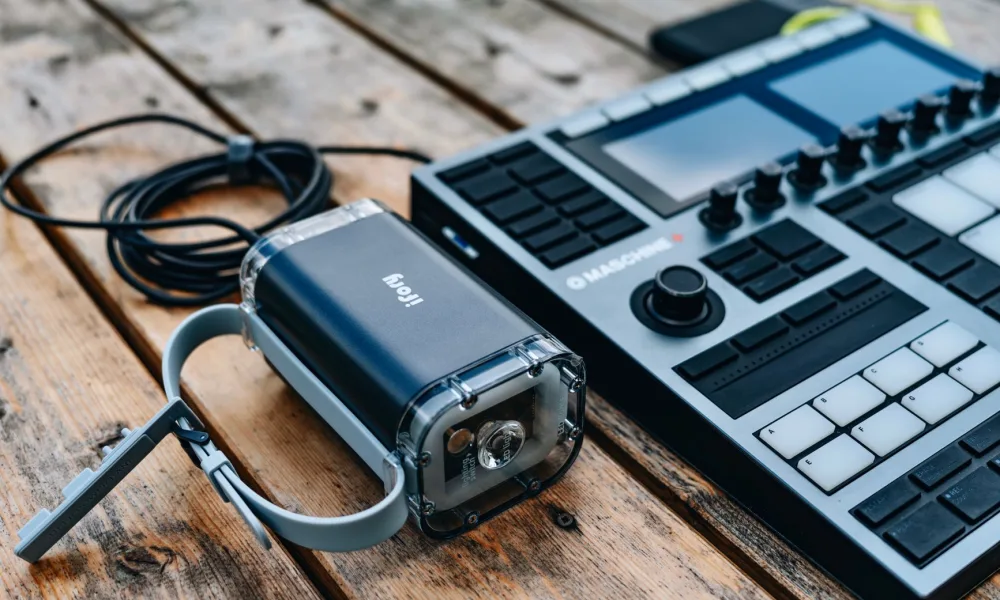
You have two common ways to power a bullet ice maker off grid. The clean option is an all-in-one portable power station like a Jackery, EcoFlow, or Bluetti. The other is a leisure battery (a deep-cycle 12V) paired with a separate inverter.
The power station is simpler because the inverter is built in and the outlet is a normal wall socket. The leisure battery plus inverter setup is cheaper per watt-hour and better if you already run a dual-battery system in a van, which I cover in the RV and van life ice maker guide.
- A power station or inverter rated for at least 1000W continuous, ideally with a surge rating of 2000W or more.
- A pure sine wave output. Modified sine wave can make the compressor run hot or refuse to start.
- The stock power cord from the ice maker. Do not use a long, thin extension cord that adds resistance.
- Enough battery capacity in watt-hours, which we size next.
Sizing watt-hours for a real camping trip
This is the part people skip, and it is the part that decides whether your ice lasts the weekend. Here is the math I actually use.
A typical bullet unit draws around 110 watts while running. On a warm day it runs nearly continuously to keep up, so figure roughly 110 watt-hours per hour of operation. If you want ice for four hours in the afternoon, that is about 440 watt-hours before any losses.
Inverters and power stations are not perfectly efficient. I add a 15 percent buffer for conversion loss and heat, so 440 becomes about 505 watt-hours. Round up.
| Power station size | Approx. run time | Real-world use |
|---|---|---|
| 300 Wh | 2 to 2.5 hours | A short cookout, drinks for a few people |
| 500 Wh | 3.5 to 4 hours | An afternoon at a campsite |
| 1000 Wh | 7 to 8 hours | A full day of steady ice |
| 2000 Wh | 14 to 16 hours | A weekend if paired with solar |
These are honest estimates from my own testing, not lab numbers. Cold ambient temperatures and cold source water push run times up. Hot afternoons drag them down, because the compressor works harder.
Step by step: getting the first batch without a shutdown
- Set the ice maker on a level, stable surface. If it tilts, the compressor oil shifts and the unit can struggle or fault. This is the same rule that matters when you first unbox one, which I get into in the setup mistakes guide.
- Let it sit upright for at least two hours before powering on if it was moved on its side in the car. This lets the refrigerant settle. Skip it and you risk a compressor that will not start cleanly.
- Fill the tank with cold water. Cold water freezes faster and pulls less power per batch. Warm water makes the machine run longer to do the same work.
- Turn the power station on first, then the ice maker. Let the station stabilize before it has to handle the surge.
- Watch the first cycle. If the station trips, you have a surge problem, not a capacity problem. You need a unit with a higher surge rating.
If your power station keeps tripping on startup, try enabling any “X-Boost” or surge mode it has. Many EcoFlow and Bluetti models can briefly deliver extra surge headroom, which is often enough to get a stubborn compressor spinning.
Which machines behave best on battery
Not every bullet maker plays nicely with an inverter. The smaller, simpler units tend to be friendlier because their compressors are modest. A Silonn or Euhomy countertop bullet unit usually starts fine on a 1000W pure sine station.
Larger or fancier machines can be fussier. The GE Profile Opal is a nugget maker, not a bullet unit, and it draws more and runs longer, so it is a poor match for a small battery. A Frigidaire EFIC237 or a Newair bullet unit sits in the middle: doable, but give it surge headroom.
The best off-grid ice maker is a boring one. Simple compressor, no smart features, modest surge. That is the machine that just works at a campsite.
If quiet operation matters at a tent site, the same simple units tend to be the calmest too, which overlaps with what I found testing the quietest countertop ice makers.
Tricks to stretch a single charge
Once your sizing is right, small habits add up to real extra run time. These are the things I actually do on a weekend trip.
- Start with cold water. Ice from a cooler or the morning chill freezes with less compressor time.
- Set the ice size to small. Small cubes freeze faster and use less energy per batch than large ones. I explain that tradeoff in my small versus large ice size guide.
- Keep the machine in the shade. A unit baking in the sun rejects heat poorly and runs longer.
- Move finished ice into an insulated cooler right away rather than letting it melt back into the tank and re-freeze.
- Run big batches during the coolest parts of the day, morning and evening, and coast on stored ice at midday.
That last one is the biggest saver. Making ice at 7am when the air is cool and stashing it in a cooler can cut your afternoon compressor time nearly in half.
Pairing with solar for longer trips
For anything past a single overnight, a solar panel changes the whole equation. A 100W to 200W panel feeding the power station during daylight can roughly offset the ice maker’s daytime draw, so you are effectively making ice on sunshine.
The catch is timing. Solar produces most in the middle of the day, which is also when the ice maker works hardest against the heat. Match your big batches to peak sun and you can run for days on a 1000Wh station plus a panel.
If you care about the energy side of camping gear in general, the U.S. Department of Energy’s Energy Saver resource has a plain guide to inverters and battery basics that pairs well with this.
The mistake I see most often
The single most common error is buying a power station based on the ice maker’s running watts alone. Someone reads “105 watts” on the label, buys a 300W travel station, and cannot understand why it keeps shutting off.
The running watts were never the problem. The compressor surge tripped the inverter every single time it tried to start a cycle. A bigger continuous and surge rating fixes it instantly, even though the average draw is tiny.
The second most common miss is source water temperature. Filling with warm water and then wondering why the battery drains fast. Cold water in, more ice out, less power spent.
Making the call
Running a bullet ice maker off a battery bank is genuinely easy once you stop thinking about average watts and start thinking about the surge and the watt-hours. Pick a pure sine station with real surge headroom, size it for the hours you want, and lean on cold water and shade to stretch each charge.
For a warm weekend of two, a 1000Wh power station and a simple Silonn or Euhomy unit will keep drinks cold without babysitting. If you want to understand what is happening inside the machine while it does all this, my primer on how countertop ice makers work ties the whole picture together. Get the power side right and the ice takes care of itself.
Frequently asked questions
For an afternoon of ice, a 500Wh station gives you roughly 3.5 to 4 hours. For a full day of steady ice, aim for a 1000Wh station. Whatever the capacity, make sure the continuous rating is at least 1000W and the surge rating is 2000W or higher so the compressor can start.
That is almost always the compressor startup surge tripping the inverter. The running draw is low, but the surge can spike to several hundred watts for a moment. Use a station with more continuous and surge headroom, or enable a surge boost mode if your model has one.
Yes, a pure sine wave output is strongly recommended. Compressors can run hot, hum loudly, or refuse to start on modified sine wave power. Most quality portable power stations already output pure sine, but confirm before you buy if you are using a separate inverter.
Expect roughly 7 to 8 hours of run time from a 1000Wh station, accounting for inverter losses. That number climbs in cool weather with cold source water and drops on hot afternoons when the compressor works harder to reject heat.
Yes, and it is a great way to extend a trip. A 100W to 200W panel can roughly offset the daytime draw, so you are effectively making ice on sunlight. Time your biggest batches to peak midday sun for the best results.
It does. Warm water forces the compressor to run longer to freeze each batch, which uses more watt-hours. Filling the tank with cold water freezes faster and gets you more ice per charge, so keep your source water as cold as practical.

About the Author
Madhu Malhotra
Madhu Malhotra reviews nugget ice makers, countertop units, and portable freezers with a focus on real world durability. Over more than ten years of testing home ice machines she has learned which build details actually hold up, how to keep water lines clean without harsh chemicals, and what the marketing brochures quietly leave out. Her write ups aim to save readers a return trip and a wasted weekend.
Related guides
Countertop Ice Maker for Camping and Tailgates
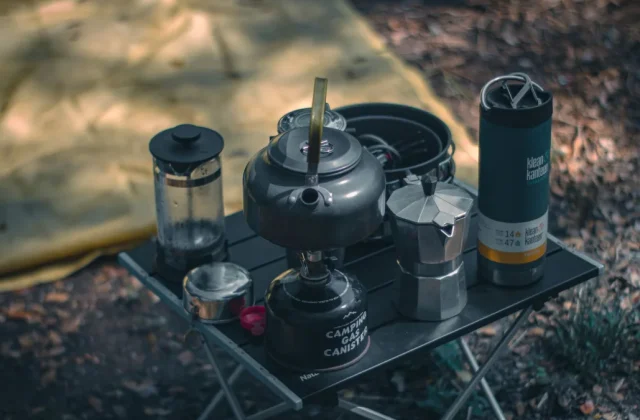
The exact packing and setup checklist I use to run a portable ice maker at a campsite or tailgate without cooking the compressor or blowing a fuse.

Fixing a Plastic Taste From Countertop Ice Makers
A room by room fix for lingering plastic taste, from vinegar flush cycles to airing the reservoir, so your bullet ice finally tastes like nothing.
Self-Cleaning Countertop Ice Makers, What It Does
The self clean button flushes water and vinegar through the pump, but it never scrubs the tray or the mold, so here is what it really cleans.