
Best Ice Maker for Hard Water Areas
I ranked the ice makers that shrug off scale, favoring easy self-clean cycles and filter support so your ice stays clean and your machine keeps up.
Key takeaways
- In hard water, an easy self-clean cycle matters more than raw daily output
- The GE Profile Opal 2.0 is the top pick thanks to its one-button clean and filter support
- The Euhomy nugget maker is the best value option with a semi-automatic clean mode
- Budget bullet-ice machines like the Frigidaire, Newair, and Silonn work if you descale every two weeks
- Running filtered water in through a pitcher slows scale on any machine
The first ice maker I ever killed died of hard water. I lived in a town where the tap ran so mineral-heavy that the kettle grew a white crust in a month, and my cheap countertop machine slowed to a crawl, then quit, inside a year. When I pried it open, the evaporator plate looked like it had been dusted with chalk.
That machine taught me an expensive lesson. If your water is hard, the best ice maker for hard water is not the one with the biggest daily output number. It is the one that makes descaling painless and gives scale fewer places to hide.
Here is how the machines I have actually run stack up when the water fighting them is loaded with calcium and magnesium.
Why hard water is rough on ice makers
Hard water is just water carrying a lot of dissolved calcium and magnesium. When it freezes and thaws over and over inside a machine, those minerals get left behind as scale, a crusty white film that coats the parts doing the cooling.
Scale is an insulator. A coated evaporator plate cannot pull heat out of the water as fast, so batches slow down, the bin fills more slowly, and the compressor runs longer to do the same job. Left alone, that same buildup jams pumps and clogs the little water lines inside.
The USGS explainer on water hardness is the quickest way to check whether your area runs hard. Anything above about 120 mg/L of calcium carbonate is hard, and above 180 is very hard, which is where machines start to suffer.
No ice maker is immune to scale. The models below just make it faster to clean out and slower to build up, which is the whole game when your water is the problem.
How I judged these machines
I cared about three things that a normal spec sheet ignores. Does the machine have a real cleaning cycle you can trigger with a button, or do you have to disassemble it? Does it accept a water filter, either onboard or upstream? And how exposed are the internal parts to scale, meaning how quickly does a coating actually slow it down?
Output and noise still matter, and I note them, but for hard-water homes they take a back seat. A machine that makes 30 pounds a day is useless if it is a scaled brick in ten months.
If you want the broader framework for weighing all these tradeoffs, my guide on how to choose an ice maker lays out the full checklist. This piece narrows that lens to one enemy: minerals.
The quick comparison
| Model | Ice per day | Self-clean cycle | Filter support | Street price |
|---|---|---|---|---|
| GE Profile Opal 2.0 | 24 lbs | Yes, one-button | Yes, side-tank compatible | $450-550 |
| Frigidaire EFIC237 | 44 lbs (bullet) | Manual rinse only | Upstream pitcher | $130-160 |
| Newair Countertop | 50 lbs (bullet) | Manual clean mode | Upstream pitcher | $120-180 |
| Euhomy nugget | 30 lbs | Semi-auto clean | Upstream pitcher | $300-380 |
| Silonn countertop | 45 lbs (bullet) | Manual clean mode | Upstream pitcher | $90-130 |
The Opal is the only one here with cleaning designed in rather than bolted on. That matters more than any single output number when scale is your recurring headache.
1. GE Profile Opal 2.0: the pick for hard-water homes
The Opal is the machine I keep on my own counter, and it is the one I hand to friends who tell me their water is hard. Its cleaning cycle is a single button that runs a solution through the whole system for you, so descaling goes from an afternoon project to a fifteen-minute chore you can walk away from.
Real numbers from my kitchen: it makes about 24 pounds of soft nugget ice a day, draws roughly 150 watts while running, and starts dropping usable pebbles in 15 to 20 minutes from empty. The optional side tank holds a bit over a gallon, and I run a filter pitcher into it so less scale ever reaches the plate.
What earns it the top spot is not speed, it is maintenance. The app nudges me when a clean cycle is due, and the parts you touch during cleaning come apart without tools. If you are also weighing it against the Frigidaire nugget, my full GE Opal versus Frigidaire comparison breaks down where each one lands.
In hard water, run the Opal clean cycle every two to three weeks instead of the monthly default. A short, frequent descale keeps the plate clear and is far easier than chiseling off a thick crust later.
2. Euhomy nugget maker: the value hard-water pick
The Euhomy is the machine I point people toward when they want true nugget ice and a cleaning mode but flinch at the Opal price. It makes about 30 pounds a day, usually sells between $300 and $380, and has a semi-automatic clean function that circulates cleaner through the system with less fuss than the fully manual crowd.
It does not accept an onboard filter, so I run tap water through a cheap pitcher first. That upstream step does most of the work of keeping scale down, and it costs a fraction of the machine.
The tradeoff is build quality a notch below GE and a compressor that is a touch louder during a fresh cycle. For the money, though, you get soft nugget ice and a cleaning routine that will not make you dread maintenance.
3. Frigidaire EFIC237: the budget bullet-ice workhorse
The Frigidaire is cheap, everywhere, and genuinely useful, even though it makes chewable bullet ice rather than soft nugget. For $130 to $160 it cranks out up to 44 pounds a day, and it has a clean mode you run by hand with a vinegar or descaler solution.
There is no onboard filter, so hard-water owners live or die by the pitcher they pour in. Do that, run the clean cycle every couple of weeks, and this machine holds up fine. Skip it, and the little water pump is the first thing to clog.
If the bullet-versus-nugget shape difference is new to you, my breakdown of nugget versus bullet versus cube ice explains why these two textures behave so differently in a glass.
4. Newair and Silonn: the high-output bargains
I group these two because they play the same role: a lot of bullet ice for very little money, with manual cleaning you have to stay on top of. The Newair pushes around 50 pounds a day, the Silonn about 45, and both sell well under $200.
Neither has a smart clean cycle. You pour in a descaling solution, run a clean mode or a plain water cycle, and wipe the reservoir yourself. In hard water that means a standing appointment every two weeks, not a suggestion.
These are the machines for a garage bar, a busy party kitchen, or a first-time buyer testing the waters. Just go in knowing the maintenance is on you. My roundup of the best countertop ice makers under $200 covers where each of these sits against the rest of the budget field.
The mistake that kills these machines early
The single biggest error I see is treating the clean cycle as optional. People buy a machine with a self-clean button, never press it, and act surprised when output halves in six months.
Hard water does not give you a grace period. The scale is building from day one, and a machine that goes three months without a descale in very hard water can lose a third of its speed. That is not a defect, it is chemistry doing exactly what it does.
In hard water, the machine you clean every other week outlives the fancier one you ignore.
The second mistake is skipping a filter to save ten dollars. A basic pitcher filter pulls out a chunk of the minerals before they ever reach the plate, and it improves the taste of the ice as a bonus. For a household plan, the EPA WaterSense resources are a useful starting point on managing your home water.
A quick hard-water buying checklist
- The machine has a real clean cycle, ideally one you trigger with a button
- You can run filtered water in, either onboard or from a pitcher
- Replacement parts and descaler are easy to buy for the model
- You have a standing descale reminder set for every two to three weeks
- You know your water hardness number before you commit
If you are still deciding how much machine you even need before layering hard water on top, my notes on how much ice per day you actually need keep you from overbuying a thirsty unit you will struggle to maintain.
Making the call
For a hard-water home, the GE Profile Opal 2.0 is the machine to get. Its one-button clean cycle and filter-friendly tank make the scale problem manageable in a way no manual-clean budget unit can match, and that is worth the premium when minerals are your real opponent.
Want true nugget for less? The Euhomy is the smart runner-up with a semi-auto clean. Chasing cheap bulk ice and willing to do the maintenance yourself? The Frigidaire, Newair, and Silonn all deliver, as long as you pair them with a pitcher and a calendar reminder.
Buy for how well a machine handles cleaning, not just how much ice it promises, and hard water stops being the thing that ends your ice maker early.
Frequently asked questions
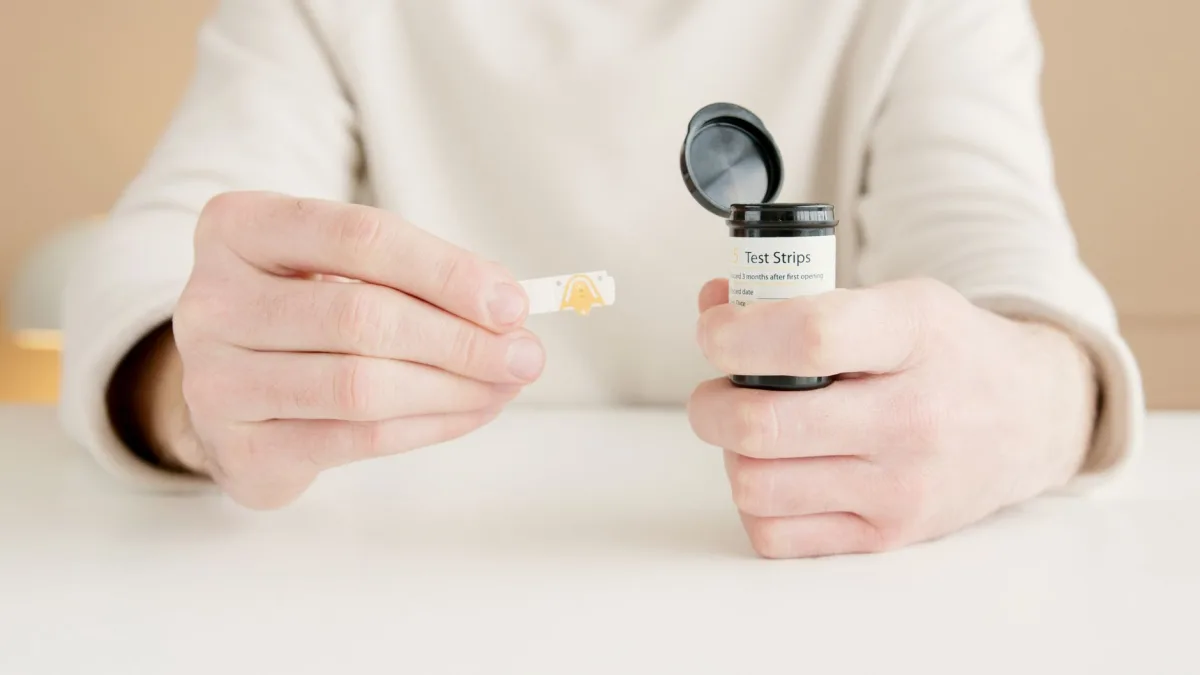
Water above about 120 mg/L of calcium carbonate counts as hard, and above 180 is very hard. You can buy a cheap test strip or check your local water report to find your number. If your kettle or showerhead grows white crust quickly, your ice maker is fighting the same buildup.
Yes, though it does not remove every mineral. A basic pitcher filter pulls out a portion of the calcium and magnesium before it reaches the machine, which slows scale on the cooling parts. It also improves the taste of the ice, so it earns its small cost either way.
Every two to three weeks is a safe rhythm in hard water, rather than the monthly default many manuals suggest. Frequent short cleanings keep the evaporator plate clear and are far easier than removing a thick crust later. Machines with a one-button clean cycle make this painless.
Plain white vinegar diluted with water works well for most machines and is cheap and food safe. Run it through the clean cycle or a manual water cycle, then run one or two plain water cycles afterward to rinse. Always check your model manual first, since a few brands prefer a specific descaler.
For hard water, yes, mostly because of maintenance rather than ice quality. Its one-button clean cycle runs solution through the whole system automatically, and the side tank works with a filter to reduce incoming minerals. Cheaper machines can survive hard water too, but only if you commit to manual cleaning on a strict schedule.
Hard water can leave ice tasting slightly mineral and looking a little cloudier than filtered water ice. The bigger issue is what those minerals do inside the machine over time. Filtering the water in helps both the taste and the health of the unit.

About the Author
Madhu Malhotra
Madhu Malhotra reviews nugget ice makers, countertop units, and portable freezers with a focus on real world durability. Over more than ten years of testing home ice machines she has learned which build details actually hold up, how to keep water lines clean without harsh chemicals, and what the marketing brochures quietly leave out. Her write ups aim to save readers a return trip and a wasted weekend.
Related guides
Best Quiet Ice Maker for Open Kitchens
Ranked by the harvest peak I measured with a decibel meter, so you get cold drinks in an open kitchen without a machine that rules the room.
Ice Maker Cost to Own in the First Year
Add up purchase price, power, water, filters, and cleaning to see what a countertop or nugget ice maker really costs in year one.

How Much Ice Per Day Do You Actually Need
A simple sizing method that turns your household and drink habits into a daily pounds target, then matches it to real machine outputs.