
Nugget vs Bullet vs Cube Ice Makers Compared
Pick the ice style first (chewable nugget, quick bullet, or slow cube), then shop models, so you don't end up with the wrong crunch.
Key takeaways
- Choose the ice style first: nugget for chewing, bullet for cheap volume, cube for slow sipping.
- Nugget machines cost the most and melt fastest, so they are made for drinking soon, not storing.
- Bullet makers are the value pick at $90 to $180 and produce the most ice per dollar.
- Cube ice melts slowest and looks clearest, which is why it suits spirits and plain water.
- Real output runs 15 to 25 percent below the box claim once warm water and a warm room slow the machine.
The first time I brought home a GE Profile Opal, my nephew ate a whole cup of the ice before he touched his soda. That soft, chewable pebble ice is the reason nugget machines have a cult following. But it is not the right ice for everyone, and it is easily the slowest of the three.
The debate over nugget vs bullet vs cube ice makers usually starts with taste and ends with a shocking realization about speed and price. These three machines make wildly different ice, and each one wins a different job.
I have run all three styles side by side on my counter for months. Here is how they actually compare, and how to pick the category before you fall in love with a specific model.
The three ice styles, in plain terms
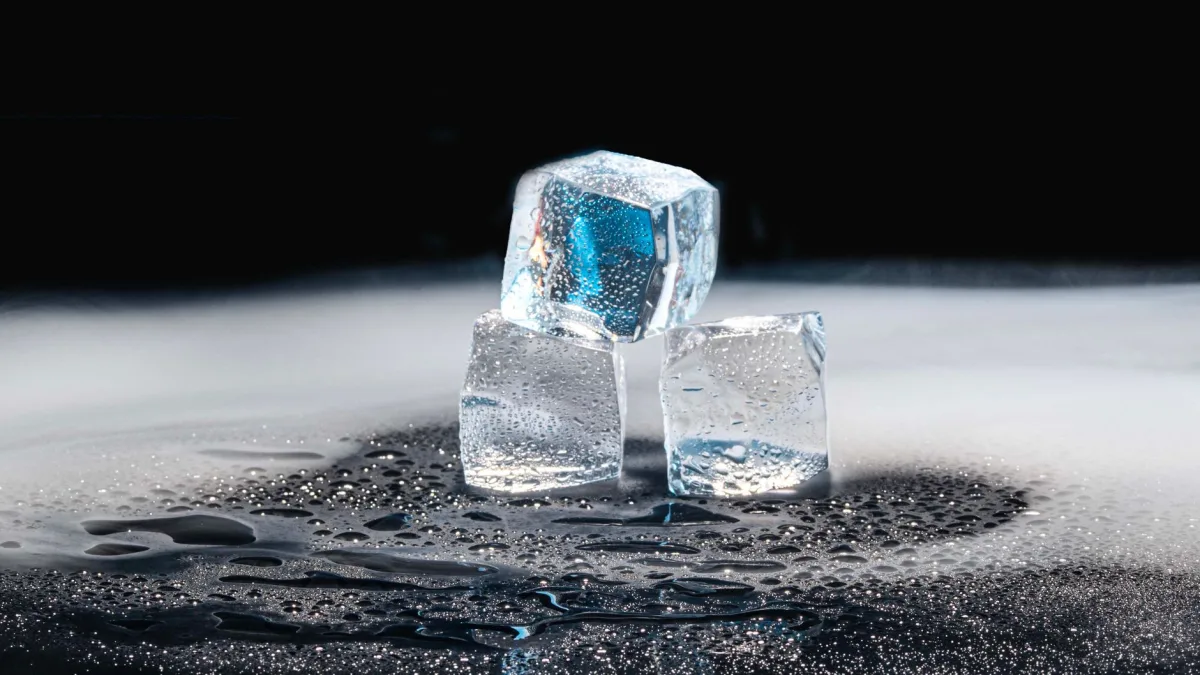
Nugget ice is the small, soft, chewable pellet you know from Sonic and Chick-fil-A. It is made from flaked ice pressed into little nuggets, so it absorbs flavor and crunches without cracking a tooth.
Bullet ice is the hollow, cylinder-shaped cube that most cheap countertop machines pump out. It is fast and cloudy, with a little hole through the middle. Think of the ice in a gas station fountain drink.
Cube ice comes in two flavors here. Budget countertop makers produce a solid or semi-clear square, while pricier ones make the slow, crystal-clear cube you would want floating in a whiskey glass. Cube ice melts slowest and looks the best.
Bullet ice and cube ice both come out of open-basket countertop machines. The difference is the mold shape. Nugget ice needs a completely different machine with an auger, which is why it costs more.
Nugget vs bullet vs cube: the fast comparison
If you only read one section, make it this table. It lines up the tradeoffs I care about most: chewability, how fast you get a batch, price range, and best use.
| Feature | Nugget | Bullet | Cube |
|---|---|---|---|
| Chewability | Soft, very chewable | Firm, crunchy | Hard, not for chewing |
| Time to first ice | 15-20 minutes | 6-10 minutes | 8-15 minutes |
| Daily output | 24-34 lbs | 26-40 lbs | 20-30 lbs |
| Melt speed | Fast | Medium | Slow |
| Typical price | $400-$630 | $90-$180 | $120-$300 |
| Best for | Chewing, sodas, iced coffee | Coolers, big batches, parties | Spirits, water, slow sipping |
The numbers above come from my own testing plus the manufacturer specs. Your real-world output will run lower than the box claims, usually by 15 to 25 percent, because a warm kitchen and warm water both slow every machine down.
Nugget ice: the chewable favorite
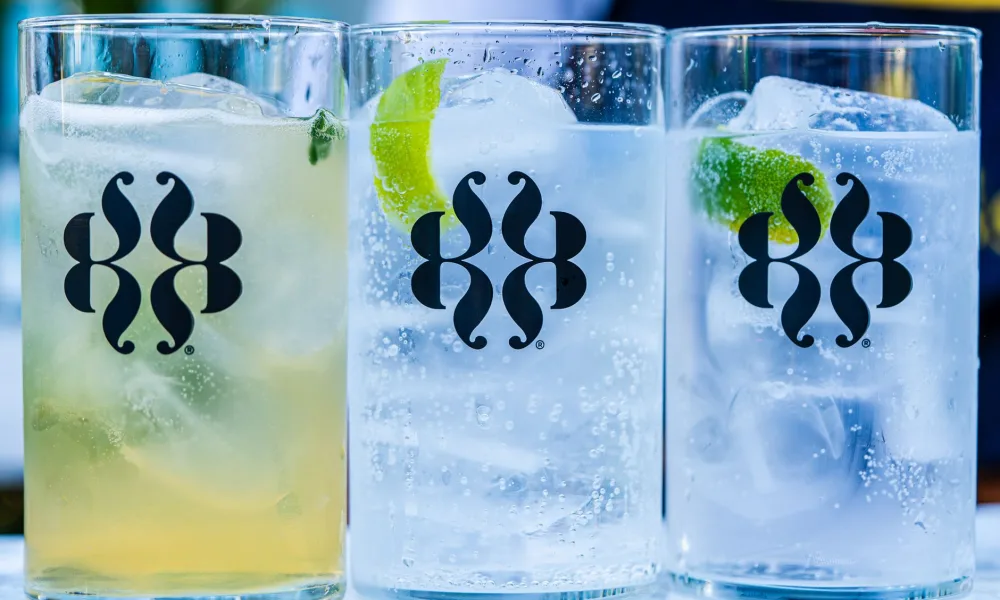
Nugget is the ice people fall in love with. The GE Profile Opal and the Frigidaire EFIC237 are the two names I hear most, and both make that soft pebble that soaks up whatever you pour over it.
The catch is speed and price. A nugget machine like the Opal takes about 15 to 20 minutes for the first batch and pulls around 130 to 175 watts while running. It holds roughly a pound and a half of ice in the bin, and it does not freeze storage, so the ice slowly melts and recycles back into the tank.
That recycling is actually a nice feature. Your ice never fully goes to waste, but it does mean a nugget maker runs more often than you expect. If you want a deeper look at how these two stack up, I compared them closely in my GE Opal versus Frigidaire nugget breakdown.
Nugget ice melts fast, so it is a poor choice for filling a cooler before a long day out. Make it fresh, drink it soon, and let the machine keep cycling.
Nugget also carries the highest running cost of the three because it runs so often. I broke that down in detail in my nugget running cost comparison if you want the dollar math.
Bullet ice: fast, cheap, and thirsty
Bullet ice is what you get from a $100 Silonn, Euhomy, or Igloo countertop unit. These machines are small, light, and fast. You get your first cylinders in about 6 to 10 minutes, and a good one cranks out 26 to 40 pounds a day if you keep feeding it water.
The tradeoff is that bullet ice is hollow and melts quicker than a solid cube. It is cloudy, not clear, and the little hole in the middle means each piece has less mass than it looks. For a big batch to dump into a cooler or a punch bowl, though, nothing beats it for the money.
These units usually hold a small bin of about 1.3 to 1.5 pounds and use a reservoir around 60 to 80 ounces. They do not keep ice frozen either, so ice made in the morning will be a puddle by noon if you leave it in the basket.
Bullet ice is the workhorse: nobody praises it, but it shows up every time you need a lot of ice cheap.
If a low price is your main driver, most of my top budget picks make bullet ice. I ranked them in the best countertop ice maker under $200 guide.
Cube ice: the slow, clear sipper
Cube covers a wide range. On the cheap end, a Newair or a basic countertop maker gives you a solid square that is cloudier and a bit firmer than bullet. On the higher end, dedicated clear-cube machines make that gorgeous transparent block for cocktails.
Cube ice wins on melt time. Because each piece is dense and solid, it dilutes your drink slowly, which is exactly what you want in a bourbon or a glass of water you plan to nurse. It is the wrong ice to chew, so skip it if crunching is your whole reason for buying.
Clear-cube machines are slower and pricier, often $200 to $300 for a countertop model, because they freeze water in layers to push out trapped air. That is the same reason your home freezer trays come out cloudy: fast freezing traps bubbles. The USGS explains how minerals in your water also cloud and scale ice, which is why cube machines especially benefit from filtered water.
How to match the ice to your drink
Pick your ice by what you actually drink most. That single question settles the nugget vs bullet vs cube question faster than any spec sheet.
- Sodas, iced coffee, and chewing habit: nugget wins, no contest.
- Coolers, camping, big parties, cheap volume: bullet is the value king.
- Whiskey, cocktails, and plain water you sip slowly: cube keeps its shape.
- Blended drinks and smoothies: nugget or bullet both crush well.
- A tight budget under $150: bullet, and accept the faster melt.
If you host often and need pounds on demand, output matters more than shape. I sorted the high-volume options in my large families and parties guide, where a fast bullet machine usually beats a slow nugget one.
A common mistake buyers make
The biggest error I see is buying a nugget machine expecting it to fill a cooler for a road trip. Nugget ice melts too fast to store, and the bin is tiny, so you end up frustrated and out $500.
The reverse mistake happens too: someone buys a cheap bullet maker hoping for chewable Sonic ice, then returns it disappointed because bullet ice is hard and hollow. The ice style is not a small detail. It is the whole decision.
Do not judge a machine by its advertised pounds per day alone. A nugget maker rated at 34 lbs and a bullet maker rated at 34 lbs behave completely differently once melt speed and bin size come into play.
Before you buy anything, it helps to work out your real daily need, which I walk through in my guide on how much ice per day you actually need.
Cost and running expense at a glance
Price is where these three really split. Nugget sits highest, cube in the middle, bullet at the bottom. Running cost roughly follows the same order because nugget machines run most often.
A budget bullet maker costs pennies a day to run, often under $3 a month in electricity for average use. A nugget maker like the Opal, cycling constantly, can run $6 to $10 a month depending on your rate and how much you make. The US Department of Energy has good general guidance on cutting appliance energy use that applies to any always-on kitchen gadget.
Whichever style you land on, the buying framework is the same. My full ice maker buyer’s guide walks through capacity, noise, water, and warranty so you can turn a category choice into a specific model.
Making the call
Start with the ice, not the brand. If you or someone in your house is a chewer, pay the premium and get nugget, and accept that it melts fast and runs often. If you just need a lot of cold cheap ice for drinks and coolers, a bullet machine gives you the best pound-for-dollar value on the market. And if your drinks are meant to be sipped slowly, cube ice is worth the slower wait and the clearer look.
I keep a nugget maker for daily chewing and a cheap bullet unit in the garage for parties. That combo costs less than one high-end clear-cube machine and covers every situation I run into. Decide which crunch you actually want, and the model shortlist gets short in a hurry.
Frequently asked questions
Yes, nugget ice is the soft chewable pellet that Sonic and Chick-fil-A serve. It is made from compressed ice flakes, so it crunches easily and soaks up drink flavor. Home machines like the GE Profile Opal and Frigidaire EFIC237 make the same style.
Bullet makers freeze water around metal prongs that dip into a water tray. When the ice releases and the prong pulls out, it leaves a hollow center. That hole makes each piece lighter and quicker to melt than a solid cube.
Solid cube ice melts the slowest because each piece is dense with the least surface area for its size. Bullet ice melts faster since it is hollow, and nugget ice melts fastest of all because it is small and soft. That is why cube is the choice for slow sipped drinks.
No. Nugget ice requires an auger system that shaves and compresses ice, which is why nugget machines start around $400. Cheap countertop makers use open baskets that only produce bullet or cube shapes. If you want true chewable pebble ice, you have to buy a dedicated nugget unit.
A bullet ice maker usually wins for parties because it makes the most ice per dollar and produces batches fast. Nugget machines are slower and hold very little ice at once, so they struggle to keep up with a crowd. For big gatherings, output and speed matter more than the ice shape.
Yes. Hard water with lots of minerals makes cloudier ice and leaves scale that slows any machine over time. Cube makers show cloudiness the most, so filtered water helps clear-cube models the most. All three styles run better and last longer on soft or filtered water.

About the Author
Madhu Malhotra
Madhu Malhotra reviews nugget ice makers, countertop units, and portable freezers with a focus on real world durability. Over more than ten years of testing home ice machines she has learned which build details actually hold up, how to keep water lines clean without harsh chemicals, and what the marketing brochures quietly leave out. Her write ups aim to save readers a return trip and a wasted weekend.
Related guides
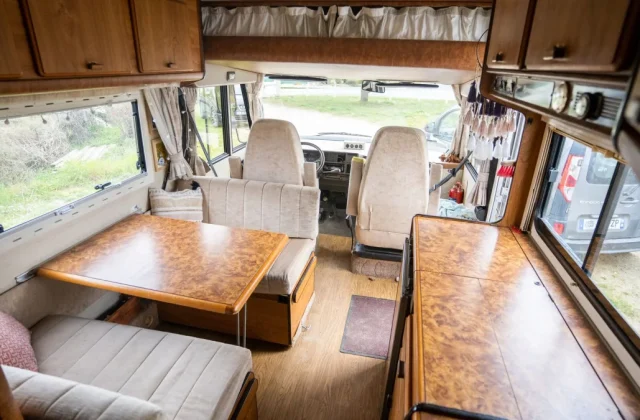
Best Ice Maker for RV and Van Life
A hands-on ranking of three compact portable ice makers for RV and van life, judged on wattage, footprint, and how they handle rough roads and tiny counters.

Ice Maker vs Freezer Trays: Is It Worth It
A straight answer on whether a countertop machine beats plastic trays on speed, volume, ice quality, and real cost for a normal household.
Best Countertop Ice Maker Under $200 Ranked
Four bullet-style countertop units ranked on first-batch time, bin size, and whether they last past the first summer, all under $200.