
How to Clean a Nugget Ice Maker the Right Way
A hands-on routine for the auger, reservoir, chute, and drain plug that keeps chewable nugget ice tasting like nothing at all.
Key takeaways
- Nugget machines need cleaning about twice as often as bullet units because water sits in the reservoir.
- Always drain the reservoir fully and pull the drain plug, since that pooled water grows the smell.
- Run a vinegar cleaning cycle, then two fresh-water rinse cycles, and toss all the ice from both.
- Dry the machine with the lid open before reassembling to stop the smell from coming back.
- Hard water means more scale, so use filtered water and deep clean every two to three weeks.
The first time I pulled the bin out of my GE Profile Opal after skipping cleaning for a month, I found a faint gray film ringing the reservoir where the water sits. The ice still looked fine. It tasted a little off, though, like the inside of a water bottle you forgot in the car.
That is the thing nobody warns you about with these machines. Learning how to clean a nugget ice maker is less about the ice you can see and more about the standing water you cannot, sitting in the tank between batches, slowly growing a friend.
Nugget units run differently from the little bullet makers. There is an auger, a reservoir that stays wet, and warm humid air moving through a chute all day. That combination is why I clean mine more often than any other machine in my kitchen.
Why nugget machines need cleaning more often than bullet units
A bullet or portable ice maker dumps its water and refills on a tight cycle, so less water sits around. A nugget machine keeps a shallow pool in the reservoir almost constantly, and it pushes soft, chewable ice through a metal auger and a plastic chute that never fully dry out.
Warm, wet, and dark is the exact recipe biofilm loves. On a Frigidaire EFIC237 or an Opal, that shows up first as slime on the reservoir walls, then as a mildew smell, then as ice that carries the taste. If you have ever wondered why your ice smells before it looks dirty, that standing water is the answer.
Most nugget owners I know need a light clean every one to two weeks and a deep clean monthly. That is roughly double the pace of a bullet unit, and it tracks with how much wet surface area a nugget machine has.
If you want the bigger picture across every ice maker type, my full step-by-step guide to cleaning an ice maker covers the general rules. This piece stays tight on nugget-specific parts.
What you need before you start
You do not need much, and you almost certainly have most of it. Gather your supplies first so you are not hunting for a brush with wet hands.
- White distilled vinegar, about 1 to 2 cups, or a food-safe ice machine cleaner
- A soft bottle brush or a dedicated nugget cleaning brush (the Opal and EFIC237 both sell one)
- A clean microfiber cloth and a couple of cotton swabs
- Warm water and a drop of unscented dish soap
- A bowl or the sink for the removable parts
Skip bleach for routine cleaning. It is harsh on the plastics and the seals, and rinsing it out completely is a pain. If you are fighting a real mold problem, I walk through the safer approach in my guide to removing black mold from an ice maker.
Step by step: the full nugget cleaning routine
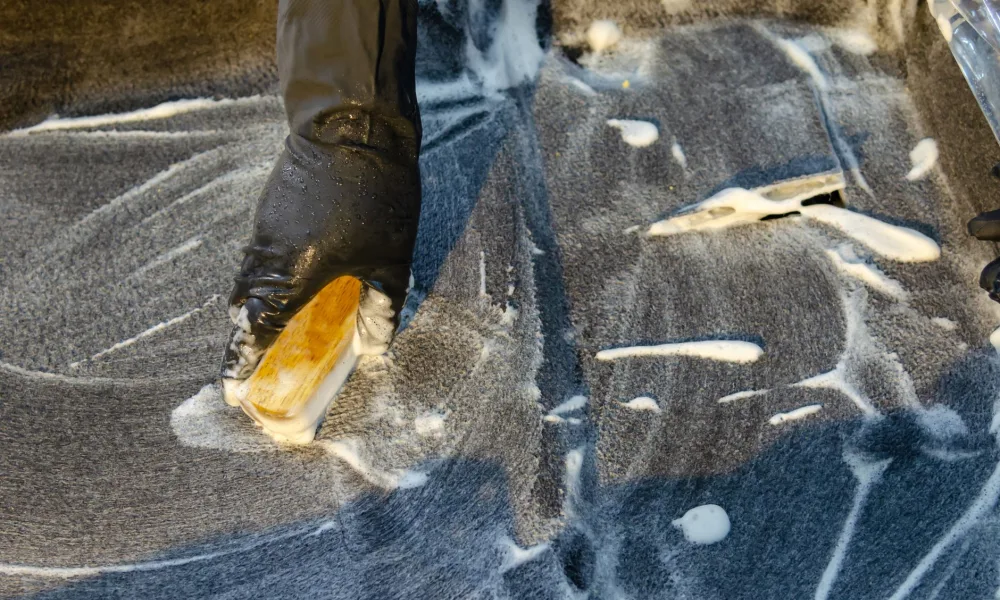
Set aside about 30 minutes for a proper clean, plus drying time. Here is the order I follow every time.
- Unplug the machine and empty everything. Pull the plug, dump the ice bin, and let any ice in the chute melt. Working on a warm machine is easier and safer than fighting frozen parts.
- Drain the reservoir fully. Find the drain plug (on the Opal it is underneath, on the EFIC237 it is at the back base) and let all the old water out into the sink. Do not skip this. Draining is the single most important step, and if you want the thorough version I break it out in my walkthrough on draining an ice maker completely.
- Remove the washable parts. Take out the ice bin, the scoop, and any removable water tank or filter basket. Wash these in warm soapy water, rinse, and set them on a towel.
- Clean the reservoir and the auger area. This is where the film lives. Dip your brush in a 1:1 vinegar and water mix and scrub the reservoir walls, then work the brush gently around the auger and the ice-making chamber. Cotton swabs get the tight corners the brush misses.
- Clear the ice chute. The chute is the tube ice rides through on its way to the bin. Run a damp cloth or the long brush through it. Slime here is what makes fresh ice taste stale within minutes.
- Run a cleaning cycle. Refill the reservoir with the vinegar solution or the machine’s cleaner, plug in, and start the clean cycle if your model has one. The Opal has a dedicated cleaning mode; on machines without one, just run a normal cycle and throw out the ice.
- Rinse, rinse, rinse. Drain the vinegar water, refill with fresh water, and run at least one more cycle. I usually run two rinse cycles because vinegar has a way of hiding in the corners. Toss all the ice from the rinse runs.
- Dry before you reassemble. Wipe everything down and leave the lid open for an hour or two. Reassembling a damp machine invites the smell right back.
Do the vinegar cycle when you can leave the kitchen. The smell is strong going in, but two good rinse cycles clear it completely. If you can still smell vinegar in the ice, run one more rinse.
The parts people forget: drain plug, sensor, and chute
Most owners scrub the bin and call it done. The parts that actually hold the funk are the ones you cannot see at a glance.
The drain plug and seal
Gunk collects right at the drain plug where the water pools deepest. Pull the plug, wipe the seal, and check that it seats cleanly when you put it back. A crusty seal is where a slow drip and a hidden smell start.
The water sensor
Nugget machines use a small sensor to judge water level, and mineral film on it can make the machine misread and overfill or underfill. A gentle wipe keeps it honest. I go deeper in my note on cleaning an ice maker water sensor.
The auger itself
The auger is the heart of a nugget machine, and it is also the part people are most scared to touch.
You do not need to remove it. Just brush around it with your vinegar mix and let the cleaning cycle carry the rest. If ice production has gotten loud or slow, mineral buildup on the auger is often why.
Handling hard water and mineral scale
If you have hard water, you will see chalky white scale build up faster than any slime. That scale is dissolved minerals, mostly calcium and magnesium, and it plates onto the auger and reservoir over time.
The USGS has a plain explanation of water hardness and where it comes from if you want to check your area. In hard-water homes, I move the deep clean up to every two to three weeks and lean on vinegar, since its acidity dissolves scale that soap cannot touch.
| Water type | Light clean | Deep clean with vinegar |
|---|---|---|
| Soft water | Every 2 weeks | Every 4-6 weeks |
| Average water | Weekly to biweekly | Every 3-4 weeks |
| Hard water | Weekly | Every 2-3 weeks |
Filling the reservoir with filtered water instead of straight tap slows all of this down. A cheap pitcher filter is enough to make a real difference in how often you scrub.
The common mistake that brings the smell right back
Here is the one I see most: people do a great clean, then refill and reassemble while everything is still wet, with the lid shut. Trapped moisture in a closed, dark reservoir is the ideal restart for biofilm, so the smell returns within days and the whole effort feels wasted.
Leave the lid open to air out. When you go on vacation or store the machine, drain it fully and let it dry with the lid up. That single habit does more for taste than any fancy cleaner.
How to keep it clean between deep cleans
The best clean is the one you rarely have to do because you stayed ahead of it. A few small habits stretch the time between real scrub sessions.
- Empty the reservoir if the machine will sit unused more than a day
- Wipe the bin and lid dry once a week with a microfiber cloth
- Use filtered water to cut down on scale
- Leave the lid cracked open when the machine is off
- Run a quick vinegar cycle at the first hint of a smell, not after
If you want a full calendar instead of guesswork, my weekly to yearly cleaning schedule lays out exactly what to do and when. For the health side of things, the CDC’s page on healthy water at home is a solid reminder of why any surface touching your ice deserves regular attention.
Making the call on your own routine
Nugget ice is worth the extra care. It is the good stuff, soft enough to chew, and it earns its keep only when the machine behind it stays clean. The routine here takes half an hour and pays you back in ice that tastes like nothing, which is exactly what you want.
Start with a full drain, a vinegar cycle, and two honest rinses. Watch the drain plug, the sensor, and the chute, keep the lid cracked when the machine rests, and match your deep-clean pace to how hard your water runs. Do that, and your Opal or EFIC237 will keep making the ice you actually enjoy, batch after batch.
Frequently asked questions
Plan on a light wipe-down every one to two weeks and a full vinegar deep clean about once a month. If you have hard water or the machine runs constantly, move the deep clean up to every two to three weeks. The standing water in a nugget reservoir means these units need attention more often than portable bullet makers.
Yes, white distilled vinegar is safe and effective for both models. Use a 1:1 mix of vinegar and water in the reservoir, run the cleaning cycle, then run at least two fresh-water rinse cycles afterward. Throw out all the ice made during the cleaning and rinsing runs before using the machine normally.
The usual culprit is trapped moisture or leftover vinegar that never got rinsed out. Run one or two more fresh-water rinse cycles and make sure you cleaned the chute and drain plug, not just the bin. Letting the machine air dry with the lid open before reassembly also clears lingering smells.
No, you can leave the auger in place. Just brush around it gently with a vinegar and water solution and let the cleaning cycle rinse the rest. If the auger has gotten loud or slow, that is usually mineral scale, which vinegar dissolves over a couple of clean cycles.
That chalky white residue is mineral scale, mostly calcium and magnesium from your tap water. It builds up faster in hard-water areas and plates onto the auger and reservoir walls. Vinegar breaks it down, and switching to filtered water slows how fast it returns.
It is fine for short stretches, but water left sitting for more than a day starts growing biofilm and mildew. If the machine will be idle, drain the reservoir and leave the lid cracked open to dry. This one habit prevents most smell and slime problems.

About the Author
Madhu Malhotra
Madhu Malhotra reviews nugget ice makers, countertop units, and portable freezers with a focus on real world durability. Over more than ten years of testing home ice machines she has learned which build details actually hold up, how to keep water lines clean without harsh chemicals, and what the marketing brochures quietly leave out. Her write ups aim to save readers a return trip and a wasted weekend.
Related guides

Ice Maker Cleaning Schedule: Weekly to Yearly
A tiered plan for what to wipe, descale, and sanitize daily, weekly, monthly, and yearly, adjusted for nugget units, portables, and hard water.

How to Run an Ice Maker Cleaning Cycle
The clean button does most of the work, but only if you add the right solution first and know what the blinking lights are actually telling you.
7 Ice Maker Cleaning Mistakes to Avoid
The cleaning habits that ruin ice or wreck the machine, and the safe swap for each one.