Flake Ice vs Nugget Ice: What Sets Them Apart
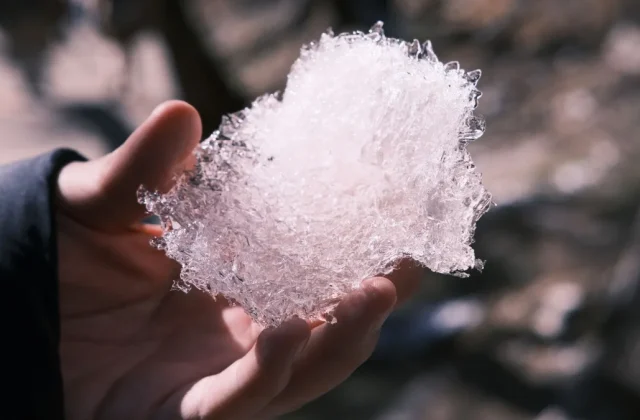
Flake ice is loose and snowy, nugget ice is that same soft ice pressed into chewable pellets. Here is where each one actually belongs.

Try "clean nugget ice maker", "Opal", or "not making ice". Press Escape to close.
Not all ice is the same, and the type you choose changes how a drink tastes and lasts. This section is the friendly primer behind everything else on Frost Nugget. Here we explain how ice makers actually work, why nugget ice chews so softly while clear cubes melt so slowly, and how water quality shapes the final result. You will also find practical uses, from cocktails and cold brew to soothing a sore throat and packing a cooler. If you are new to countertop machines, or you just want to understand the science without a textbook, these guides give you the foundation to make smarter choices.
Flake ice is loose and snowy, nugget ice is that same soft ice pressed into chewable pellets. Here is where each one actually belongs.
Ice shape controls how fast a drink waters down, but off flavors almost always trace back to your water or a dirty machine.
Filtered, tap, or distilled: what actually makes cleaner, better-tasting ice, and exactly what to pour into your countertop machine.
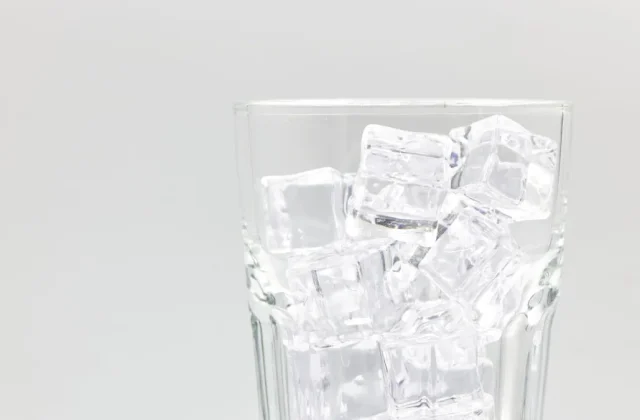
The haze in home ice comes from trapped air and minerals freezing fast, and here is why that rarely matters for a home drink.
The freeze and harvest cycle explained in plain language, plus why nugget machines shave and press flakes instead of freezing whole cubes.
Ice fuses in the bin because pieces melt a little and refreeze into bridges, and nugget ice clumps fastest of all.
Nugget, pebble, and sonic ice are three names for the same soft chewable ice, and here is where each label came from.
The soft chew comes from compacted flakes packed with air and water, not a solid frozen block, so pellets crush instead of crack.