
Flake Ice vs Nugget Ice: What Sets Them Apart
Flake ice is loose and snowy, nugget ice is that same soft ice pressed into chewable pellets. Here is where each one actually belongs.
Key takeaways
- Nugget ice is flake ice compressed into soft pellets, so they share the same chewable base.
- Flake ice is loose and snowy, built to mold around food and chill it fast, but it melts quickly.
- Nugget ice holds flavor and chews soft, which is why home countertop makers all produce it.
- Home machines like the GE Profile Opal make nugget, not loose flake ice.
- Neither soft ice is good for coolers, since both melt faster than a dense cube.
The first time I stood at a good seafood counter and watched the guy shovel a bed of fluffy white ice under the salmon, I thought I was looking at snow. It was soft, it packed easily, and it had no shape to it at all. That was flake ice.
A week later I was at home refilling my GE Profile Opal, catching those little chewy pellets in a cup, and it hit me that the two were cousins. Once you understand flake ice vs nugget ice, you realize nugget is basically flake ice that got compressed into a tidy shape. Same soft, chewable base, two very different jobs.
Let me walk you through what actually separates them, because the differences matter more than they look.
What flake ice actually is
Flake ice is thin, loose, dry-looking ice shaved off a chilled drum or plate. Picture the crunch of a snow cone before any syrup hits it. There is no cube, no pellet, no shape. It is just soft flakes that pile up and pack together.
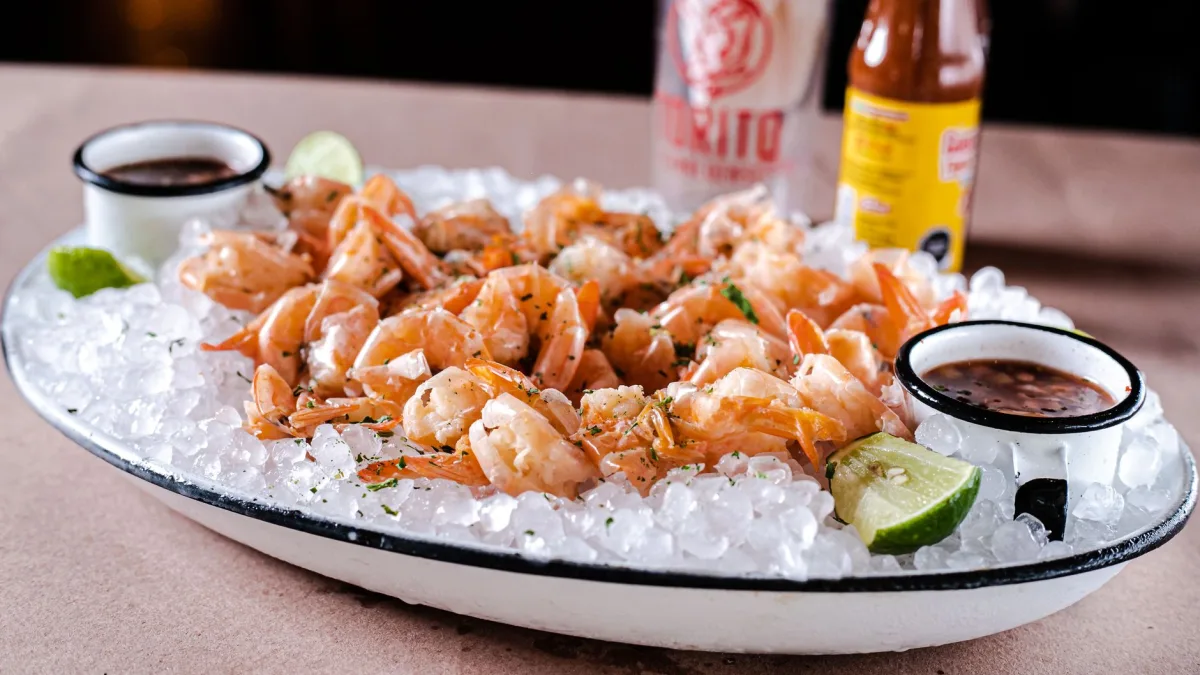
Because it is so thin and packs with almost no air gaps, flake ice grabs onto whatever it touches and chills it fast. That is why you see it under fish, in salad bars, on oyster displays, and in hospital ice machines. It molds around an object and covers the whole surface.
The trade-off is that flake ice melts quickly. All that surface area that makes it chill so well also makes it give up its cold in a hurry. A bed of flake under seafood might need topping off through the day.
What nugget ice actually is
Nugget ice starts life as flake ice. The machine shaves soft flakes, then forces them through a die that compacts them into small cylindrical pellets, roughly the size of a pencil eraser stack. If you want the longer version of why those pellets stay so tender, I broke it down in why nugget ice chews so soft.
So nugget ice is denser than a single flake but still riddled with tiny air pockets and trapped water. That is the secret to the chew. Bite a nugget and it crushes instead of cracking a filling. This is the ice people fall in love with at Sonic and Chick-fil-A, and the reason countertop machines like the Opal exist at all.
Nugget also drinks up flavor. Those little pores soak up soda or cold brew and hold it, so the last few pellets in your cup still taste like the drink. If you have ever wondered whether the ice itself changes flavor, I get into that in how ice type changes a drink.

Flake ice vs nugget ice at a glance
| Trait | Flake ice | Nugget ice |
|---|---|---|
| Shape | Loose flakes, no form | Soft compacted pellets |
| Density | Low, snowy | Medium, chewable |
| Best at | Molding around and chilling food fast | Chilling drinks, chewing, soaking up flavor |
| Melt speed | Fast | Slower than flake, faster than a cube |
| Typical home machine | Rare at home | GE Profile Opal, Frigidaire EFIC237, Silonn, Euhomy, Newair |
| Where you see it | Seafood counters, salad bars, hospitals | Sonic, Chick-fil-A, home countertop makers |
How the machines differ
A commercial flake machine is a fairly simple thing. Water freezes on a cold surface, a blade or auger shaves it off, and the flakes drop into a bin. No die, no shaping step, so the ice comes out loose.
A nugget machine adds the compression step. Countertop units like the GE Profile Opal, the Frigidaire EFIC237, and cheaper models from Silonn, Euhomy, and Newair all follow the same idea: shave soft ice off a chilled cylinder with an auger, then push it through a die to form pellets. If you want the full mechanical story, I laid it out in how ice makers actually make ice.
The Opal pulls somewhere around 100 to 150 watts while it runs and makes roughly a pound of nugget every 20 minutes once it is up to speed, landing near 24 pounds a day. Its tank holds about 100 ounces, so a full fill gets you through several cups before you refill. Flake machines, by contrast, are usually built for volume and rarely show up in a home kitchen.
Almost every countertop “nugget” machine you can buy for home use makes nugget, not loose flake. If a listing promises flake ice for your kitchen, read the reviews closely before you trust it.
Where each one earns its keep
Flake ice wins any time you need to cover and chill something that is not a drink. Fresh fish on ice stays cold because the flakes wrap around every curve. The same goes for produce displays and, importantly, medical settings where a soft, moldable ice is easy on the body.
Nugget ice wins for drinking and chewing. It cools a soda fast, it does not water everything down the instant it lands, and it is gentle enough that people chew it by the cupful. That chewability is also why folks compare it to Sonic and pebble ice, which I sorted out in nugget vs pebble vs sonic ice.
Flake ice hugs your food, nugget ice rides in your cup.
There is overlap in the soft-and-chewable camp, but the shape decides the use. Loose ice for surfaces, pelleted ice for glasses.
A mistake I see people make
The most common mix-up is expecting a home nugget machine to spit out that loose, snowy flake you saw on the seafood counter. It will not. The whole point of a machine like the Opal is the die that compresses flakes into pellets, so you get nugget by design.
The second mistake is treating soft ice as long-lasting. Both flake and nugget melt faster than a dense cube because they carry so much surface area and trapped water. If you are packing a cooler, neither is your friend, and I explain the better choices in the best ice for coolers.
For a countertop nugget maker, use filtered water and dump the reservoir every couple of days. Standing water in the tank is the number one cause of funky-tasting pellets, and it is easy to prevent.
Which soft ice is right for you
If you are shopping for your kitchen, the honest answer is that you almost certainly want nugget, not flake. Flake machines are commercial gear built for chilling food and stocking displays, and they are loud, big, and thirsty. Nugget makers are the ones sized for a countertop.
Here is a quick gut check before you buy anything:
- Do you want ice for drinks and chewing? Go nugget.
- Do you want to bed down fish or chill a big salad spread? That is a flake job, and usually a commercial one.
- Do you care about soft ice that will not chip a tooth? Both qualify, and I get into the dental side in whether chewing ice hurts your teeth.
Water quality matters for either one, since soft ice with trapped water can carry off-flavors. Sticking with clean, filtered water is the simplest fix, and the same food-safety habits that keep any home ice clean apply here, which the FDA covers in its food safety guidance.
Making the call
Flake and nugget are two takes on the same soft ice. Flake is the raw, loose version that molds around food and chills it fast but melts in a hurry. Nugget is that flake pressed into pellets you can chew, hold flavor in, and drop in a glass.
For a home kitchen, nugget is the practical pick, and a machine like the GE Profile Opal or a budget Silonn will get you there for the price of a nice dinner out. If you are still figuring out how all the ice types relate, my rundown on the different types of ice ties flake, nugget, cube, and crushed together in one place. Pick the shape that matches the job, and you will never stand at a seafood counter confused again.
Frequently asked questions
Pretty much. A nugget machine shaves soft flake ice off a chilled surface, then forces those flakes through a die that packs them into small pellets. The base ice is the same soft, air-filled stuff, just pressed into a chewable shape.
Not easily. Loose flake ice comes from commercial machines built for chilling food and stocking displays. Countertop makers sized for a kitchen, like the GE Profile Opal, make nugget instead because they add a compression step.
Flake melts faster. Its thin, loose form has more surface area exposed to air, so it gives up its cold quickly. Nugget is denser, so it lasts a bit longer, though both melt faster than a solid cube.
Flake ice molds around every curve of a fish and covers the whole surface with no gaps. That close contact chills the food fast and evenly. Its soft texture also will not bruise or puncture delicate items.
Yes, for most people. Nugget pellets stay put in a glass, soak up the drink flavor, and are easy to chew. Loose flake would pack down and melt into the drink much faster.
The ice itself tastes the same if you use the same water. Any difference comes from your water source and how clean the machine stays. Nugget can seem more flavorful in a drink because its pores hold onto whatever you pour over it.

About the Author
Madhu Malhotra
Madhu Malhotra reviews nugget ice makers, countertop units, and portable freezers with a focus on real world durability. Over more than ten years of testing home ice machines she has learned which build details actually hold up, how to keep water lines clean without harsh chemicals, and what the marketing brochures quietly leave out. Her write ups aim to save readers a return trip and a wasted weekend.
Related guides

Best Ice for Cocktails at Home
Match the ice shape to the drink and you control dilution, chill, and how long the pour holds up in the glass.
Does Ice Type Change How a Drink Tastes?
Ice shape controls how fast a drink waters down, but off flavors almost always trace back to your water or a dirty machine.

Ice for a Sore Throat or Nausea
Soft nugget ice soothes a raw throat and settles a queasy stomach without the jaw-jarring crunch of hard cubes. Here is when it wins.