
Ice Maker Buying Mistakes to Avoid
The traps that sink most ice maker purchases, from batch counts that lie to bin melt nobody warns you about, with real models to steer by.

Key takeaways
- Buy on 24-hour output, not the flashy per-batch number on the box.
- Countertop bins are insulated, not refrigerated, so ice melts and recycles rather than waiting for you.
- Skip nugget and save hundreds if your ice mostly cools drinks instead of getting chewed.
- Factor in wattage, water hardness, and warranty before price, since those decide how long the machine lasts.
- Size the machine to your busiest day and your real counter space, not the average day.
A friend texted me last summer from the middle of a warehouse store aisle. She had two ice maker boxes in her cart, both promising “26 lbs of ice,” and she wanted to know which to grab before the sample lady moved on. I asked her one question: is that 26 pounds per day, or per something else? Silence. She didn’t know, because the box didn’t really say.
That single fuzzy number is where a lot of ice maker buying mistakes begin. Marketing loves a big round figure, and it will happily bury the part that actually matters to you.
I have run more than a dozen of these machines on my counter, from a $90 bullet unit to a GE Profile Opal, and the errors below are the ones I see people make again and again. Most of them cost real money or real freezer space.
Mistake 1: Trusting the batch count instead of 24-hour output
Almost every countertop bullet maker advertises a per-cycle number. It spits out 9 bullets every 7 to 15 minutes, and someone multiplies that into a heroic daily total that assumes the machine never rests and the room stays at 60 degrees.
Real life is warmer. A Silonn or Euhomy bullet unit that claims 26 lbs a day will give you closer to 18 to 20 in a 75-degree kitchen, and less if you keep opening the lid. A GE Profile Opal is rated around 24 lbs per day but realistically lands near 20 for nugget, because nugget ice takes longer to form than a hollow bullet.
Look for the 24-hour production spec, not the batch time. If a listing only brags about a 6-minute first batch, that is a tell that the daily number is unflattering.
I dig into which numbers are honest and which are theater in my breakdown of the ice maker specs that actually matter, and it pairs well with a realistic look at how much ice per day you actually need. Buy for your worst day, a party or a heat wave, not the average Tuesday.
Mistake 2: Ignoring bin melt
Here is the one nobody tells you at the register. Almost no countertop ice maker keeps ice frozen. The bin is insulated, not refrigerated, so the ice slowly melts and the water drains back to be refrozen.
That means the “storage” number is close to fiction if you are not using the ice fairly soon. A machine with a 2.5 lb bin will not hand you 2.5 lb of ready ice hours later. Nugget ice melts faster than bullet ice because it is softer and has more surface area, so an Opal bin that reads full at 9 a.m. can be half water by lunch.
The bin holds ice for now, not for later. Plan around production, not storage.
If you need ice waiting for you, you want a machine that recycles meltwater cleanly and produces fast, or you scoop into a freezer-safe bag and store it in your actual freezer. I go deeper on melt behavior when I compare nugget, bullet, and cube ice makers, because the ice shape changes how long a bin lasts.

Mistake 3: Overspending on nugget when bullet would do
Nugget ice is wonderful. It chews soft, it soaks up drink flavor, and once you have had it at home you understand the cult. It is also expensive: a GE Profile Opal runs $500 to $600, and a Frigidaire nugget unit sits in the same neighborhood.
A bullet maker like a Newair, Igloo, or Silonn costs $90 to $150 and makes ice in a fraction of the time. If your ice mostly goes into water bottles, coolers, or lemonade, bullet ice does the job for a quarter of the price.
Ask yourself who eats the ice. Households that crunch ice by the handful love nugget. Households that just want cold drinks rarely notice the difference after a week.
Before you spend Opal money, read my buyer’s guide to choosing an ice maker and be honest about whether you are buying a treat or a tool. Both are fine. Confusing them is the costly part.
Mistake 4: Skipping the wattage and running-cost math
People fixate on the sticker price and forget the machine plugs in and runs for hours. A bullet maker pulls roughly 100 to 120 watts while making ice. A nugget machine like the Opal draws more and runs longer to keep the bin topped up, so it uses meaningfully more electricity over a month.
It is not a scary number, usually a few dollars a month, but it adds up over a summer and it varies a lot by how hot your kitchen runs. The U.S. Department of Energy’s Energy Saver guidance is a decent primer on how appliance runtime turns into dollars.
| Type | Typical watts (making ice) | Rough daily run | Relative running cost |
|---|---|---|---|
| Bullet countertop | 100-120 W | 3-6 hrs | Lowest |
| Nugget countertop (Opal) | 150-175 W | 8-12 hrs | Highest |
| Small cube portable | 110-130 W | 4-7 hrs | Low to mid |
I run the real yearly numbers in my nugget ice maker running cost comparison if you want to see how a nugget habit shows up on the power bill.
Mistake 5: Forgetting about your water
The ice is only as good as the water, and hard water is the quiet killer of these machines. Mineral scale builds up on the freeze plate and in the pump, and within a few months a neglected machine makes smaller, cloudier ice and runs louder.
If you live somewhere with hard water, and much of the country does, you either filter your fill water or you commit to descaling every few weeks. The USGS has a clear explainer on water hardness by region if you are not sure where you land.
Do not buy the cheapest machine you can find if your water is hard. A $90 unit with a fussy pump and no easy-clean cycle will die faster than a machine designed with descaling in mind.
My guide to the best ice maker for hard water areas covers which units shrug off scale and which ones do not. This is the mistake that turns a one-year appliance into a three-month one.
Mistake 6: Buying for the wrong spot in your home
A machine that is perfect on a spacious counter is miserable in an RV, and vice versa. Countertop makers need airflow around the vents, a nearby outlet, and a spot where the pump hum will not drive you up the wall at 11 p.m.
Check the footprint and the vent clearance before you fall in love with a model. An Opal is bigger than people expect, roughly the size of a small microwave, and it needs a few inches of breathing room on the sides.
- Measure the counter depth, not just the width
- Confirm there is an outlet within reach of the short cord
- Leave 3-4 inches of clearance around the vents
- Think about noise if the machine sits in an open kitchen
For tight spaces and travel, my notes on the best ice maker for RV and van life point you toward compact, low-draw units that behave on a rough road and a small breaker.
Mistake 7: Overlooking the warranty and the parts you will replace
These are small appliances with pumps, fans, and sensors, and some of them fail in year two. A one-year warranty on a $500 nugget machine is thinner comfort than a one-year warranty on a $100 bullet unit, simply because the repair or replacement stings more.
Some brands stand behind their machines better than others, and a few sell replacement pumps and cleaning kits so you can keep an out-of-warranty unit alive. That matters more than an extra pound of daily output.
I lined up the fine print in my ice maker warranty comparison by brand so you can weigh coverage before you buy, not after something rattles.
Where this leaves you
Most of these mistakes come from reading the box instead of reading your own life. The batch count, the bin size, the nugget hype, they all sound great until you match them against how, where, and how often you actually use ice.
Start with your real daily need and your water quality. Then pick the ice shape you like, size the machine to your worst day, and check that the warranty and running cost fit the price you are paying. Do that, and the machine you carry home will still make you happy next summer, which is more than most impulse buys can promise.
Frequently asked questions
Not always, and that is the trap. The big number is usually a theoretical 24-hour total measured in ideal cool conditions, so expect 20 to 30 percent less in a warm kitchen. Look specifically for the 24-hour output spec rather than the batch time.
Almost every countertop ice maker has an insulated bin, not a refrigerated one. The ice slowly melts, and the meltwater drains back into the reservoir to be refrozen. That is normal, so plan to use the ice soon or move it to your freezer for storage.
It depends on who is eating it. Nugget ice is soft, chewable, and soaks up flavor, which is why people love it in drinks. If your ice mostly cools water bottles or fills coolers, a bullet maker at a quarter of the price does the same job.
Quite a lot over time. Mineral scale builds up on the freeze plate and pump, which shrinks ice size, clouds the ice, and makes the machine louder. In hard water areas you either filter the fill water or descale every few weeks to keep it running.
For most bullet units it is only a few dollars a month, while a nugget machine like the Opal runs longer and costs more. The exact figure depends on your electricity rate and how hot your kitchen is. Warmer rooms make the machine run more, which raises the bill.
Buying on the biggest advertised number without checking whether it is realistic daily output. That one habit leads to undersized machines, disappointment on party day, and overspending on features you do not use. Match the specs to your actual routine first.

About the Author
Madhu Malhotra
Madhu Malhotra reviews nugget ice makers, countertop units, and portable freezers with a focus on real world durability. Over more than ten years of testing home ice machines she has learned which build details actually hold up, how to keep water lines clean without harsh chemicals, and what the marketing brochures quietly leave out. Her write ups aim to save readers a return trip and a wasted weekend.
Related guides
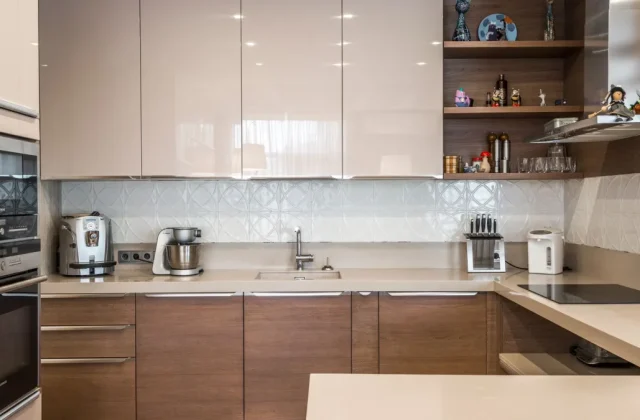
Undercounter vs Countertop Ice Maker Buying Help
The real gap between a plumbed built-in and a plug-in counter unit is install cost and drainage, not just how much ice you get.
Ice Maker Warranty Comparison by Brand
What each brand's warranty actually covers, how long it lasts, and where support quietly leaves you holding a $40 pump.
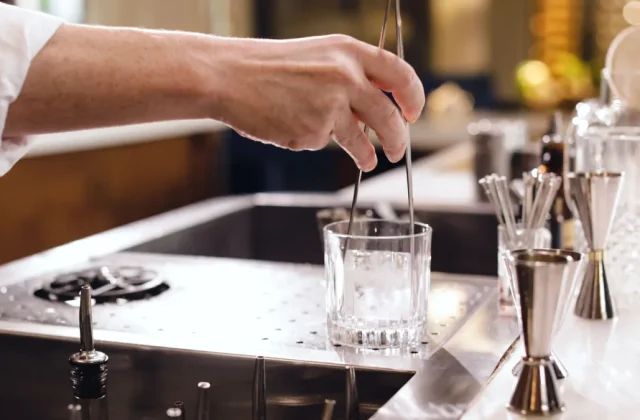
GE Opal vs Frigidaire Nugget Ice Maker
Two popular nugget machines, one countertop. Here is how the GE Opal 2.0 and the Frigidaire EFIC237 actually compare on output, tank, app, noise, and price.