
Choosing an Ice Maker for a Small Apartment
How one couple in a 600 square foot apartment weighed footprint, noise, and output to pick a compact unit over the Opal.
Key takeaways
- Measure counter width, depth, and cabinet height before shopping, then add two inches of clearance for airflow.
- In a shared small space, noise pattern matters more than raw noise level; bullet machines that pause beat nugget units that hum nonstop.
- Most compact machines make far more ice than a couple needs, so daily output is rarely the real constraint.
- Name your single dealbreaker and refuse to trade it away for a nice-to-have feature.
- The Opal's 17.3 inch height often loses to compact bullet units in apartments with low cabinets.
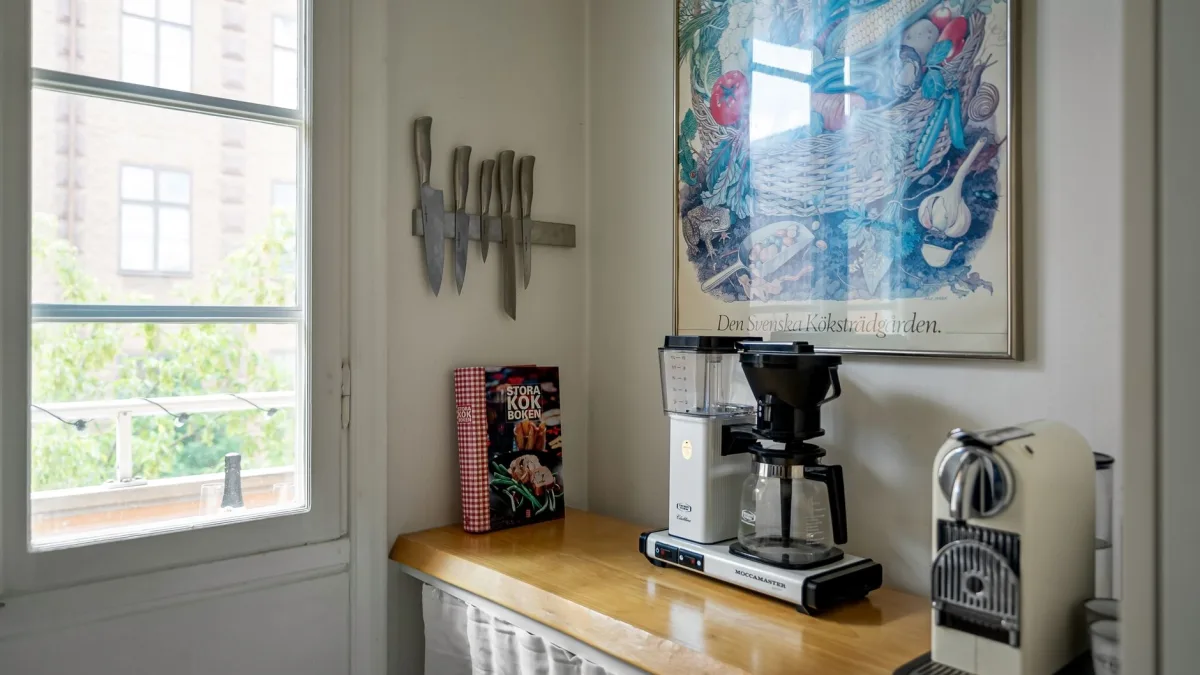
My friends Dana and Marcus live in a 600 square foot one-bedroom, and their kitchen counter is maybe four feet of usable space total. Half of that is already taken by a coffee maker and a dish rack. When they asked me to help them buy an ice maker for their small apartment, the first thing I did was pull out a tape measure, not a spec sheet.
They wanted good ice for cocktails and iced coffee. They also did not want a machine that hummed like a mini fridge while they watched TV six feet away. Those two goals pulled in different directions, and that tension is exactly what this case study is about.
Here is how we worked through it, what almost tripped them up, and why they walked past the machine everyone recommends first.
The starting wish list: nugget ice and a quiet room
Dana had tried nugget ice at a friend’s place and was sold. That soft, chewable pebble ice is the reason the GE Profile Opal has a cult following. So the obvious starting point was the Opal 2.0.
Marcus had one hard rule though. Their living room and kitchen are basically one space, so any noise carries. He works from home and takes calls at the counter. A machine that clatters every few minutes was a non-starter for him.
So we had two anchors: nugget ice preference and a low tolerance for noise. If you are still sorting out your own must-haves before shopping, the full buyer’s guide to choosing an ice maker walks through how to rank them.
Measuring the counter first, not last
This is where most people go wrong. They fall in love with a machine online, then discover it does not fit under the cabinet or blocks an outlet.
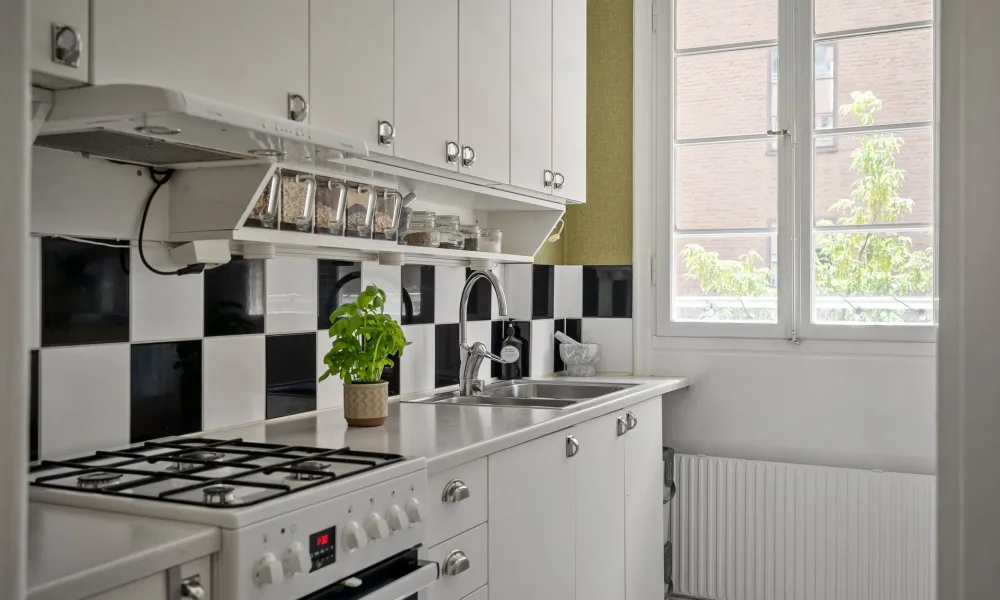
Dana and Marcus have exactly 15 inches of clear counter depth before the backsplash, and the upper cabinet sits 16 inches above the counter. That cabinet clearance killed a few options immediately.
Measure height, width, AND depth, then add two inches of breathing room on top and at the back. Most of these machines vent heat from the rear and need airflow, or they run longer and warmer.
The GE Profile Opal is about 17.5 inches wide, 10.5 inches deep, and 17.3 inches tall. That last number was the problem. At 17.3 inches, it would not clear their 16 inch cabinet gap. It physically did not fit where they wanted it.
The Opal versus the compact contenders
Once the Opal was out on height alone, we lined up three machines that fit the space. Here is how they compared on the numbers that mattered to this couple.
| Model | Ice type | Height | Daily output | Reservoir | Rough noise |
|---|---|---|---|---|---|
| GE Profile Opal 2.0 | Nugget | 17.3 in | Up to 24 lb | Tank plus side kit | Noticeable hum |
| Frigidaire EFIC237 | Bullet | ~14.5 in | Up to 26 lb | ~90 oz | Moderate |
| Silonn compact | Bullet | ~12.5 in | Up to 26 lb | ~64 oz | Quieter |
| Euhomy nugget compact | Nugget | ~15 in | Up to 30 lb | ~84 oz | Moderate hum |
The Euhomy nugget unit was tempting because it kept the nugget ice Dana wanted and fit under the cabinet. But nugget machines all share a trait: they cycle constantly to keep ice from clumping, and that means a steady low hum plus periodic auger noise. For a couple sitting six feet away, that mattered more than the ice shape.
If you want a deeper breakdown of the ice styles themselves, I compared them in nugget vs bullet vs cube ice makers, because the choice is not just about looks.
How much ice they actually needed
People wildly overestimate this. Dana guessed they needed “a lot,” but when we counted real use, it was two iced coffees in the morning and maybe four cocktails on a weekend evening.
That is roughly 3 to 4 pounds of ice on a heavy day. Every machine on the shortlist makes 24 pounds or more per day, so daily output was never the constraint. The constraint was batch speed and how much ice sits ready in the basket.
A bullet machine like the Silonn drops its first batch of 9 cubes in about 7 minutes. That is fast enough that you never wait. I always tell people to figure out their real number before shopping, and I walk through the math in how much ice per day you actually need.
Countertop machines do not freeze ice for storage. The basket melts back into the reservoir and gets recycled. So a big daily rating means little if you only pull ice twice a day.
The noise test that decided it
I brought over a compact bullet machine and the Euhomy nugget unit so they could hear both in their own room. This is the step nobody does online, and it changed everything.
The nugget machine measured around 47 to 50 decibels at three feet with that constant auger churn. Pleasant enough in a big kitchen, but in their small space it was a background presence you could not ignore during a quiet call.
The bullet machine ran near 38 to 42 decibels and, more importantly, went silent between batches once the basket was full. That on-off pattern was far easier to live with than a continuous hum.
Marcus put it best: “I do not mind noise. I mind noise that never stops.”
If quiet operation is high on your list too, I ranked the calmest units in the best quiet ice maker guide, and the pattern held: bullet machines that pause tend to feel quieter than nugget units that run nonstop.
The mistake they almost made
They nearly bought the Euhomy nugget unit anyway, purely because Dana wanted that specific ice texture. It fit, it was in budget, and the reviews were solid.
The mistake would have been buying for the ice shape and ignoring the one dealbreaker they had named at the very start: noise in a shared room. It is easy to talk yourself out of your own requirements when a product checks four boxes out of five.
I see this constantly, and it is one of the patterns in common ice maker buying mistakes. The fix is simple: write your dealbreaker down and do not trade it away for a feature.
Water, cleaning, and the small-space reality
One more thing shaped the decision. In a small apartment, you refill the reservoir at the sink and there is nowhere to hide the machine, so upkeep needs to be painless.
The Silonn holds about 64 ounces, which meant a refill every day or two at their pace. A smaller tank in a small kitchen is not a downside; the sink is two steps away. A giant reservoir would just take up more counter.
Their tap runs a little hard, so I told them to expect scale buildup and to run a vinegar cleaning cycle every couple of weeks. If you are on hard water, the U.S. Geological Survey has a plain explanation of water hardness that helps you understand why the machine gets crusty over time.
Skipping cleaning is the fastest way to shorten a compact machine’s life. Mineral scale makes the compressor work harder and can leave a metallic taste in the ice within a month.
What they bought and why
They chose the Silonn compact bullet machine. Not the machine I would pick for a big open kitchen, and not the one with the trendiest ice, but the right one for their exact room.
Here is the reasoning laid out plainly:
- It cleared the 16 inch cabinet gap with room to spare at 12.5 inches tall.
- It ran quiet and paused between batches, which solved the noise dealbreaker.
- First ice in about 7 minutes covered their real 3 to 4 pound daily need easily.
- The 64 ounce tank fit their small counter and their step-to-the-sink refill routine.
- At roughly $110, it left budget for a nicer glassware set they actually wanted.
Dana still misses nugget ice a little. If their kitchen were bigger, or if the machine lived in a pantry away from the couch, I would have pointed them straight at the Opal or a compact nugget unit. Space and noise, not preference, made the call.
Making the call for your own space
The lesson from Dana and Marcus is that the best ice maker for a small apartment is the one that fits your counter, respects your quiet, and covers your real daily use, in that order. The ice shape you dream about comes after those three.
Measure first. Name your one dealbreaker and protect it. Count your actual ice use instead of guessing. Do those three things and you will skip the returns and the buyer’s remorse that sink most first-time purchases. If you follow that order, even a four-foot counter can hold a machine you are genuinely happy with a year later.
Frequently asked questions
It can, but check height first. The Opal is about 17.3 inches tall, and many apartment cabinets sit only 16 inches above the counter, which blocks it. If you have open shelving or place it on an island, it fits fine, but under a standard upper cabinet it often does not.
Nugget machines run an auger almost constantly to keep the ice from clumping, so they produce a steady hum around 47 to 50 decibels. In a large kitchen that fades into the background. In a small shared room where you sit a few feet away, that constant noise can feel intrusive during calls or TV.
For two people doing iced coffee and a few evening drinks, roughly 3 to 4 pounds on a busy day is plenty. Almost every countertop machine makes 24 pounds or more per day, so output is rarely the limiting factor. Batch speed and basket capacity matter more than the daily rating.
Usually not. A 64 ounce tank means refilling every day or two, but in a small kitchen the sink is only a step or two away. A larger reservoir mostly just takes up more counter space you probably do not have to spare.
If noise and footprint are your priorities, bullet machines tend to win because they are shorter, quieter, and pause between batches. Nugget ice is nicer to chew and better for drinks, but the machines are taller and run continuously. Match the choice to your room, not just your taste.
Run a vinegar or descaling cycle every two to three weeks, more often on hard water. Skipping cleaning lets mineral scale build up, which makes the compressor work harder and can give the ice a metallic taste within a month. Regular cleaning is the single biggest factor in how long a compact unit lasts.

About the Author
Madhu Malhotra
Madhu Malhotra reviews nugget ice makers, countertop units, and portable freezers with a focus on real world durability. Over more than ten years of testing home ice machines she has learned which build details actually hold up, how to keep water lines clean without harsh chemicals, and what the marketing brochures quietly leave out. Her write ups aim to save readers a return trip and a wasted weekend.
Related guides

Ice Maker Buying Mistakes to Avoid
The traps that sink most ice maker purchases, from batch counts that lie to bin melt nobody warns you about, with real models to steer by.
Best Countertop Ice Maker Under $200 Ranked
Four bullet-style countertop units ranked on first-batch time, bin size, and whether they last past the first summer, all under $200.
Ice Maker Cost to Own in the First Year
Add up purchase price, power, water, filters, and cleaning to see what a countertop or nugget ice maker really costs in year one.