
Is Machine Ice Safe and Clean to Eat?
Home machine ice is only as clean as your water and the tank it sits in, and a few small habits keep it that way.

Key takeaways
- Home machine ice is safe when the water is clean and the tank is kept clean.
- The standing water tank, not the ice, is where slime and mold start.
- Empty and dry the tank when the machine sits idle to stop film from forming.
- Cloudy ice is trapped air and minerals, not a sign of contamination.
- Off smells are the first warning that the machine wants a rinse.
The first time I pulled my GE Profile Opal apart for a real look, I found a faint gray film ringing the water tank. Not mold exactly, but the start of it. The ice tasted fine, the machine ran fine, and I had never once thought about what was living inside it.
That moment is what most people mean when they ask whether machine ice is safe. So the short answer to the question is ice maker ice safe: yes, almost always, as long as you know where the risk actually hides.
Let me walk through the questions I get asked most, because the worry is usually pointed at the wrong thing.
Is the ice itself the problem, or is it the machine?
The ice is basically never the problem. Freezing water does not create bacteria, and a countertop maker like a Frigidaire EFIC237 or a Newair unit pushes out fresh ice every few minutes from water that was clean going in.
The machine is where things go sideways. Every home ice maker holds standing water in a tank, usually somewhere between 30 and 100 ounces depending on the model. That reservoir sits at room temperature between cycles, and warm still water is exactly what slime likes.
So when someone tells me their ice tasted musty, I do not picture bad ice. I picture a tank that has not been emptied in three weeks.
Nugget makers like the Opal recirculate water constantly, which is part of why they can build film faster than a simple cube maker that freezes a batch and stops. More contact time with the tank means more chances for buildup.
What actually grows in there?
Two things, mostly. The first is biofilm, that slippery pink or gray coating you sometimes see in a pet water bowl. The second is ordinary mold, which shows up as dark specks in corners the water touches but the air rarely dries.
Neither is usually dangerous in the amounts a lightly neglected machine produces. Your gut handles small doses of household bacteria all day. But it can absolutely make ice smell off, taste flat, or pick up a sour edge, and for anyone with a weak immune system it is worth taking seriously.
The CDC’s guidance on healthy water is the plain version of this: clean water systems stay clean when they are kept moving and kept dry when idle. A stagnant tank breaks both rules.
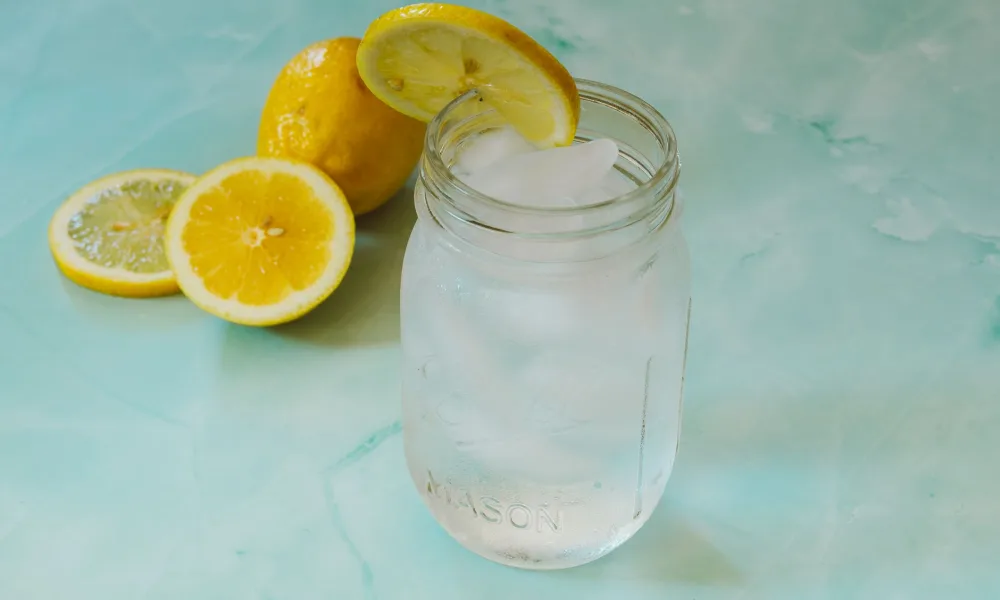
How clean is my ice, really?
Here is the rule I keep coming back to: your ice is exactly as clean as two things, the water you pour in and the surfaces that water touches on the way to freezing.
If your tap water is safe to drink, it is safe to freeze. If your machine is clean inside, that safety carries all the way to the glass. The mistake is assuming the freezing step sanitizes anything. It does not.
| Factor | Effect on ice safety | What you control |
|---|---|---|
| Source water | Sets the baseline; bad water in, bad ice out | Use filtered or clean tap |
| Tank cleanliness | Biggest real risk in home units | Rinse and dry weekly |
| Standing time | Longer idle water grows more film | Empty the tank when not in use |
| Bin humidity | Warm bins let ice melt and refreeze cloudy | Do not hoard ice in the bin |
Does the type of water I use matter?
It matters for taste and buildup more than for safety. Hard water leaves scale that traps grime and dulls the machine, and if you want the deeper version of that I wrote a whole piece on the best water for making ice at home.
Filtered water is my default for one reason: fewer minerals means less scale, and less scale means fewer hiding spots for film. You can check whether your area runs hard using the USGS water hardness science page, which maps it out clearly.
Distilled water is overkill for daily ice and can actually make some sensors misread water level, so I skip it unless a manual specifically calls for it.
Why does my ice sometimes smell or taste weird?
Odor is the earliest warning sign, and it usually means one of three things. The tank has gone too long between rinses. The ice sat in the bin absorbing fridge or room smells. Or the water source itself changed, like a fresh filter that needs flushing.
Ice is porous and grabs odors fast, which is also why old ice in the bin picks up a stale note even in a clean machine. If your ice is clumping and tasting off together, that is a storage issue as much as a cleanliness one, and I break it down in this look at ice storage mistakes that ruin the taste.
If the ice smells like anything at all, the machine is telling you it wants attention.
What simple habits keep it safe?
You do not need a full teardown every week. The daily and weekly habits do almost all of the work, and they take minutes.
- Empty the water tank whenever the machine will sit unused for more than a day.
- Wipe the tank and bin dry with a clean cloth, since dry surfaces do not grow film.
- Toss old ice instead of letting it melt and refreeze into a cloudy mass.
- Use filtered or clean tap water every time, not whatever is left in a jug.
- Run a fresh batch and discard it after the machine has been idle a while.
That last one surprises people. The first batch after a long idle stretch has been sitting in the tank the longest, so I dump it and let the machine make a clean round.
Leaving the lid or tank open a crack when the machine is off lets it air dry instead of staying damp. A dry machine barely grows anything, and this one habit has kept my Opal film-free for months at a stretch.
Is store or restaurant ice any different?
Commercial ice machines get inspected and cleaned on a schedule, but they are not magic. A neglected restaurant machine can be dirtier than a well kept home one, which is why the occasional news story about bar ice exists at all.
Home units have one advantage: they are yours, so you know exactly how they are treated. The cloudiness you sometimes see in machine ice is almost always trapped air and minerals, not contamination, and I explain why in this piece on clear versus cloudy ice. Cloudy does not mean unsafe.
If you are still deciding which machine or which ice style fits your kitchen, my overview of the different types of ice explained covers how nugget, cube, and crushed each behave once they are in a drink.
When should I actually worry?
There is a difference between off-tasting ice and ice you should not eat. I toss ice and deep clean the machine, not just rinse it, when I see any of these.
- Visible pink, gray, or black film that wipes off and comes back.
- Dark specks in the ice itself, not just cloudiness.
- A smell that lingers even after a fresh batch with clean water.
- Slime you can feel with a fingertip inside the tank.
None of that is an emergency for a healthy adult, but it is your cue that habits slipped. A common mistake I see is people scrubbing the outside of a machine that looks spotless while the tank they never open quietly grows a colony.
Where this leaves you
Machine ice from a home unit is safe to eat, full stop, as long as you treat the water tank as the thing that matters and the ice as an afterthought. Clean water in, a dry tank between uses, and a quick weekly rinse cover almost every real risk.
The gray film I found in my Opal that day was gone in ten minutes with warm water and a cloth, and it never came back once I started leaving the tank open to dry. That is the whole game. Keep the water moving, keep the machine dry when it rests, and the ice takes care of itself.
Frequently asked questions
It is very unlikely from a home machine used with clean water. The small amounts of household bacteria a lightly neglected tank produces rarely cause illness in a healthy adult. The bigger risk is off taste and odor, though anyone with a weakened immune system should keep the machine cleaner than average.
A quick rinse and dry once a week keeps most home units safe. If you use the machine daily and empty the tank when it sits idle, film barely forms. Plan a deeper clean every few weeks or whenever you notice any smell.
No, cloudy ice is almost always just trapped air and dissolved minerals frozen into the cube or nugget. It looks less polished than clear ice but is perfectly safe. Dark specks inside the ice are a different matter and mean the machine needs cleaning.
No, freezing only pauses bacteria rather than killing them. That is why the water you start with and the surfaces it touches decide how clean your ice is. If your tap water is safe to drink, it is safe to freeze.
Filtered water is a good default because fewer minerals mean less scale and fewer places for film to build. Clean tap water is fine too if your area has soft to moderate water. Distilled water is usually unnecessary and can confuse some water level sensors.
Ice is porous and absorbs odors quickly, both from the water and from the air around the bin. Old ice sitting in the bin picks up stale or fridge smells even in a clean machine. Tossing old ice and running a fresh batch usually fixes it.

About the Author
Madhu Malhotra
Madhu Malhotra reviews nugget ice makers, countertop units, and portable freezers with a focus on real world durability. Over more than ten years of testing home ice machines she has learned which build details actually hold up, how to keep water lines clean without harsh chemicals, and what the marketing brochures quietly leave out. Her write ups aim to save readers a return trip and a wasted weekend.
Related guides
Nugget vs Pebble vs Sonic Ice: Same Thing?
Nugget, pebble, and sonic ice are three names for the same soft chewable ice, and here is where each label came from.

How Ice Makers Actually Make Ice
The freeze and harvest cycle explained in plain language, plus why nugget machines shave and press flakes instead of freezing whole cubes.

Block Ice vs Cubed Ice for a Cooler
Block ice outlasts cubes because it melts slower, cubes chill faster and fill gaps, and the smart move is packing both.