
Ice Maker Error Codes and What They Mean
A plain-language guide to the blinking lights and status codes on Opal, Frigidaire, and Silonn machines, plus the first fix to try for each.

Key takeaways
- Most error codes are the machine pausing over a simple issue like low water or a blocked sensor, not a real fault.
- A 60 second unplug and power cycle clears a large share of blinking light problems.
- Add Water on a full tank usually means a stuck float or mineral scale, not an empty reservoir.
- Ice Full when the bin is empty is almost always a dirty or blocked sensor.
- Fast flashing that survives a power cycle is the signal that may point to a real repair.
The first time my GE Profile Opal flashed a code at me, I stood in the kitchen squinting at the little display like it owed me an explanation. It said something cryptic, the ice stopped coming, and the manual was long gone. I have since spent a lot of hours with these machines, and I can tell you most of the scary looking signals mean something simple.
Ice maker error codes are really just the machine’s shorthand for a problem it noticed and paused over. Sometimes it is out of water. Sometimes a sensor is confused. Sometimes it just wants a cleaning.
Below I have grouped the codes and blinking patterns by brand, because Opal, Frigidaire, and Silonn all speak slightly different languages. Find your machine, match the signal, and try the first fix before you assume the worst.
How to read a status light before you panic
Most countertop ice makers do not have a full text screen. They have two or three little icons: a water drop, an ice cube shape, and sometimes a snowflake or a cleaning symbol. The machine talks to you by lighting these up steady, blinking them slow, or flashing them fast.
A steady light usually means a normal status. Add Water glowing calmly means fill the tank. Ice Full glowing means the bin sensor thinks you have enough.
A blinking light almost always means the machine has stopped and wants something from you. Fast flashing, or several lights blinking together, tends to point at a sensor or a fault the unit cannot clear on its own.
Before you look up any code, unplug the machine for 60 seconds and plug it back in. A surprising share of “errors” are just a confused controller, and a power cycle clears them the same way restarting a phone clears a frozen app.
GE Profile Opal codes and blinking lights
The Opal is the nugget machine most people own, and it leans on its app and a ring of lights around the dispense button. It does not throw many lettered codes, but the light patterns carry real meaning.
| What you see | What it means | First fix |
|---|---|---|
| Add Water light on | Reservoir low or the pump lost prime | Fill to the line, then check the pump is seated |
| Add Water on with a full tank | Float stuck or water sensor fooled | See the note below on a full tank that still asks for water |
| Cleaning light blinking | Cleaning cycle due or interrupted | Run a full clean cycle with the recommended solution |
| All lights flashing fast | Controller fault or app sync issue | Power cycle, then reconnect in the app |
| Ice light steady, no ice | Bin thermistor thinks it is full | Empty the bin fully and wipe the sensor |
The most common Opal head scratcher is the Add Water light glowing while the tank is clearly full. Nine times out of ten it is the float sensor sticking or a bit of scale on the water inlet. I wrote a full walkthrough on the Add Water light staying on with a full reservoir because it trips up so many owners.
If the Opal is powered, connected, and still stubbornly quiet, the deeper causes tend to be scale or a low refrigerant charge. My guide to a GE Opal that stops making nugget ice covers the ones worth checking at home.
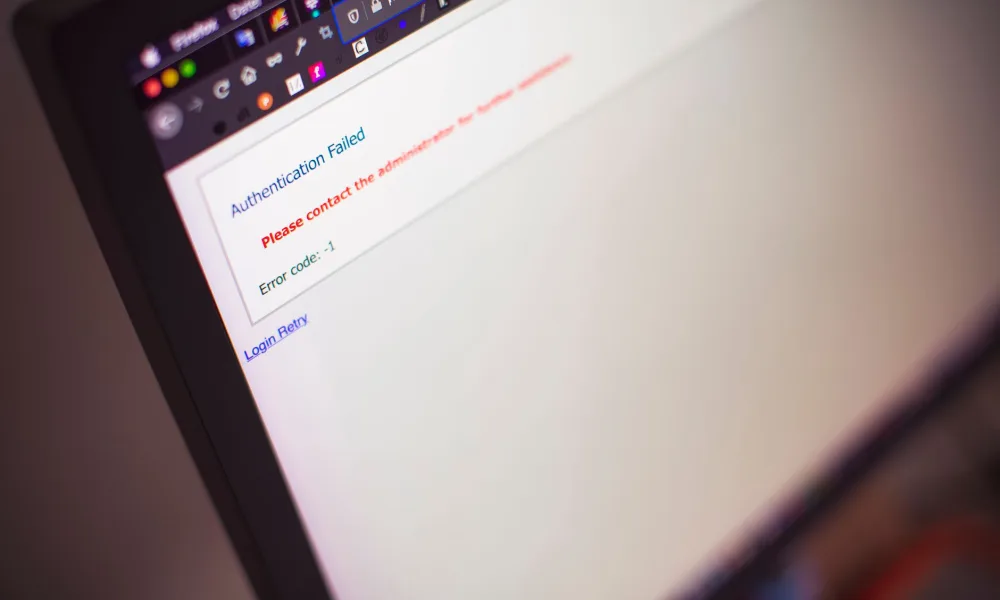
Frigidaire EFIC codes and flash patterns
Frigidaire’s portable line, like the popular EFIC237 and EFIC189, uses a small panel with Add Water and Ice Full indicators. These do not use letter codes either, but the blink language is consistent across the range.
| Signal | Meaning | First fix |
|---|---|---|
| Add Water blinking | Water below the minimum line | Refill the roughly 65 ounce tank |
| Ice Full blinking | Bin arm or optical sensor blocked | Redistribute ice, clear the sensor window |
| Both lights blinking together | Machine paused on a sensor conflict | Empty water and ice, restart cold |
| Power light only, no cycle | Ambient too warm or compressor protecting itself | Wait 3 minutes, keep the room under 90F |
The Frigidaire trap I see most is the Ice Full light blinking when the bin is nearly empty. The unit uses a light beam to judge fullness, and a single cube parked in front of it reads as a mountain. Shift the ice or wipe the little window and it usually clears in seconds.
If both lights blink and nothing you do resets it, treat it like a stuck cycle rather than a dead machine. A clean restart with fresh water fixes far more of these than people expect.
Silonn and other budget unit signals
Silonn, Euhomy, Newair, and Igloo portables share a lot of internal parts, so their signals overlap. Most use an Add Water indicator and an Ice Full indicator, and a few of the newer Silonn models add a small digital timer.
- Add Water flashing means the tank dropped below the fill line, usually around 1 to 2 liters depending on model.
- Ice Full flashing means the basket is full or the sensor is blocked by a stray cube.
- A rapid alternating flash on both often means the water pump is running dry or the drain plug is loose.
- No lights at all points at power, not the ice system. Check the outlet and cord first.
These budget machines pull around 100 to 120 watts and make roughly 26 pounds a day in good conditions. When they stop, the culprit is almost always water flow or ambient heat rather than a real electronic fault. If yours is a portable and refuses to cooperate, my portable ice maker fix checklist runs through the causes in order.
A blinking light is the machine asking a question, not delivering a diagnosis. Answer the simple question first.
Add Water and Ice Full: the two codes everyone gets
Across every brand, these two signals cause the most confusion, so they deserve their own section. Add Water is straightforward when the tank is empty and maddening when it is full.
A full tank with an Add Water light usually comes down to one of three things: a stuck float, mineral scale on the pump inlet, or air trapped in the line. Descaling with a diluted solution clears the scale, and gently tapping the reservoir often frees a stuck float. Hard water speeds all of this up, and the USGS explainer on water hardness is a quick way to see whether your area is part of the problem.
Ice Full when the bin is empty is nearly always a sensor issue. On optical models, wipe the little window. On paddle models, make sure the arm swings freely. Either way, a clean sensor solves it.
When a code means clean me, not fix me
A cleaning light or a machine that quietly slows down is often just crying out for maintenance. Scale builds on the water path, the sensors get coated, and the whole system starts misreading itself.
I run a descale and sanitize on my daily driver every two to three weeks, and it heads off most of these codes before they appear. Use the brand solution or a food safe descaler; the CDC guidance on food contact surfaces is a sensible reference for what belongs near something you eat.
Never use straight vinegar at full strength or bleach inside a nugget machine. It can damage seals and leave a taste that lingers for weeks. Dilute per the label, always.
If cleaning does not quiet the code, the next step is a proper reset, which clears the controller’s memory of the fault. I laid out the exact button sequences in my guide on how and when to reset an ice maker.
Codes that point at a real repair
Some signals are the machine telling you it needs help beyond a refill. Fast flashing that survives a power cycle, a compressor that clicks and never runs, or a unit that makes water but never freezes it usually falls here.
Water going in but never turning to ice points at the sealed cooling system or a failed sensor, and that is worth its own look before you spend money. When the machine will not make ice at all despite full water and power, work through the causes in my pillar on an ice maker that stops making ice, which sorts the DIY fixes from the ones that need a technician.
Repair estimates vary, but a compressor or sealed system job on a countertop unit often runs 150 to 250 dollars, which is close to the price of a new machine. Knowing which code you are staring at tells you whether to grab a screwdriver or your wallet.
Where this leaves you
Most ice maker error codes are the machine being cautious, not broken. An Add Water light wants water or a nudge to a stuck float. An Ice Full light wants a clear sensor. A cleaning light wants a descale, and a fast flash that survives a power cycle is the one worth taking seriously.
Match your signal to the right brand table above, try the first fix, and give the unit a full power cycle before you conclude anything. In my experience, four out of five of these codes clear at the kitchen counter with nothing but a rag, fresh water, and a little patience.
Frequently asked questions
This usually means the float sensor is stuck or mineral scale has built up on the water inlet. Gently tap the reservoir to free the float and run a descale cycle to clear scale. Trapped air in the pump line can also cause it, which a full drain and refill often fixes.
All lights flashing fast on a GE Profile Opal typically points to a controller fault or an app sync problem. Unplug the machine for about a minute, plug it back in, and let it restart. If it persists, remove it from the app and reconnect it fresh.
Frigidaire, Silonn, and similar units judge fullness with a light beam or a paddle arm, and a single stray cube can block the sensor. Redistribute the ice and wipe the sensor window or free the arm. The light usually clears within a few seconds once the sensor sees clearly.
Most countertop and portable units do not use lettered codes. Instead they rely on blinking icons for Add Water, Ice Full, and cleaning. Only some higher end or newer Silonn models add a small digital display, so pattern reading matters more than code lookup on these machines.
A reset clears the controller's memory of the current fault, so a code caused by a temporary glitch will usually go away. If the underlying problem is still there, such as an empty tank or a bad sensor, the code will simply return. Fix the cause first, then reset.
If a fast flashing code survives a full power cycle, the compressor clicks but never runs, or water goes in and never freezes, you are likely past a DIY fix. Sealed system repairs on countertop units often cost 150 to 250 dollars. At that point, weigh the repair against replacing the machine.

About the Author
Madhu Malhotra
Madhu Malhotra reviews nugget ice makers, countertop units, and portable freezers with a focus on real world durability. Over more than ten years of testing home ice machines she has learned which build details actually hold up, how to keep water lines clean without harsh chemicals, and what the marketing brochures quietly leave out. Her write ups aim to save readers a return trip and a wasted weekend.
Related guides
Add Water Light On With a Full Tank: Fix It
A stuck float, an air-locked pump, or a mineral-coated sensor can keep the light glowing even when the reservoir is brimming.

Ice Tastes Bad: Find the Source and Fix It
Trace off-tasting ice to the water, a stale tank, a spent filter, or absorbed odors, then clear the flavor without buying a new machine.
Ice Melting Too Fast in the Bin: Why It Happens
Melting in a countertop bin is usually normal insulation limits, not a fault, and here is how to slow it down.