Opal 1.0 vs Opal 2.0 Nugget Ice Maker
Same nugget ice, different machine: the 2.0 adds a side tank and real WiFi while the 1.0 stays cheaper and simpler.

Try "clean nugget ice maker", "Opal", or "not making ice". Press Escape to close.
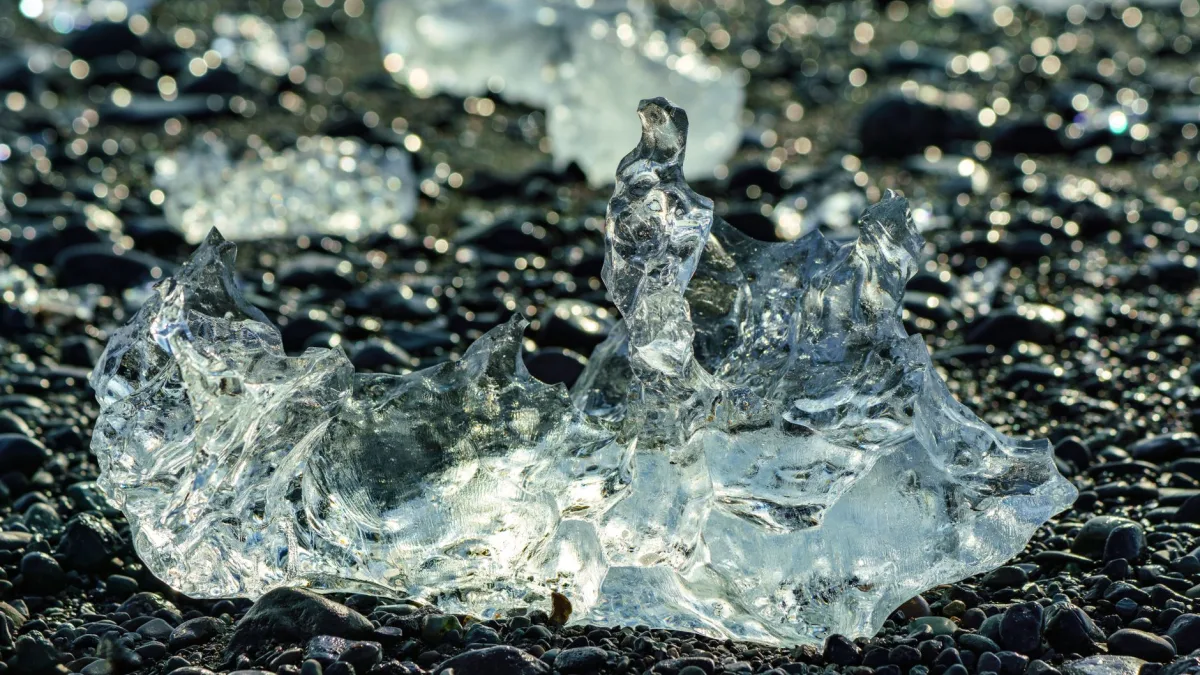
Nugget ice is the soft, chewable ice that fans line up for at drive-throughs and hospitals. It is made of tiny compacted flakes that soak up your drink and crunch without hurting your teeth. This category is the heart of Frost Nugget. Here you will find hands-on guides to countertop nugget machines like the GE Profile Opal, plus newer challengers from GE, Frigidaire, and a growing list of budget brands. We cover how nugget ice is made, how long a batch takes, how much these machines cost to run, and which models hold up after a year of daily use. If you are deciding whether a nugget maker belongs on your counter, start here.
Same nugget ice, different machine: the 2.0 adds a side tank and real WiFi while the 1.0 stays cheaper and simpler.
The Opal put nugget ice on home counters. Here is how the line works, why it caught on, and how its generations differ.
Nugget makers sip water because melted ice drips back into the tank, so a full day of chewy ice rarely costs more than a couple of refills.
Some countertop nugget machines can tuck under a counter, but only with the right airflow. Here is how to do it without cooking the compressor.
A nugget machine sips power like a lightbulb, not a fridge. Here is the real kilowatt-hour math and a dollar figure you can trust.
Most nugget makers advertise 24 to 38 pounds a day, but the number you actually keep on hand is smaller. Here is why, and what to expect.
Your first pebbles land in about 15 to 20 minutes, then the machine keeps topping up the bin all on its own.
The freezing and auger process that turns tap water into soft pebbles you can actually chew.